A Deep Dive into Japanese Sake: Types, Pairings, and Tips

Learn about the different types of Japanese sake, how to pair them with meals, and tips for selecting the perfect bottle for any occasion.
Introduction to Japanese Sake
Japanese sake, often referred to as rice wine, is a cherished beverage deeply rooted in Japan's culture and cuisine. It is made through a unique fermentation process that transforms rice into a delightful drink, offering a range of flavors and aromas. Understanding sake can elevate your dining experiences, whether you are hosting an intimate dinner or celebrating a special occasion.
Types of Japanese Sake
There are several types of sake, each distinguished by its ingredients, brewing methods, and flavor profiles. Here are some of the most common types:
- Junmai: Pure rice sake with a rich flavor, made without added alcohol or sugars.
- Ginjo: A premium sake with a fruity and floral aroma, brewed with rice that has been polished to 60% or less.
- Daiginjo: An even higher grade, this sake uses rice polished to 50% or less and boasts complex flavors.
- Honjozo: This sake has a small amount of distilled alcohol added, enhancing its aroma and flavors.
- Namazake: Unpasteurized sake, preserving the fresh taste of the rice.
- Nigori: Cloudy sake that is coarsely filtered, imparting a sweeter flavor and creamy texture.
Pairing Sake with Food
Much like wine, sake can enhance culinary experiences when paired with the right dishes. Consider these pairing suggestions to elevate your meal:
- Junmai: Often pairs well with hearty dishes such as grilled meats, rich sauces, and sushi.
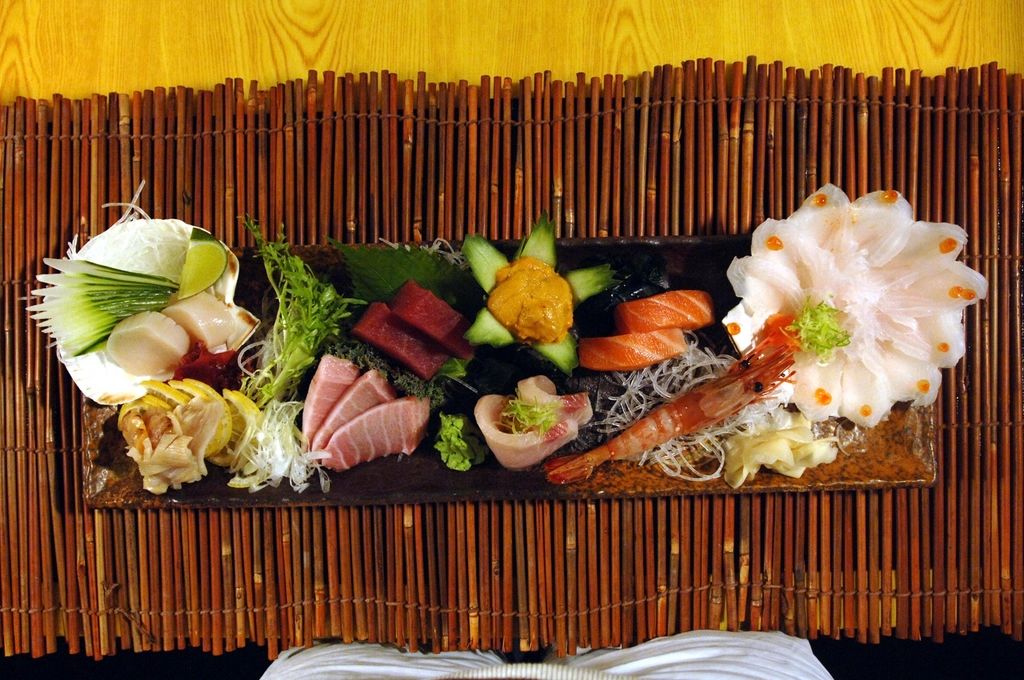
- Ginjo: Works nicely with lighter foods like sashimi, chicken, and vegetable dishes.
- Daiginjo: Best enjoyed with delicate dishes, including sushi and seafood, to highlight its refined flavors.
- Ramazake: Great with fried foods and savory dishes due to its robust profile.
- Nigori: The creaminess complements desserts or can be sipped with various Asian cuisine.
Tips for Selecting and Enjoying Sake
Selecting the right sake can be daunting with so many options available. Here are key tips to help you choose:
- Understand the Types: Familiarize yourself with the different sake types and their flavor profiles.
- Read Labels: Pay attention to the brewing date and rice polishing ratio (the lower the percentage, the higher the quality).
- Serve at the Right Temperature: Sake can be enjoyed chilled, at room temperature, or warmed, depending on the type. Experiment to find your preference.
- Use Proper Glassware: While traditional sake is served in small ceramic cups, a wine glass can enhance the aromas.
- Balance with Food: Choose a sake that complements the flavors of your meal for a more rewarding experience.
Conclusion
Japanese sake is an art form in itself, offering an extensive array of flavors and styles that cater to every palate. By understanding the various types, knowing how to pair them with food, and following simple tips, you can enhance your appreciation for this remarkable beverage. So whether you're savoring sushi or indulging in a home-cooked meal, let sake enrich your Japanese dining experience.