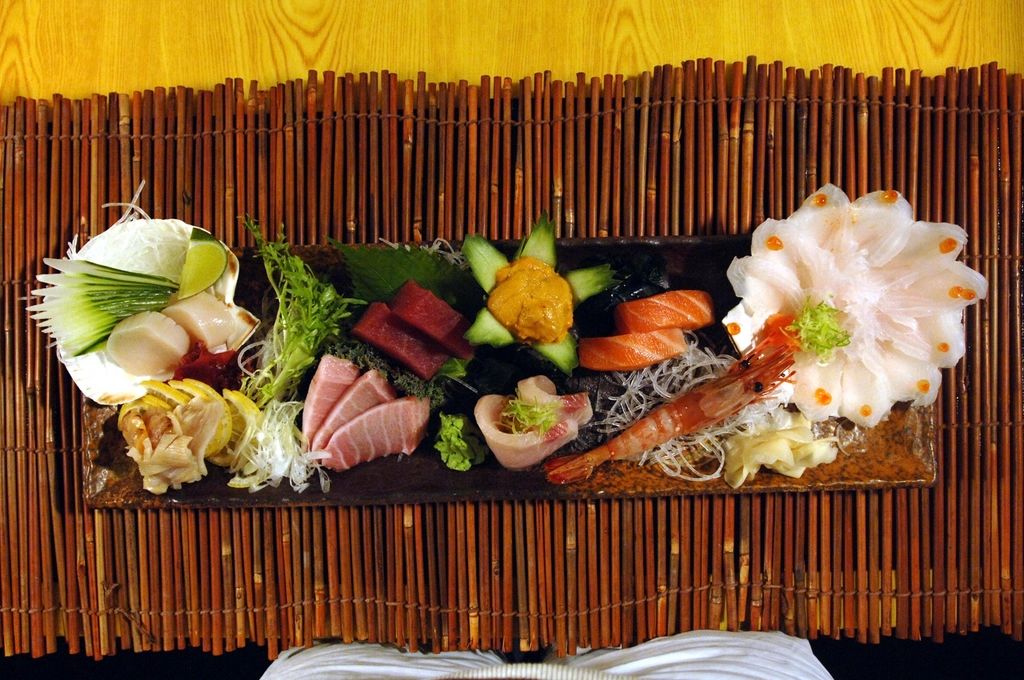
Crafting a Japanese Breakfast: Traditional Recipes and Tips
Discover the beauty of a traditional Japanese breakfast with simple recipes and tips for a delightful start to your day.
Introduction to Japanese Breakfast
A traditional Japanese breakfast is a feast for the senses, showcasing a harmonious balance of flavors, textures, and colors. Unlike the western style, which often includes heavier options, a Japanese breakfast focuses on light, nutritious dishes that energize your day.
The Components of a Traditional Japanese Breakfast
A typical Japanese breakfast consists of several small dishes, each offering different flavors. Here are the essential components:
- Steamed Rice: The foundation of the meal, usually served plain or with a sprinkle of sesame seeds.
- Miso Soup: A warm broth made from miso paste, often containing tofu and seaweed for added nutrition.
- Grilled Fish: Commonly salmon or mackerel, lightly seasoned and grilled to perfection.
- Pickled Vegetables: Known as tsukemono, these provide a crunchy, tangy side that complements the meal.
- Tamago (Japanese Omelette): A sweet and savory rolled omelette that adds a touch of sweetness to your breakfast.
Recipes for a Perfect Japanese Breakfast
Here are some simple recipes to help you create a delightful Japanese breakfast at home.
1. Miso Soup
Ingredients:
- 4 cups dashi (Japanese soup stock)
- 3 tablespoons miso paste
- 100g tofu, cubed
- 1 sheet of nori, cut into strips
- Chopped green onions for garnish
Instructions:
- Bring the dashi to a simmer over medium heat.
- Dissolve the miso paste in a small bowl with a ladle of hot dashi, then stir it back into the pot.
- Add tofu and nori strips; simmer for another 2 minutes.
- Garnish with green onions before serving.
2. Grilled Fish
Ingredients:
- 1 piece of salmon or mackerel fillet
- Salt
- Lemon slices (optional)
Instructions:
- Sprinkle the fish with salt and let it sit for about 20 minutes.
- Preheat your grill or a pan over medium-high heat.
- Grill the fish for 3-4 minutes on each side until cooked through.
- Serve with lemon slices if desired.
3. Tamago (Japanese Omelette)
Ingredients:
- 4 eggs
- 2 tablespoons sugar
- 1 tablespoon soy sauce
- 1 tablespoon mirin (sweet rice wine)
- Vegetable oil for cooking
Instructions:
- Beat the eggs with sugar, soy sauce, and mirin.
- Heat a non-stick pan with a little oil over low heat.
- Pour a thin layer of egg mixture and cook until just set, then roll it to one side.
- Add more egg mixture to the pan, lifting the rolled omelette to let the raw egg flow underneath.
- Repeat until all the egg is cooked, then shape the roll and slice.
Setting the Table for a Japanese Breakfast
Presentation is key in Japanese cuisine. Serve your breakfast on traditional Japanese dishes to enhance the experience. Use small bowls and plates to showcase each component, garnishing where appropriate. Green tea is often served to accompany the meal, offering a refreshing contrast to the food.
Tips for a Successful Japanese Breakfast
- Prepare ingredients the night before to save time in the morning.
- Choose high-quality rice and dashi for the best flavor.
- Experiment with different types of fish and seasonal vegetables.
- Incorporate garnishes like cherry blossoms or shiso leaves for a visually appealing touch.
Conclusion
Crafting a traditional Japanese breakfast at home is a wonderful way to start your day with healthy and flavorful dishes. Use these recipes and tips to bring the essence of Japan to your breakfast table, embracing the art of simplicity and balance in every bite.