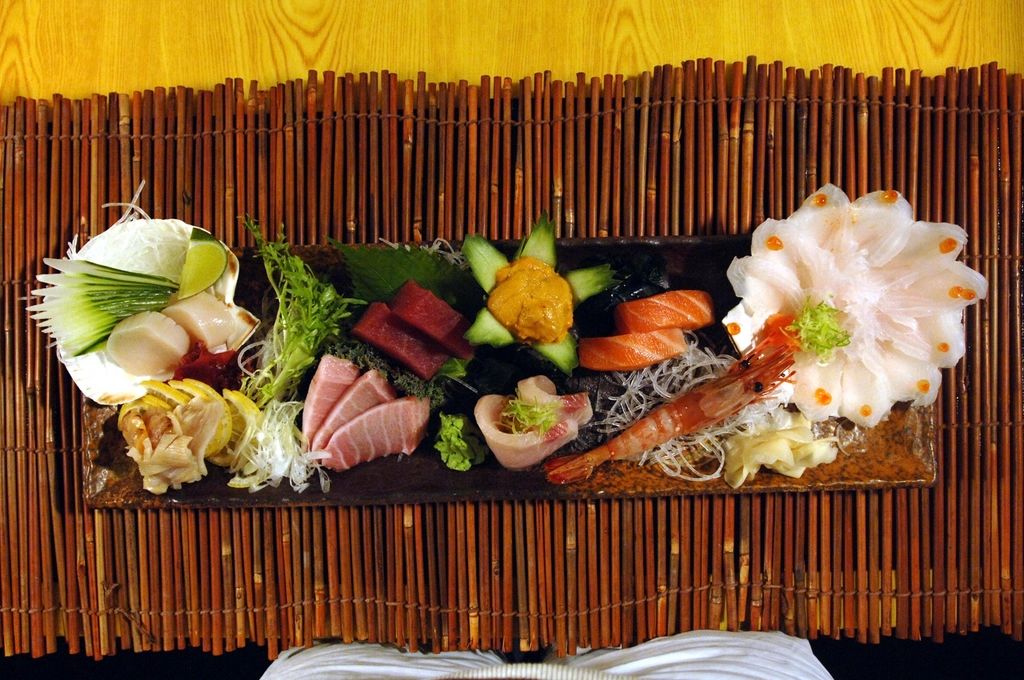
Decoding Omakase: Understanding the Chef’s Seasonal Selections
Discover how seasonal ingredients shape the omakase experience, enhancing flavors and freshness.
When it comes to omakase, one of the most exciting aspects is the chef's selection of seasonal ingredients. Each season brings distinct flavors and textures that enhance the dining experience. In this article, we'll explore how to decode the seasonal selections made by omakase chefs, ensuring that you appreciate every bite.
The Essence of Omakase
The term 'omakase' means 'to entrust' in Japanese, and it embodies the spirit of trust between the diner and the chef. In an omakase experience, diners place their faith in the chef's expertise, allowing them to create a personalized meal using the freshest and finest seasonal ingredients.
Understanding Seasonal Ingredients
Seasonality in Japanese cuisine is vital, reflecting the changing landscapes and harvests. Chefs often tailor their menus based on what is best in each season. Here’s a breakdown of how different seasons influence omakase offerings:
- Spring: Look for delicate flavors such as sakura (cherry blossom) and bamboo shoots. Fish like sea bream and young sardines are also popular.
- Summer: The highlight includes lighter dishes, often featuring seafood like mackerel and squid, along with refreshing salads and vegetable dishes.
- Autumn: This season introduces rich flavors with ingredients like matsutake mushrooms and chestnuts. Fish choices such as bonito and salmon come into play.
- Winter: Comforting flavors dominate, with dishes featuring fatty fish like tuna and unagi (eel), alongside hearty broths and warm rice.
How to Appreciate Seasonal Selections
To fully savor the seasonal selections in your omakase experience, consider the following tips:
- Ask Questions: Don’t hesitate to inquire about the ingredients and why they were chosen. This shows respect for the chef’s craft and enhances your understanding.
- Savor Each Bite: Take your time to appreciate the textures and flavors. Each piece is crafted to highlight specific ingredients, so treat them with care.
- Pair Wisely: Although you may be served beverages, consider how they complement the seasonal ingredients. Whether it's sake or green tea, a good pairing can elevate flavors.
Connecting with Nature Through Omakase
Omakase is more than just a meal; it is an experience that connects you with nature. By choosing seasonal ingredients, chefs pay homage to the cycles of nature and the artistry of Japanese cuisine. Embracing this philosophy can deepen your appreciation for each dish served.
Final Thoughts
Next time you indulge in an omakase meal, remember the significance of seasonal selections. Acknowledge the chef's artistry in choosing ingredients that not only taste exceptional but also reflect the season’s bounty. By doing so, you can truly enjoy the delicious journey of flavors that omakase offers.