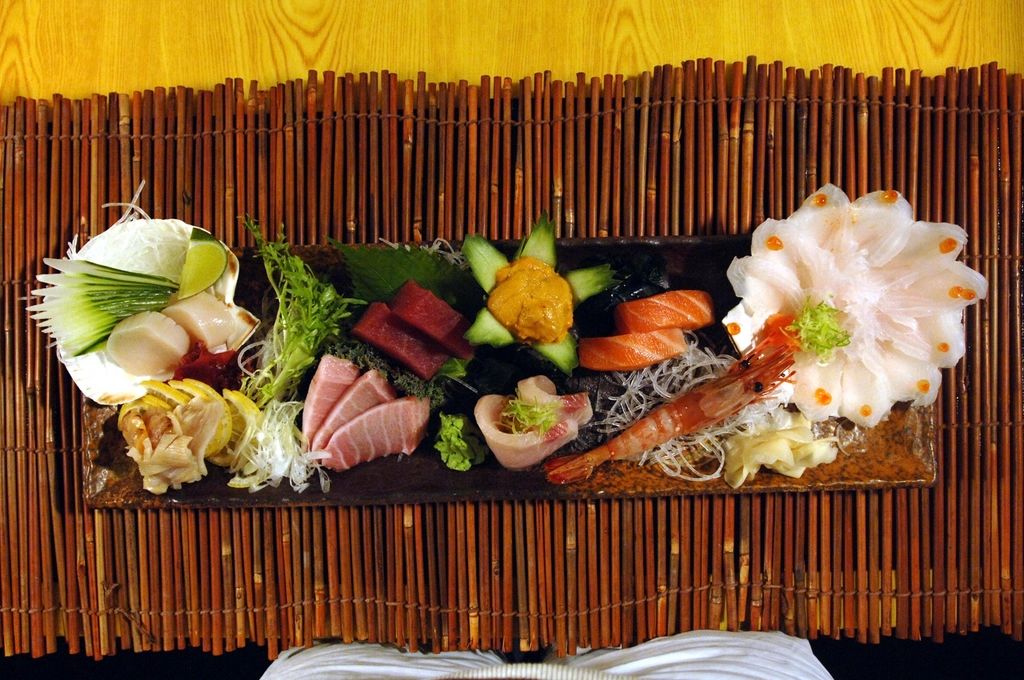
Elevate Your Japanese Dining with Seasonal Ingredients
Discover how to enhance your Japanese meals using seasonal ingredients for authentic flavors.
Japanese cuisine is renowned for its emphasis on seasonal ingredients, known as shun. By incorporating fresh, seasonal produce, fish, and more into your meals, you not only enhance the flavors but also embrace the rich traditions of Japanese dining. This guide will explore how to select and use seasonal ingredients to create delightful Japanese dishes year-round.
Understanding the Concept of Shun
Shun refers to the peak season for certain ingredients, when they are at their most flavorful and nutritious. In Japanese cooking, using ingredients that are at their shun is key to creating dishes that respect nature’s offerings and seasonality.
Spring Ingredients to Enjoy
- Asparagus: Crisp and sweet, perfect for dishes like tempura or as a sushi roll filler.
- Sansai (Mountain Vegetables): Wild edible plants such as fiddlehead ferns which can be pickled or sautéed.
- Strawberries: Used in desserts or as a fresh garnish for a light, refreshing touch.
Summer Ingredients to Enjoy
- Tomatoes: Ideal for refreshing salads or chilled tomato soups.
- Ayu (Sweetfish): Often grilled and served with a splash of salt and lemon, capturing the essence of summer.
- Watermelon: Used in salads or as an ingredient in traditional desserts.
Autumn Ingredients to Enjoy
- Chestnuts: Frequently found in steamed rice or desserts, offering a nutty flavor.
- Mushrooms: Varieties like shiitake or enoki enhance umami flavors in soups and stir-fries.
- Pears: Perfect for salads or as a refreshing dessert, paired with matcha.
Winter Ingredients to Enjoy
- Daikon Radish: A versatile ingredient used in soups, salads, or as a side.
- Root Vegetables: Carrots, lotus roots, and sweet potatoes are hearty additions to stews.
- Winter Citrus: Yuzu and sudachi add brightness to sauces and garnishes.
How to Incorporate Seasonal Ingredients into Your Cooking
When preparing Japanese dishes, consider the following tips to incorporate seasonal ingredients:
- Plan Your Menus: Use seasonal ingredients as the basis for your meal planning.
- Visit Local Markets: Explore farmers' markets or grocery stores that specialize in Japanese ingredients.
- Experiment with Recipes: Look for traditional and modern recipes that highlight these seasonal flavors.
Conclusion
Embracing seasonal ingredients in your Japanese dining not only elevates your dishes but also connects you to the rhythms of nature. By observing and adapting to seasonal changes, you can create authentic and delightful meals year-round, celebrating the beauty of Japanese cuisine.