How to Host a Traditional Japanese Omakase Dinner at Home

Elevate your dining experience by hosting a traditional omakase dinner with these easy-to-follow steps.
Introduction to Omakase
Omakase, which means "I leave it up to you" in Japanese, is a unique dining experience that showcases the chef's skills and creativity. Traditionally served in sushi restaurants, this style allows the chef to curate a meal that highlights the freshest ingredients.
Essential Elements for Your Omakase Dinner
When planning your omakase dinner at home, there are several key elements to consider:
- Fresh Ingredients: Quality is paramount. Source the freshest seafood, seasonal vegetables, and unique condiments.
- Appropriate Dinnerware: Use traditional Japanese tableware to enhance the presentation.
- Tasting Menu Structure: Plan a multi-course menu to provide a variety of flavors and textures.
Setting the Scene
Create an inviting atmosphere that reflects Japanese aesthetics:
- Lighting: Soft, ambient lighting is key. Consider using candles or lanterns.
- Table Arrangement: Keep the table simple and uncluttered.
- Decoration: Use natural elements like flowers or bamboo to enhance the theme.
Planning Your Omakase Menu
Your menu can be a fun exploration of flavors. Here’s a sample structure:
- Appetizer: Start with an amuse-bouche or a small salad with sesame dressing.
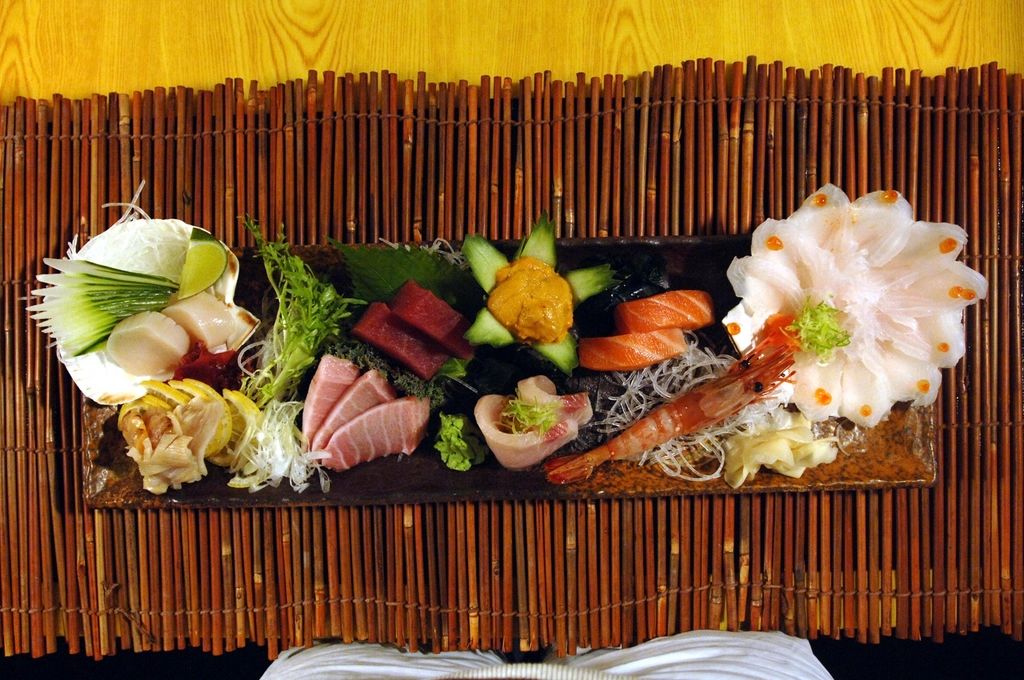
- Sashimi: Present a selection of fresh sashimi, such as tuna, salmon, and mackerel.
- Sushi: Hand-formed sushi pieces like nigiri with varying toppings.
- Vegetable Dishes: Offer seasonal vegetable dishes like nimono (simmered vegetables).
- Ramen or Noodle Dish: Feature a small bowl of ramen or soba to conclude the meal.
- Dessert: Plate a Japanese dessert like mochi or matcha-flavored treats.
Serving Tips
Food presentation is an art in Japanese cuisine. Here are some serving tips:
- Coursing: Serve each dish separately, allowing guests to enjoy one course at a time.
- Garnishing: Use edible flowers or finely sliced vegetables for visual appeal.
- Offer Pairings: Consider serving sake or matcha with different courses to enhance flavors.
Final Thoughts
Hosting an omakase dinner at home is an exciting way to experience authentic Japanese dining. By paying attention to details—from ingredient selection to decor—you can create a memorable and enjoyable experience for your guests. Remember, the goal is to provide a mix of taste and artistry that truly reflects the essence of omakase.