The Art of Omakase: A Guide to Sushi Types and Styles
Discover the various types and styles of sushi featured in omakase dining, elevating your culinary journey.
Introduction to Omakase Sushi
Omakase, translating to "I leave it up to you," invites diners to an exquisite culinary journey curated by skilled chefs. Among the treasures of omakase, sushi shines brightly, offering a diverse array of styles and flavors. In this guide, we’ll explore the various types of sushi typically featured in omakase dining and how they contribute to the overall experience.
Understanding Different Types of Sushi
Sushi encompasses a broad spectrum of styles and preparations, each with unique characteristics. Here are some of the most popular types you might encounter in an omakase setting:
- Nigiri: Hand-formed rice topped with slices of raw fish or seafood. Nigiri showcases the skill of the chef, combining texture and flavor through the careful selection of ingredients.
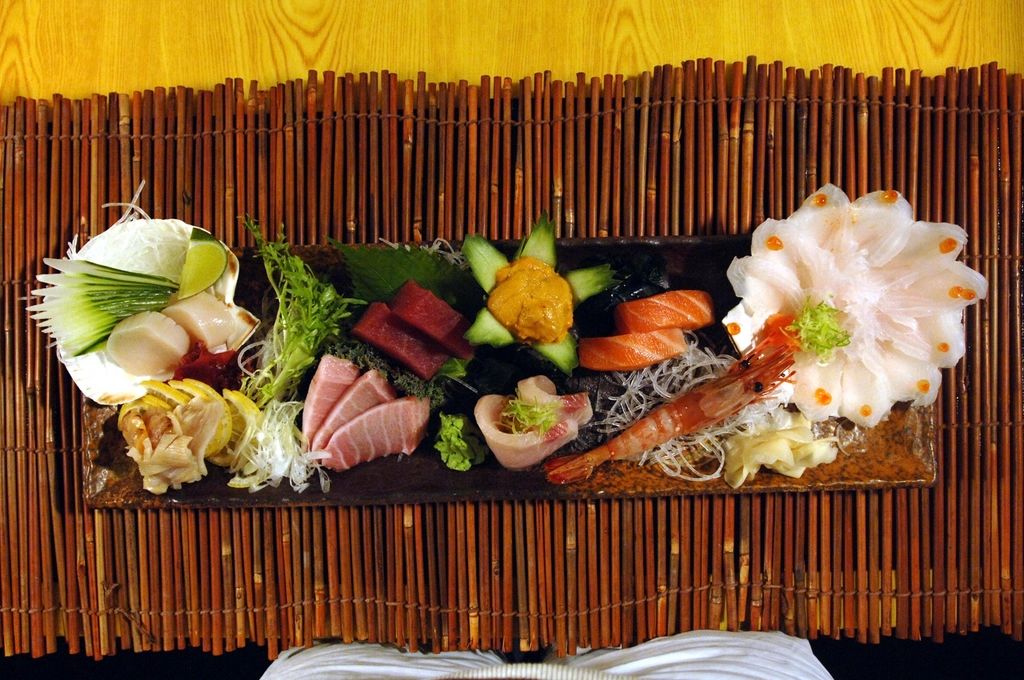
- Sashimi: Thin slices of fish or seafood served without rice. Sashimi emphasizes the freshness and quality of the ingredients, often paired with soy sauce or wasabi.
- Maki: Rolled sushi, typically wrapped in nori with rice and a filling. Maki can range from simple rolls with a single ingredient to more elaborate combinations.
- Temaki: Also known as hand rolls, temaki are conical-shaped sushi rolls filled with rice, seafood, and vegetables, held together by seaweed. They offer an interactive dining experience.
- Gunkan: These are oval-shaped rice bases wrapped in nori, topped with seafood mixtures like roe or chopped fish. Gunkan provides a delightful burst of flavor in each bite.
What to Expect in an Omakase Sushi Experience
During an omakase meal, the chef selects dishes for you, ranging from traditional favorites to innovative creations. Here’s what you can typically expect:
- Freshness and Quality: Each component is chosen based on freshness, often sourced from local or seasonal ingredients, making each experience unique.
- Presentation: Expect beautiful plating that reflects Japanese aesthetics, focusing on harmony and balance.
- Seasonal Ingredients: A good omakase meal will highlight ingredients in their prime season, ensuring the best flavors.
- Chef Interaction: Many omakase settings allow guests to interact with the chef, learning about each dish's origin and preparation techniques.
Exploring Pairings for Omakase Sushi
Enhancing your omakase experience can also be achieved through thoughtful pairings:
- Sake: Different sake varieties can complement the umami and freshness of sushi. A dry sake often pairs well with white fish, while a richer sake may match heavier seafood.
- Matcha: A ceremonial grade matcha can refresh the palate between sushi types, balancing flavors effectively.
- Tea: Green teas such as Sencha or Genmaicha can provide a mild base that doesn’t overpower the flavors of your meal.
Tips for Enjoying Omakase Sushi
To fully appreciate your omakase sushi experience, keep these tips in mind:
- Take Your Time: Savor each piece, taking a moment to appreciate the flavors, textures, and craftsmanship involved.
- Try Everything: Be open to trying all the selections presented, even those you might not usually choose.
- Embrace the Experience: Allow the chef's expertise to guide you through the meal, enjoying the unpredictability and excitement of each dish.
"Omakase is not just about food; it’s about the experience, the journey, and the connection with the chef."
Conclusion
Omakase sushi offers a unique and rich dining experience that highlights the artistry of Japanese cuisine. By understanding the different types of sushi and the elements that elevate an omakase meal, you're well-equipped to embark on this culinary adventure. So, the next time you find yourself at an omakase restaurant, you’ll be ready to enjoy every delightful morsel!