The Ultimate Guide to Japanese Sashimi: Types and Techniques
Discover the different types of sashimi and how to serve them perfectly. Explore tips and techniques for a delicious sashimi experience.
Sashimi, a cornerstone of Japanese cuisine, is more than just raw fish; it’s an art that celebrates freshness, flavor, and presentation. If you’re looking to enhance your dining experience at home or impress your guests, understanding the varieties of sashimi and how to serve them is essential.
What is Sashimi?
Sashimi refers to thinly sliced raw fish or seafood served without rice. It’s a popular dish in Japan and around the world, enjoyed for its fresh taste and delicate texture. Unlike sushi, which combines rice and fish, sashimi focuses solely on the quality of the fish itself.
Types of Sashimi
Here are some of the most popular types of sashimi to explore:
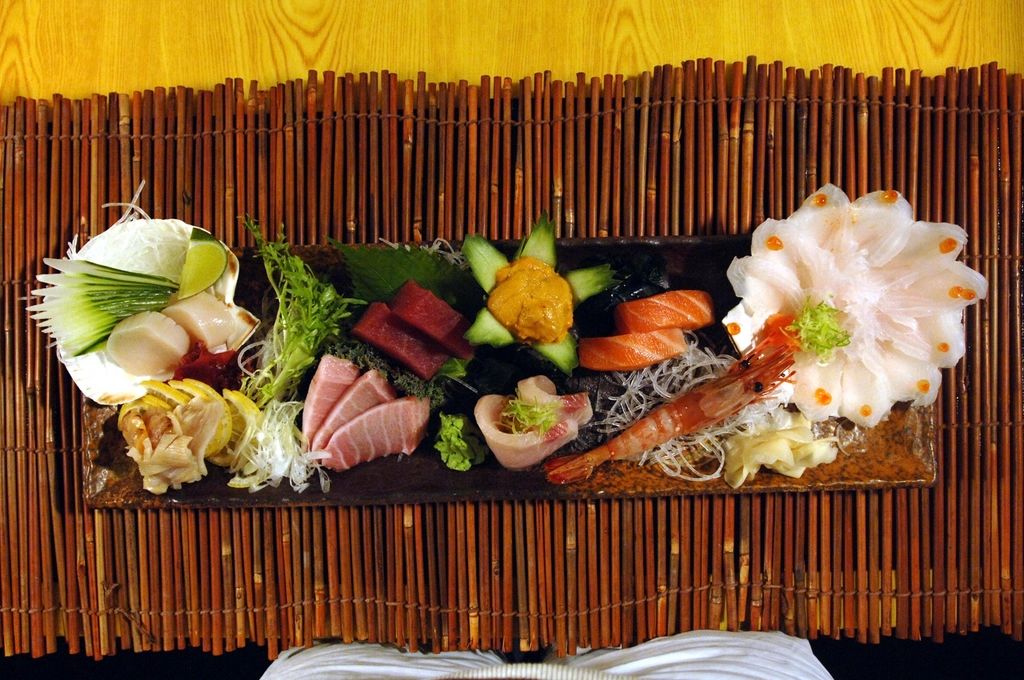
- Maguro (Tuna): Rich in flavor, maguro is a staple at sushi bars, with various cuts ranging from fatty otoro to lean akami.
- Sake (Salmon): Known for its bright orange color, sake is loved for its buttery texture and mild flavor.
- Hamachi (Yellowtail): This fish has a rich taste with a slightly oily texture, making it a favorite among sashimi lovers.
- Ikura (Salmon Roe): These vibrant orange eggs pop with briny flavor and add a luxurious touch to any platter.
- Torikawa (Chicken Skin): A less common choice, when properly prepared, chicken skin is tender and flavorful, showcasing the versatility of sashimi.
Choosing Fresh Fish for Sashimi
To enjoy sashimi at its best, the freshness of the fish is paramount. Here are some tips for choosing the right fish:
- Look for Bright Colors: Fresh fish should have vivid colors, free of dullness or discoloration.
- Check the Smell: Fresh fish should smell like the ocean, not fishy or sour.
- Consider Texture: The flesh should be firm and bounce back slightly when pressed.
- Know Your Source: Buy from reputable fish markets or suppliers known for their fresh selections.
Servicing and Presentation Tips
How you present sashimi can enhance the dining experience. Consider these presentation tips:
- Use a Chilled Plate: Serving sashimi on a chilled plate helps maintain its freshness.
- Add Garnishes: Use daikon radish, shiso leaves, or wasabi to elevate aesthetics and add complementary flavors.
- Serve with Dipping Sauces: Soy sauce is classic, but you can also offer ponzu or sesame oil for added depth.
- Mix Colors and Textures: Arrange a variety of fish on the plate for an appealing visual contrast.
Eating Sashimi
Sashimi is traditionally eaten with chopsticks. Here’s a simple etiquette guide:
- Take a piece of sashimi with chopsticks.
- Lightly dip it into soy sauce (don’t soak it).
- Enjoy the simplicity; sashimi is meant to be savored!
Whether you’re enjoying sashimi at a restaurant or preparing it at home, this elegant dish deserves appreciation and understanding. With a bit of knowledge about its varieties and how to serve it, you can create an exceptional sashimi experience that honors this traditional Japanese delicacy.