Understanding Japanese Sake: Types, Pairings, and Tasting Tips
Dive into the world of Japanese sake with our guide on types, perfect pairings, and tasting tips for an authentic experience.
Sake, often called rice wine, is a quintessential part of Japanese culture and cuisine. Though it might be easy to assume that all sake is the same, there are numerous varieties and ways to enjoy this drink. In this article, we will explore the different types of sake, suggest perfect food pairings, and provide tips on how to taste it like a pro.
Types of Sake
Japanese sake can be broadly classified into several categories, each with unique characteristics:
- Junmai: Pure rice sake with no added alcohol. It has a rich flavor and robust profile.
- Ginjo: Made from rice polished to at least 60%, it’s fruitier and more fragrant, often enjoyed chilled.
- Daiginjo: The top-tier designation, this sake is polished to at least 50% and offers a delicate and complex flavor.
- Honjozo: Brewed with a small amount of distilled alcohol added, resulting in a lighter taste and easier drinkability.
- Nama: Unpasteurized sake that boasts a fresh and vibrant flavor, best enjoyed quickly to appreciate its unique qualities.
Choosing the Right Sake for Your Meal
Pairing sake with food can elevate your dining experience. Here are some suggestions for pairing different types of sake with various dishes:
- Junmai: Pairs well with heavier foods like grilled meats or rich stews.
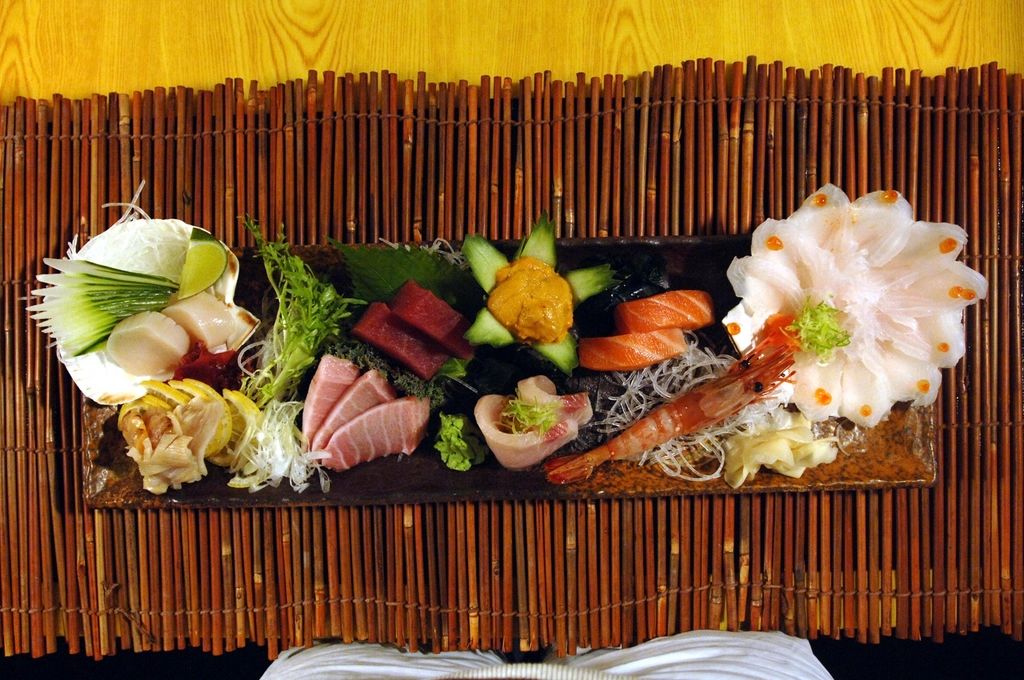
- Ginjo: Complements lighter dishes such as sashimi or seafood.
- Daiginjo: Excellent with refined flavors like sushi, white fish, or delicate cheese.
- Honjozo: Works wonderfully with Japanese comfort foods like ramen or yakitori.
- Nama: Ideal for spicy dishes or anything with a citrus element.
Tasting Tips for Sake
To truly appreciate sake, consider the following tasting techniques:
- Examine: Observe the clarity and appearance of the sake in your glass.
- Smell: Swirl gently to release the aromas; take a moment to identify the scents.
- Taste: Take a sip, allowing the liquid to coat your palate. Pay attention to the flavor notes.
- Reflect: Consider the aftertaste and how it complements or contrasts with the initial flavors.
Additional Sake Tips
Enjoying sake can be an exploration in flavor and tradition. Here are a few additional tips:
- Serve chilled or at room temperature based on the type of sake and personal preference.
- Use small cups (ochoko) for drinking; these enhance the aroma and tasting experience.
- Consider attending sake tasting events or workshops to expand your knowledge.
Exploring the versatile world of sake can enhance your Japanese dining experience significantly. Whether you're hosting a dinner party or enjoying a quiet meal at home, understanding these basics will help you appreciate the nuances of this remarkable beverage.