Understanding Umami: The Essence of Japanese Cuisine
Discover the importance of umami in Japanese cooking and how to incorporate it into your meals.
When it comes to Japanese cuisine, one word often stands out: umami. This unique flavor is a cornerstone of Japanese cooking and contributes to the rich and savory profile of many dishes. Whether you’re new to Japanese food or a seasoned enthusiast, understanding umami will elevate your culinary skills.
What is Umami?
Umami is often referred to as the 'fifth taste' alongside sweet, sour, bitter, and salty. Discovered in the early 20th century by Dr. Kikunae Ikeda, umami is primarily associated with the presence of glutamate, an amino acid that enhances flavor and provides richness to dishes.
Common Sources of Umami in Japanese Cuisine
There are several key ingredients in Japanese cooking that are rich in umami. Here’s a breakdown:
- Seafood: Ingredients like kombu (kelp), bonito flakes, and dried sardines are packed with natural umami.
- Mushrooms: Varieties like shiitake and enoki provide deep, earthy umami tones.
- Soy Sauce: A staple in many Japanese dishes, it adds a complex layer of umami flavor.
- Fermented Products: Miso, sake, and fermented soy products are rich in umami and enhance the taste of various dishes.
- Meat and Poultry: Cuts of meat, particularly those high in fat, contribute to umami richness.
How to Enhance Umami in Your Dishes
Incorporating umami into your cooking can be simple and rewarding. Here are some tips to boost the umami flavor in your meals:
- Add a Umami Base: Start your dishes with a base that includes ingredients like sautéed onions, garlic, and mushrooms.
- Experiment with Fermented Foods: Use miso paste, soy sauce, or pickled vegetables to add depth to soups and marinades.
- Use Stock Wisely: Create rich stocks using kombu or bonito flakes for soups, stews, and sauces.
- Roast Your Vegetables: Roasting enhances the natural flavors and umami in vegetables, making them more delicious.
- Pair Foods Wisely: Combine umami-rich foods with others, such as serving a savory miso soup alongside grilled fish or meats.
Umami in Popular Japanese Dishes
Several traditional Japanese dishes showcase umami beautifully. Here are a few examples:
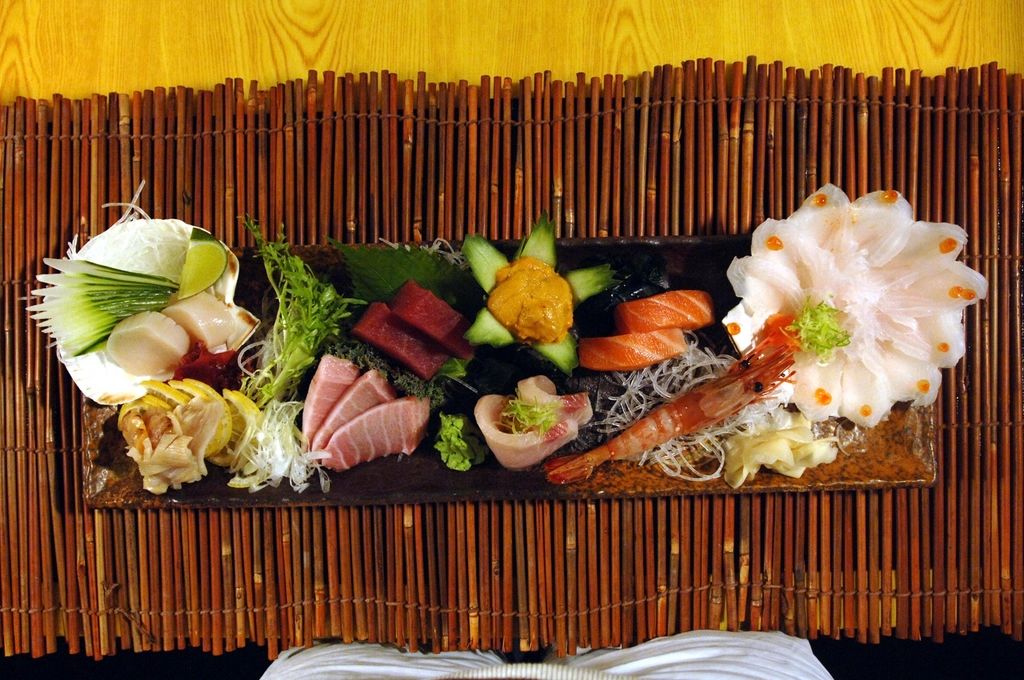
- Sushi: The combination of vinegared rice and fresh fish creates a delightful umami experience.
- Ramen: A well-balanced broth, often made with kombu and bonito, delivers a profound umami punch.
- Takoyaki: These crispy octopus balls often contain umami-rich dashi, giving them a savory flavor.
- Miso Soup: A staple in Japanese households, it’s packed with umami goodness from miso and seaweed.
- Okonomiyaki: This savory pancake is layered with ingredients like cabbage and dashi, loaded with umami.
Conclusion
Understanding and utilizing umami in your cooking can transform your Japanese dishes from simple to spectacular. By combining key umami sources and following the tips provided, you'll be able to savor the true essence of Japanese cuisine in every bite.