Unlocking the Secrets of Omakase Sauces: A Flavor Guide

Discover the essential sauces used in omakase and how they elevate your dining experience, from soy sauce to ponzu and beyond.
When it comes to experiencing omakase, understanding the role of sauces can significantly enhance your palate. These sauces are not merely condiments; they are carefully crafted accompaniments that highlight the delicate flavors of each dish. Here, we delve into the key sauces used in omakase and how to appreciate them fully.
The Significance of Sauces in Omakase
Sauces play a crucial role in Japanese cuisine, especially in omakase dining. They are designed to complement, balance, and enhance the primary ingredients of your meal. A well-crafted sauce can elevate a dish from good to unforgettable.
Key Omakase Sauces You Should Know
- Soy Sauce: The most recognizable of all Japanese sauces, soy sauce is made from fermented soybeans and wheat. It adds umami and depth to sushi and sashimi.
- Wasabi: A traditional accompaniment for sushi, wasabi is known for its sharp, pungent flavor that adds a spicy kick to dishes.
- Ponzu: A citrus-based sauce made from soy sauce, vinegar, and citrus juice (like yuzu or sudachi), ponzu adds a refreshing acidity, perfect for lighter dishes.
- Nikiri: A sweet soy sauce that is brushed lightly over nigiri, nikiri enhances the flavor of the fish without overpowering it.
- Teriyaki: This combination of soy sauce, sake, and sugar creates a rich, sweet glaze that works wonderfully on grilled items.
- Mirin: A sweet rice wine that adds depth and sweetness to many Japanese dishes and sauces.
How to Use Sauces in Your Omakase Experience
Pairing sauces with your dishes thoughtfully can enhance your omakase experience.
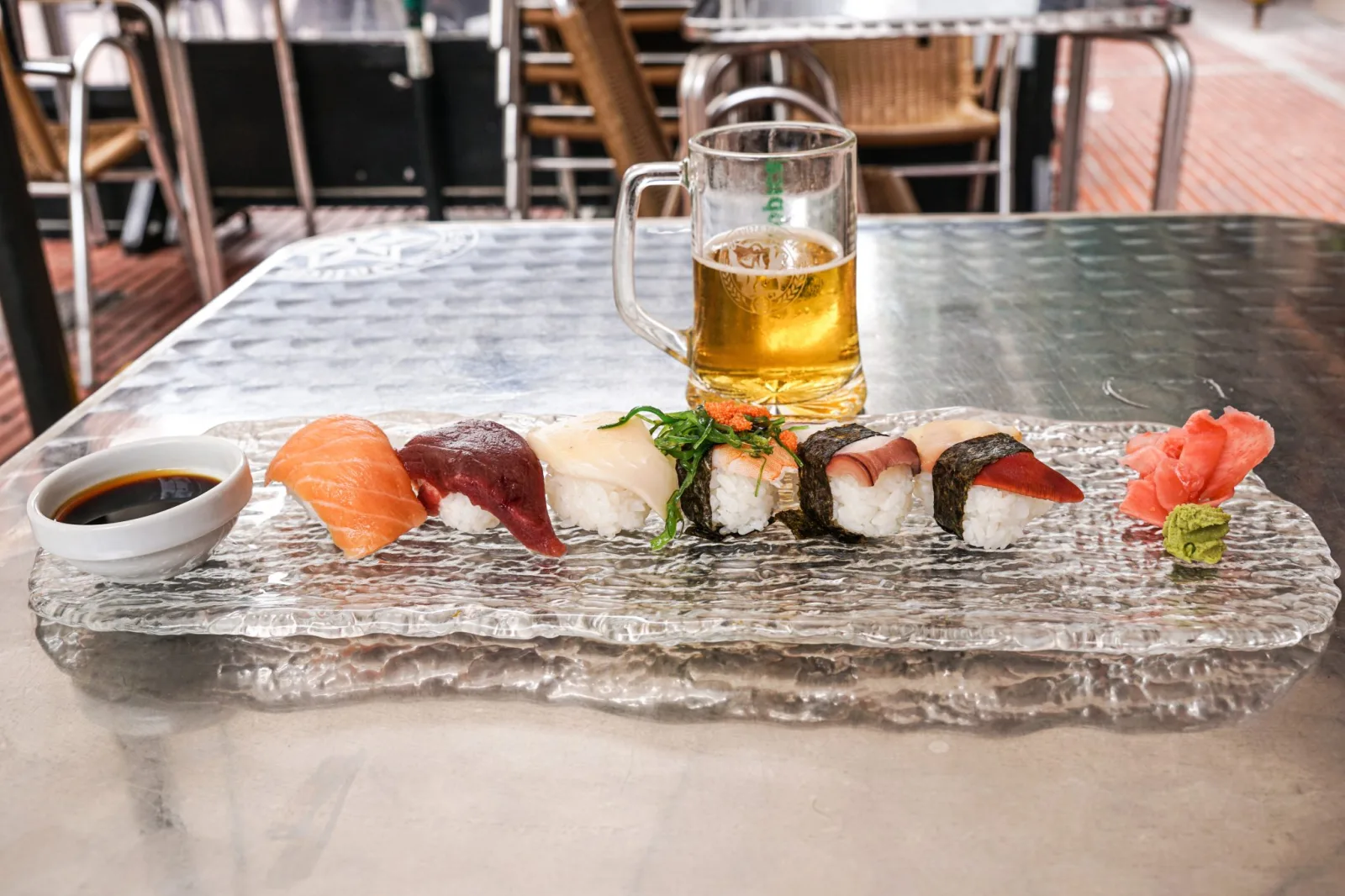
- Dip Sparingly: When dining on nigiri, a light brush of soy sauce or nikiri on the fish is often enough. Avoid soaking the rice.
- Savor the Flavors: Taste the fish or main ingredient before adding any sauce. This allows you to appreciate the chef's skill and the quality of the ingredients.
- Mix and Match: Feel free to experiment with different sauces. A little wasabi can heighten the flavor of soy sauce, while ponzu can introduce a refreshing contrast.
- Follow the Chef's Lead: Experienced chefs know when to use sauces and when not to. Trust their recommendations!
Conclusion: Elevating Your Omakase Experience
Understanding and appreciating the sauces in omakase dining is essential for enjoying this unique experience fully. By recognizing how each sauce plays a role in the overall flavor profile of your meal, you can enhance your tasting journey. Next time you sit down for omakase, allow the sauces to guide you in savoring every bite!