A Guide to Choosing the Best Japanese Sake for Your Meal

Discover how to select the perfect sake to complement your Japanese dishes, enhancing your dining experience.
Understanding Sake: A Brief Overview
Sake, often referred to as rice wine, is a traditional Japanese beverage made from fermented rice. Its unique production process gives it a diverse range of flavors and aromas, making it an excellent partner for various Japanese dishes. Understanding the basics of sake can help you choose the right one for your meal.
Types of Sake
Before selecting a sake, it's essential to know the different types available. Here are the most common:
- Junmai: Pure rice sake with a rich, full body, ideal for pairing with hearty dishes.
- Ginjo: Made with rice polished to 60% or less, it has a fruity, fragrant quality that complements lighter foods.
- Daiginjo: A premium sake with a polished rice ratio of at least 50%, offering complex flavors.
- Nigori: Unfiltered sake that's cloudy and often sweeter, great for dessert pairing.
Choosing Sake Based on Food Pairing
The right sake can elevate your dining experience. When considering food pairings, take into account the flavor profile and intensity of your dish:
1. Pairing with Sushi
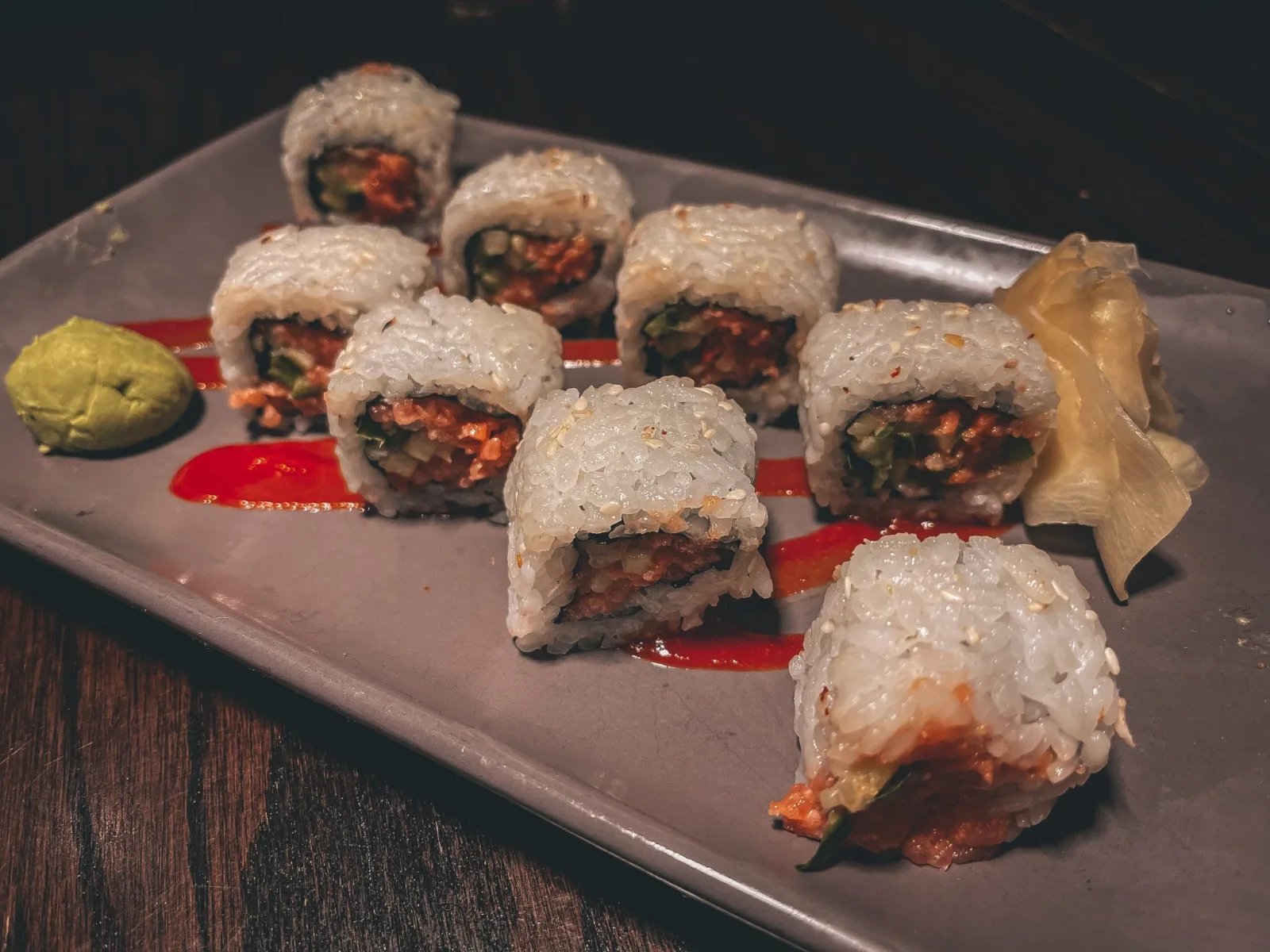
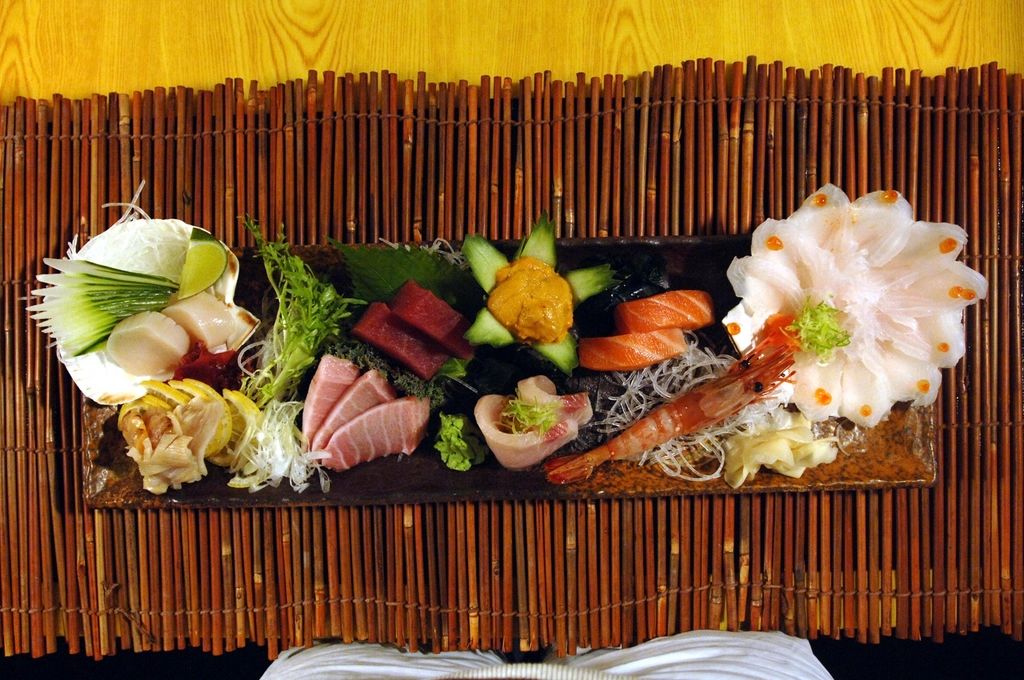
For sushi, especially nigiri or sashimi, a light ginjo or daiginjo works best. Their delicate flavors enhance the freshness of the fish without overpowering it.
2. Ramen Nights
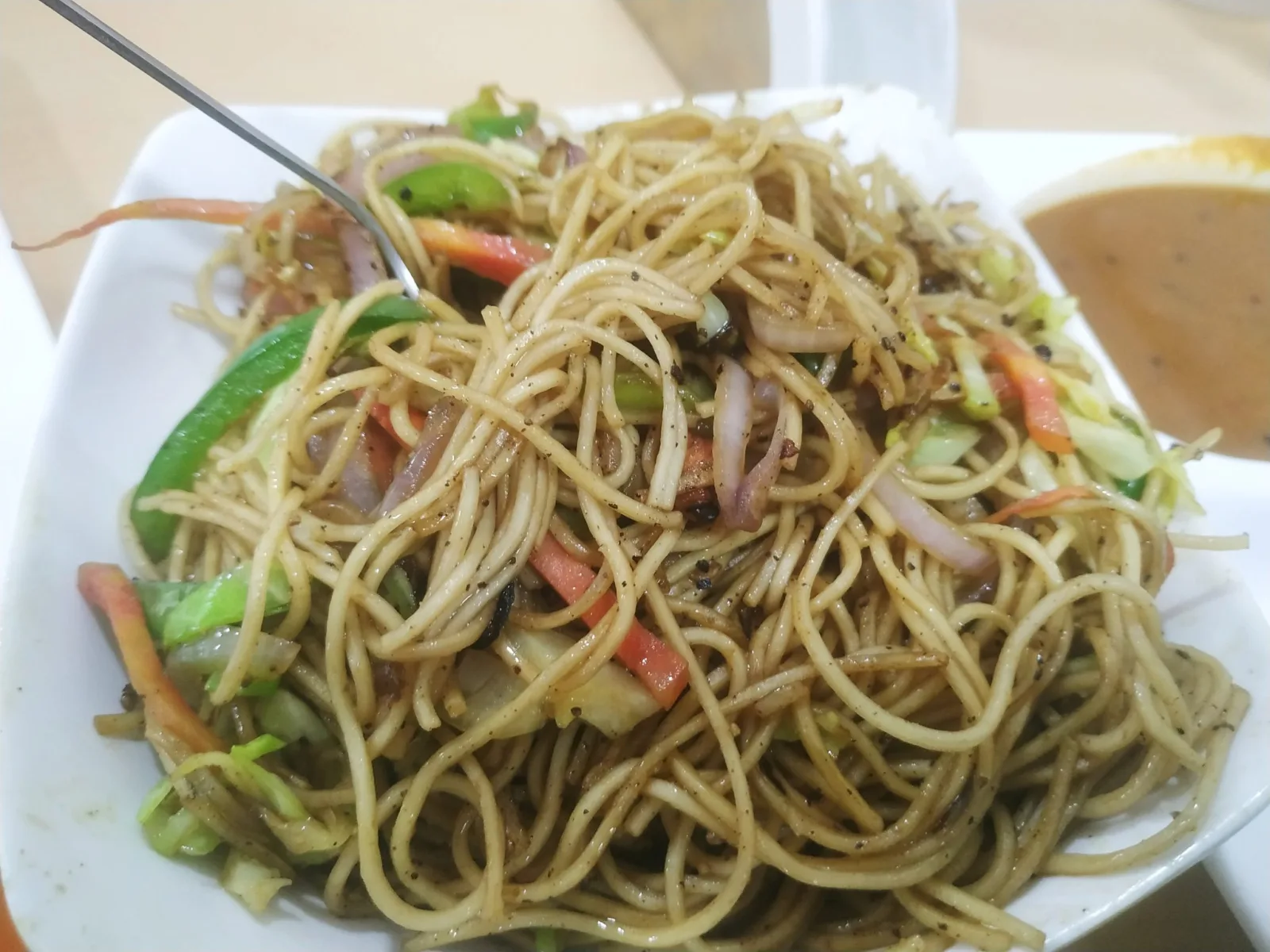
If you're indulging in a hearty bowl of ramen, a flavorful junmai sake can stand up to the rich broth and savory toppings.
3. Tempura and Fried Dishes
Crispy tempura pairs well with a crisp, cold ginjo sake, enhancing the dish's texture and lightness.
4. Desserts
For sweet treats like mochi or fruit, consider a nigori sake for its sweetness and texture.
Sake Serving Tips
How you serve sake can enhance your experience:
- Temperature: Most sake is best served chilled, but some varieties, like junmai, can be enjoyed warm. Experiment to find your preference.
- Glassware: Traditional ochoko (small cups) or tokkuri (decanters) can make the experience more authentic.
- Pouring: It’s customary to pour for others rather than yourself, a symbol of hospitality.
Exploring Sake Brands
While choosing brands can seem overwhelming, focusing on quality is key. Look for brands that prioritize traditional crafting methods and high-quality ingredients. Many online shops provide detailed descriptions and user reviews to guide your choices. Don't hesitate to try local breweries; they often offer unique offerings not found in mainstream brands.
Final Thoughts
Choosing the right sake can enhance your Japanese dining experience significantly. Whether you're hosting a refined dinner or enjoying a casual night with friends, understanding the basics of sake will allow you to make informed decisions, ensuring that your meal is unforgettable.