Building an Authentic Japanese Kaiseki Dinner at Home
Learn how to create a traditional Japanese Kaiseki dinner experience in your own home with this step-by-step guide.
Understanding Kaiseki Dining
Kaiseki is a traditional multi-course Japanese dinner that reflects the seasons and the skill of the chef. It combines taste, texture, and aesthetics, presenting food in a way that is visually stunning and thoughtfully assembled. Hosting a Kaiseki dinner at home allows you to explore the depth of Japanese culinary art while impressing your guests with a sophisticated dining experience.
Key Elements of a Kaiseki Dinner
When planning your Kaiseki meal, consider the essential components that make up this dining style:
- Seasonality: Use ingredients that are in season to reflect the natural rhythm of the year.
- Presentation: Focus on plating your dishes beautifully, incorporating colors and textures that enhance the meal.
- Course Structure: A typical Kaiseki meal may include appetizers, a soup, sashimi, a grilled dish, a steamed dish, fried items, rice, pickles, and dessert.
Planning Your Kaiseki Menu
Creating a Kaiseki menu requires planning and creativity. Here’s a simple guide to help you get started:
- Appetizer: Start with Sakizuke, an appetizer that showcases seasonal ingredients, such as a small salad with sesame dressing.
- Soup: Prepare a clear broth or miso soup with seasonal vegetables and tofu.
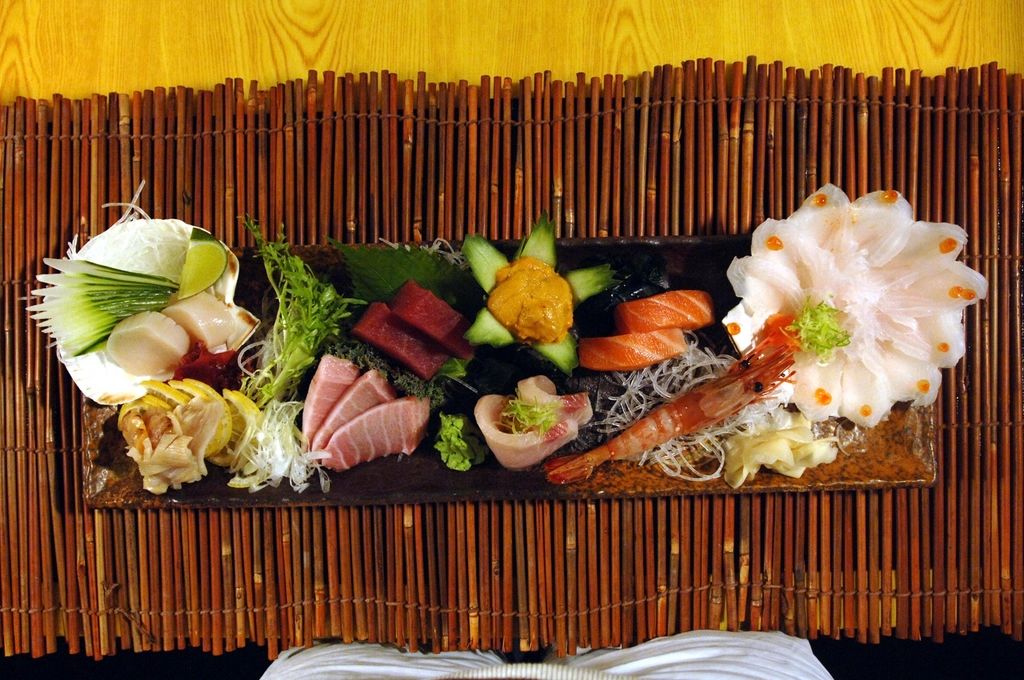
- Sashimi: Choose fresh fish like tuna or salmon, beautifully sliced and garnished with wasabi and shiso leaves.
- Grilled Dish: Serve a grilled fish or meat, such as teriyaki chicken, with a simple glaze and seasonal vegetables.
- Steamed Dish: Include a delicate chawanmushi, a savory egg custard steamed with ingredients like shrimp and ginko nuts.
- Fried Item: Prepare tempura, lightly battered and fried vegetables or seafood, known for their crispiness.
- Rice and Pickles: Serve a bowl of perfectly steamed rice with a selection of pickles, enhancing flavors.
- Dessert: Finish with seasonal fruits or a small serving of mochi or matcha ice cream.
Setting the Atmosphere
The ambience of your dining space is crucial for a Kaiseki experience. Here are some tips:
- Use traditional Japanese tableware, such as lacquered trays and ceramic plates.
- Incorporate natural elements like flowers or greenery to create a tranquil setting.
- Set the table with attention to detail, ensuring everything is placed symmetrically and elegantly.
Tips for Success
To ensure your Kaiseki dinner goes smoothly, keep the following tips in mind:
- Prep Ahead: Prepare as many components as possible in advance to allow yourself time to enjoy the evening.
- Practice Plating: Experiment with plating styles before the dinner to enhance the presentation.
- Limit Guests: Keep the guest list small to foster intimacy and allow for more attention to detail.
Conclusion
Hosting a Kaiseki dinner at home is an enriching way to delve into Japanese cuisine and share the experience with others. With careful planning, seasonal ingredients, and a focus on presentation, you can create an unforgettable dining experience that pays homage to this esteemed culinary tradition.