Unraveling the World of Japanese Spirits: Shochu vs. Sake
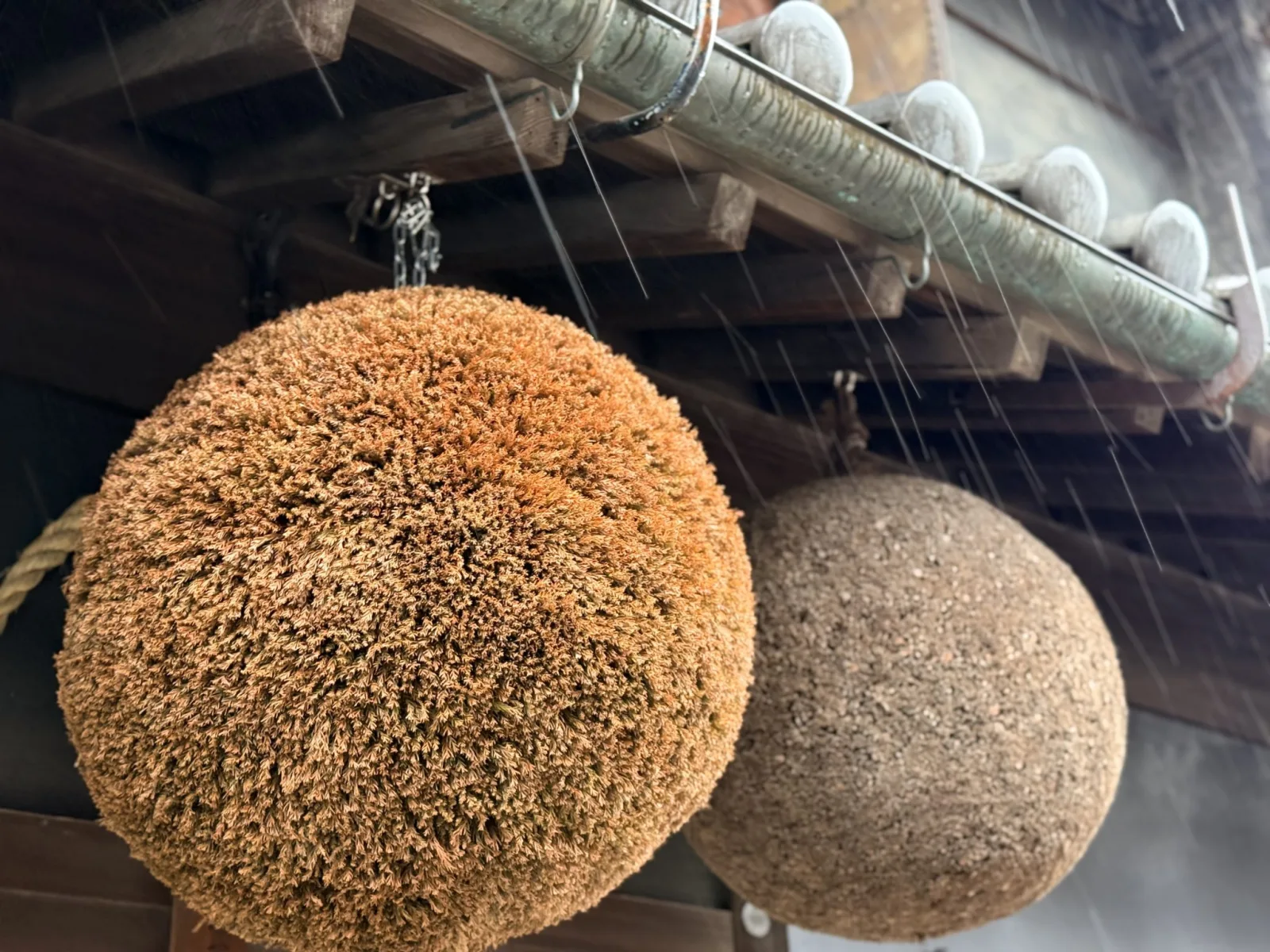
Explore the complexities of Japanese spirits as we compare the rich flavors of shochu and sake, perfect for your next dining experience.
When it comes to Japanese beverages, few are as celebrated as sake and shochu. Both are traditional spirits that carry a unique heritage, yet they offer distinct flavors and experiences. If you're looking to expand your knowledge of Japanese drinks, understanding the differences between shochu and sake is essential.
What is Sake?
Sake, often referred to as rice wine, is made from fermented rice. The brewing process is somewhat akin to beer making, where starch is converted into sugars that ferment into alcohol. Sake is typically enjoyed warm or chilled, depending on the type and personal preference.
- Alcohol Content: Generally ranges from 14% to 20%.
- Flavor Profile: Sweet, fruity, and floral notes, with a smooth finish.
- Varieties: Can be categorized into Junmai, Ginjo, Daiginjo, and more, each offering varying levels of polish and flavor.
What is Shochu?
Shochu is a distilled spirit made from various ingredients, including barley, sweet potatoes, rice, and even buckwheat. It boasts a stronger flavor and higher alcohol content than sake. Shochu can be enjoyed straight, on the rocks, or mixed with other beverages.
- Alcohol Content: Typically ranges from 25% to 45%.
- Flavor Profile: Earthy, robust, and often more varied depending on the base ingredient.
- Varieties: Main types include Imo (sweet potato), Mugi (barley), and Kome (rice) shochu.
Key Differences Between Shochu and Sake
Understanding the differences between shochu and sake is crucial for appreciating their unique qualities. Here are some of the primary distinctions:
1. Production Method
Sake undergoes a brewing process similar to beer, while shochu is distilled, enhancing its alcohol concentration and flavors.
2. Base Ingredients
Sake is primarily made from polished rice, while shochu can be derived from a variety of ingredients, leading to a wider range of flavors.
3. Alcohol Content
Sake tends to be lower in alcohol content than shochu, making it lighter and easier to drink in larger quantities.
4. Serving Styles
Sake is typically served in small porcelain cups, while shochu is often enjoyed in a glass over ice or as part of a cocktail.
Food Pairings
Both sake and shochu pair remarkably well with Japanese cuisine, each enhancing the dining experience in different ways:
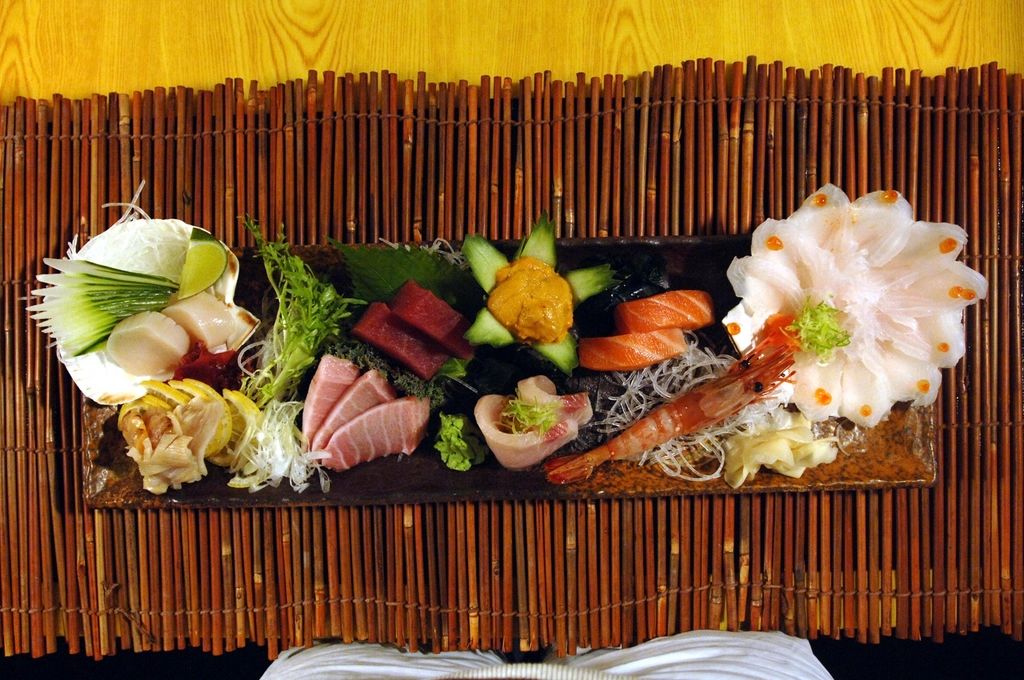
- Sake: Complements sushi, sashimi, and light dishes. Its delicate flavors enhance subtle tastes.
- Shochu: Pairs well with grilled meats, hearty dishes, and even spicy cuisines, thanks to its robust flavors.
How to Choose Between Shochu and Sake
When deciding between shochu and sake, consider the following:
- Occasion: For lighter meals, choose sake. For richer, more robust dishes, opt for shochu.
- Personal Preference: Experiment with different varieties of each to find your favorite flavor profiles.
- Temperature: Sake can be served warm or chilled, while shochu is typically best served chilled or on the rocks.
In conclusion, both shochu and sake offer exciting avenues for exploration. Whether you’re hosting a dinner party or simply enjoying a quiet evening at home, knowing the characteristics and pairings of these traditional Japanese drinks can elevate your dining experience.