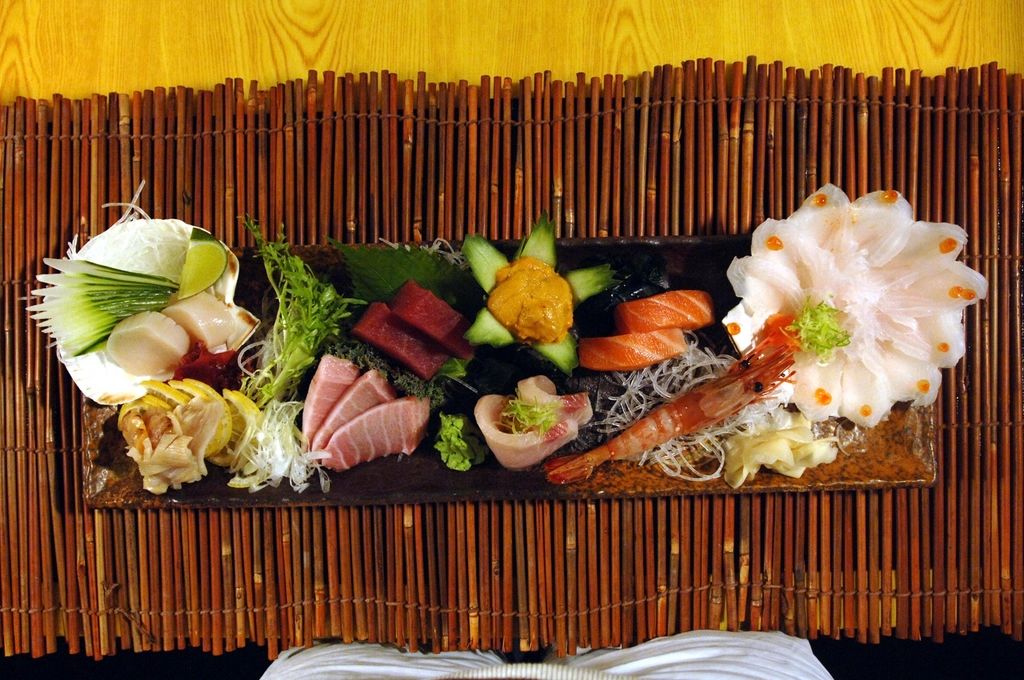
Crafting the Perfect Omakase Menu at Home
Discover tips and ideas for creating a delicious and authentic omakase menu in your own kitchen.
What is Omakase?
Omakase, which translates to "I'll leave it up to you," is a dining experience where the chef selects the menu, showcasing seasonal and fresh ingredients. While traditionally enjoyed in restaurants, you can replicate this culinary adventure at home.
Essential Components of an Omakase Menu
Creating an omakase meal involves more than just assembling dishes. Here are the essential components to consider when crafting your own.
- Balance: Ensure the meal offers a mix of textures and flavors, from light and delicate to rich and bold.
- Seasonality: Use seasonal ingredients for freshness and flavor. Research what is currently in season in your area.
- Presentation: Focus on the aesthetics of each dish. This enhances the dining experience and highlights the care put into the meal.
- Progression: Structure the menu to guide your guests through a culinary journey, starting with lighter items and moving to richer ones.
Steps to Create Your Omakase Menu
To ensure a well-rounded omakase dinner at home, follow these steps:
- Start with an Appetizer: Begin the meal with a light dish, such as tako (octopus) sashimi or a refreshing cucumber salad.
- Move to Sashimi: Serve a selection of fresh sashimi, paying attention to color and variety. Include salmon, tuna, and yellowtail for a diverse taste.
- Introduce Sushi: Incorporate nigiri and maki rolls, using high-quality rice and fish. Consider using seasonal fish with unique flavor profiles.
- Main Course: Feature a heartier dish, such as yakitori (grilled chicken skewers) or steamed fish with soy sauce to provide a satisfying finale.
- Dessert: Finish with something light, like matcha mousse or mochi ice cream, to cleanse the palate.
Tips for Enhancing the Omakase Experience
To elevate your homemade omakase, consider these additional tips:
- Experiment with Pairings: Offer a selection of drinks, like sake or green tea, to complement the flavors of each dish.
- Use Traditional Serveware: Invest in traditional Japanese tableware to enhance the presentation and set the ambiance.
- Engage Your Guests: Share the stories behind each dish and ingredient, enriching the experience and fostering conversation.
- Plan for Succession: Prepare dishes in advance, so you can enjoy the evening without stress and focus on your guests.
Conclusion
Crafting an omakase menu at home is a rewarding culinary endeavor that allows you to showcase your creativity. By focusing on balance, seasonality, and presentation, you can create a memorable dining experience for your guests, right in your kitchen.