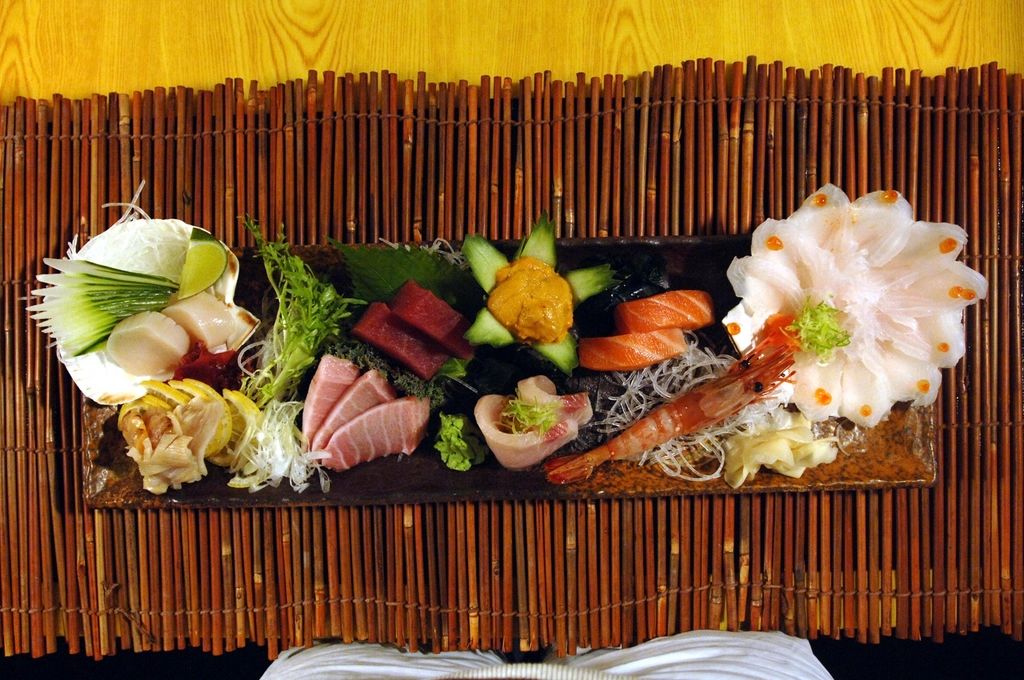
The Role of Seasonality in Omakase Dining: A Delicious Exploration
Discover how seasonality enhances the omakase experience with fresh ingredients and unique flavors.
Introduction to Seasonal Omakase
Omakase, translating to "I'll leave it up to you," involves a unique culinary experience where chefs prepare dishes based on the freshest, seasonal ingredients available. This philosophy not only showcases the skill of the chef but also emphasizes the importance of timing in Japanese cuisine. Understanding how seasonality influences omakase can deepen your appreciation and elevate your dining experience.
The Importance of Seasonality in Japanese Cuisine
Japanese cuisine is rooted in its respect for nature and the changing seasons. Each season brings a unique variety of ingredients, which can greatly influence the flavors and presentation of the dishes. Here’s why seasonality plays a crucial role:
- Freshness: Seasonal ingredients are at their peak in flavor and quality, offering a more authentic taste.
- Variety: Cooking with seasonal ingredients allows chefs to offer a diverse menu throughout the year.
- Tradition: Many Japanese dishes are tied to seasonal festivals and cultural practices, adding an element of celebration and tradition to the meal.
What to Expect from Seasonal Omakase
When dining at an omakase restaurant, it’s common to find menus that change with the seasons. Here’s what to look for during each time of the year:
- Spring: Look out for fresh sashimi like cherry blossom shrimp and delicate vegetables such as fuki (butterbur) and bamboo shoots.
- Summer: Expect refreshing dishes featuring summer fish such as mackerel and seasonal fruits like strawberries and peaches.
- Autumn: The flavors deepen with ingredients like matsutake mushrooms and chestnuts, while fish such as sanma (Pacific saury) make an appearance.
- Winter: Richer flavors take center stage with grilled fish, hearty root vegetables, and umami-rich miso soups.
How to Select a Seasonal Omakase Experience
When choosing where to enjoy omakase, consider the following:
- Research the Chef: Look for chefs who prioritize seasonal ingredients and have a menu that reflects this commitment.
- Check Reviews: Read customer reviews to see if previous diners have experienced the depth and quality of flavors expected in seasonal dining.
- Inquire About Ingredients: Don’t hesitate to ask the restaurant about the sources of their ingredients and how they change throughout the year.
Conclusion
Embracing the seasonal aspects of omakase not only enhances your meal but also allows you to connect with the culture and philosophy behind Japanese cuisine. By understanding how seasonality plays a role, you’re well-equipped to enjoy a delightful and unforgettable dining experience.