Crafting Your Own Omakase Experience at Home: Tips & Techniques
Learn how to create your own omakase dining experience at home with these practical tips and techniques.
Bringing the restaurant experience into your own home can be incredibly rewarding, especially when it comes to the art of omakase. This Japanese dining tradition not only tantalizes the taste buds but also creates a meaningful and interactive atmosphere. Here are some essential tips and techniques for crafting your personalized omakase experience at home.
Understanding the Essence of Omakase
Omakase translates to 'I'll leave it up to you,' inviting the chef to choose the dishes based on seasonal ingredients and personal expertise. At home, you should embrace this spirit of spontaneity and quality. Here’s how:
- Emphasize Freshness: Use the freshest ingredients available to you. Visit your local fish market or farm to source top-quality seafood and seasonal vegetables.
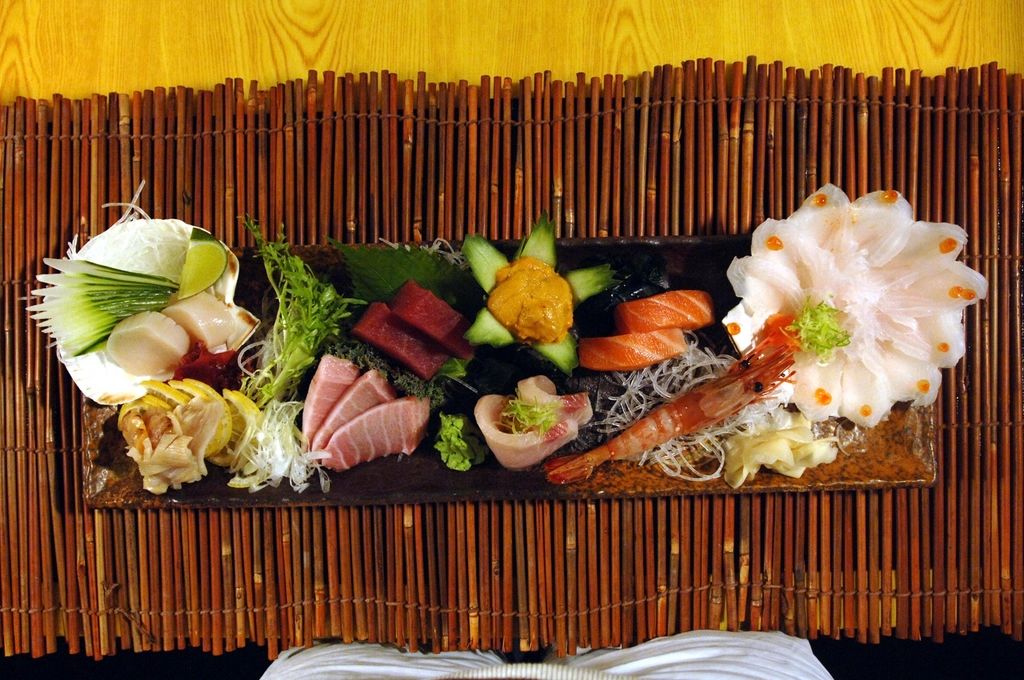
- Focus on Presentation: Omakase is not just a meal; it’s an experience. Arrange your dishes artistically to engage the senses and create a beautiful dining setting.
- Seasonal Ingredients: Choose ingredients that reflect the season. This can include different types of fish, vegetables, and even fruit that are at their peak for the time of year.
Setting the Scene
A serene dining environment enhances the omakase experience. Follow these steps to set the perfect ambiance:
- Table Setting: Use minimalistic tableware. Bamboo mats, lacquered plates, and beautiful ceramic dishes can give an authentic Japanese feel.
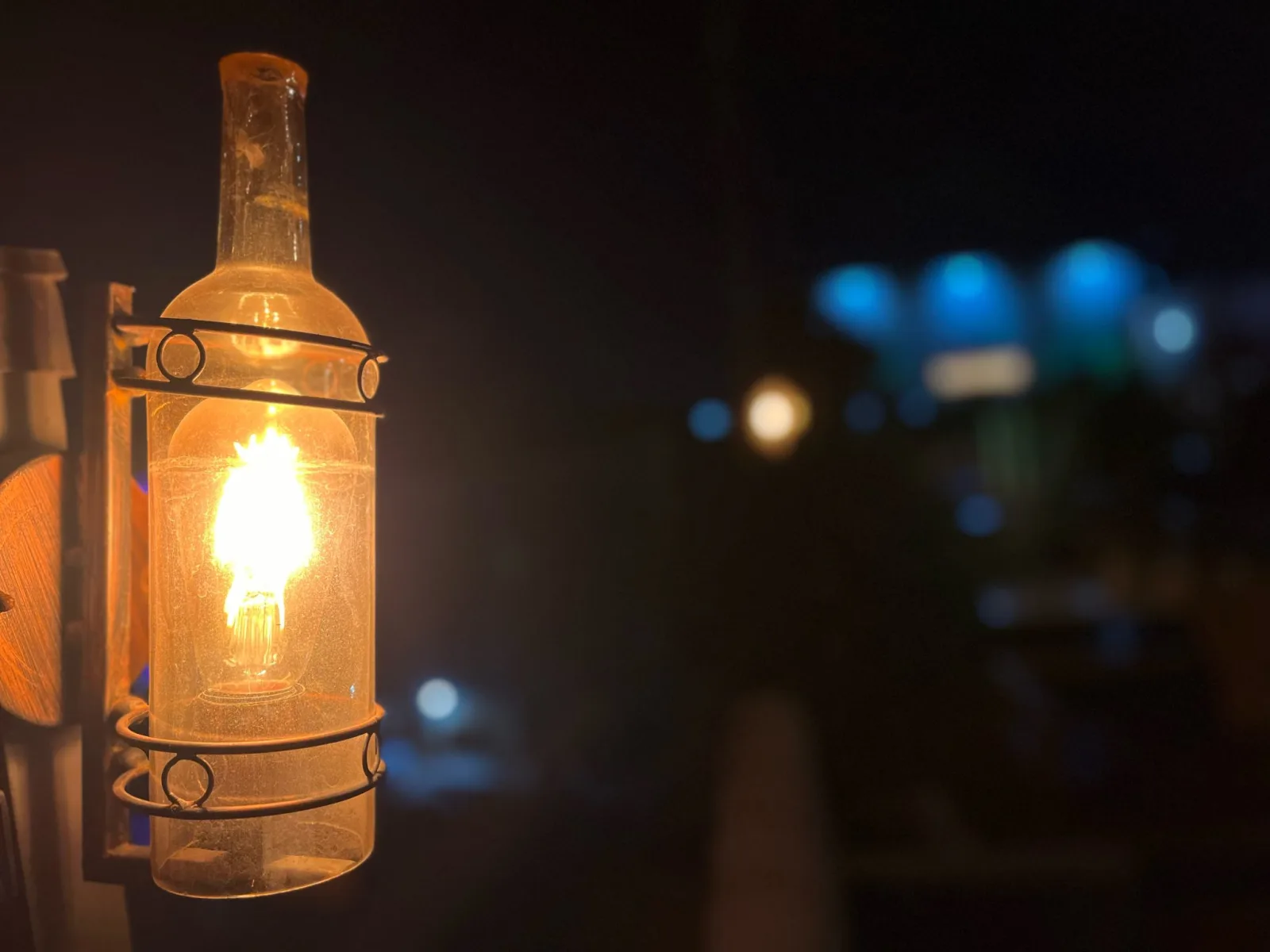
- Candles and Soft Lighting: Create a warm atmosphere with soft lighting or candles. It sets a calming mood, making every bite more enjoyable.
- Background Music: Consider playing soft Japanese instrumental music. It can enrich the dining experience and transport you to a Japanese restaurant.
Menu Planning: Courses to Consider
When curating your omakase menu, think about balance and progression in flavors. Here’s a simple structure you can follow:
- Starter: Begin with light appetizers like edamame or pickled vegetables.
- Sashimi: Following the starter, serve fresh sashimi. Choose a couple of fish types to showcase the variety.
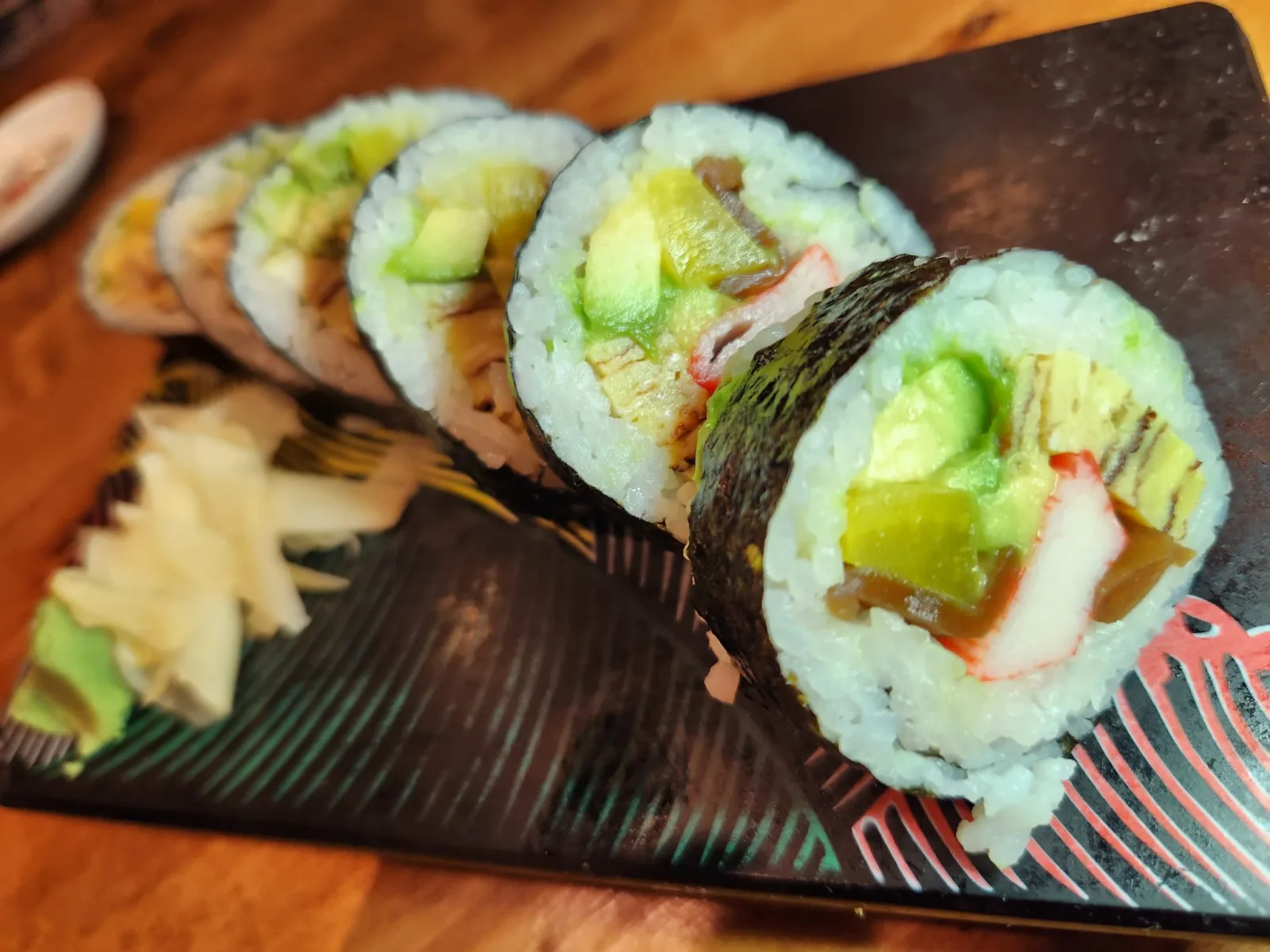
- Nigiri: Sushi rice topped with slices of fish is a staple. Aim for different textures and flavor profiles.
- Ramen or Soup Course: Introduce a warm dish, such as a delicate broth or a small bowl of ramen, to cleanse the palate.
- Dessert: End your meal on a sweet note with mochi or matcha ice cream.
Serving Techniques for an Interactive Experience
Encourage interaction and engagement during your omakase meal. Here are a few techniques:
- Serve in Small Portions: Keep portions small to encourage sampling of each dish. This also fosters conversation over food.
- Explain Your Choices: Share a bit about the ingredients or the inspiration behind each dish. This adds a personal touch to the dining experience.
- Encourage Tasting: Invite your guests to pair different items together and experiment with flavors.
Experiment with Unique Pairings
Pairing beverages with your omakase can elevate the dining experience. While sake is a classic choice, consider exploring:
- Japanese Whisky: Its complexity can complement the flavors of your dishes.
- Tea Pairings: Matcha or green tea can refresh the palate between courses.
- Craft Beers: Light, crisp beers can offer an interesting contrast to the rich flavors of kaiseki dishes.
Crafting your own omakase experience at home can be an enjoyable journey through the exquisite world of Japanese cuisine. With a focus on fresh ingredients, thoughtful presentation, and an engaging atmosphere, you can bring a slice of Japan right to your table. Enjoy the process, and the flavors will surely follow!