Elevate Your Omakase Experience with Japanese Seasonal Ingredients
Discover the importance of seasonal ingredients in creating a memorable omakase experience at home.
Understanding the Concept of Omakase
Omakase, which translates to "I leave it up to you," is a dining style where the chef takes the lead in curating a unique menu based on the freshest ingredients available. This philosophy not only showcases the chef’s skills but also emphasizes the importance of using seasonal ingredients.
The Benefits of Seasonal Ingredients
Using seasonal ingredients in your omakase experience offers numerous benefits:
- Freshness: Seasonal ingredients are at their peak in terms of flavor and texture.
- Cost-effective: Seasonal produce is usually more abundant and less expensive.
- Flavor diversity: Each season brings unique flavors, enhancing the complexity of your dishes.
Key Seasonal Ingredients in Japanese Cuisine
Here’s a breakdown of some key seasonal ingredients in Japanese cooking:
- Spring: Fresh bamboo shoots, sakura (cherry blossoms), and peas.
- Summer: Cucumber, eggplant, and summertime seafood like clams and mackerel.
- Autumn: Chestnuts, persimmons, and matsutake mushrooms.
- Winter: Daikon radish, various cabbages, and seafood like crab and shrimp.
Incorporating Seasonal Ingredients into Your Omakase Menu
Now that you know the benefits and types of seasonal ingredients, here’s how to effectively incorporate them into your omakase menu:
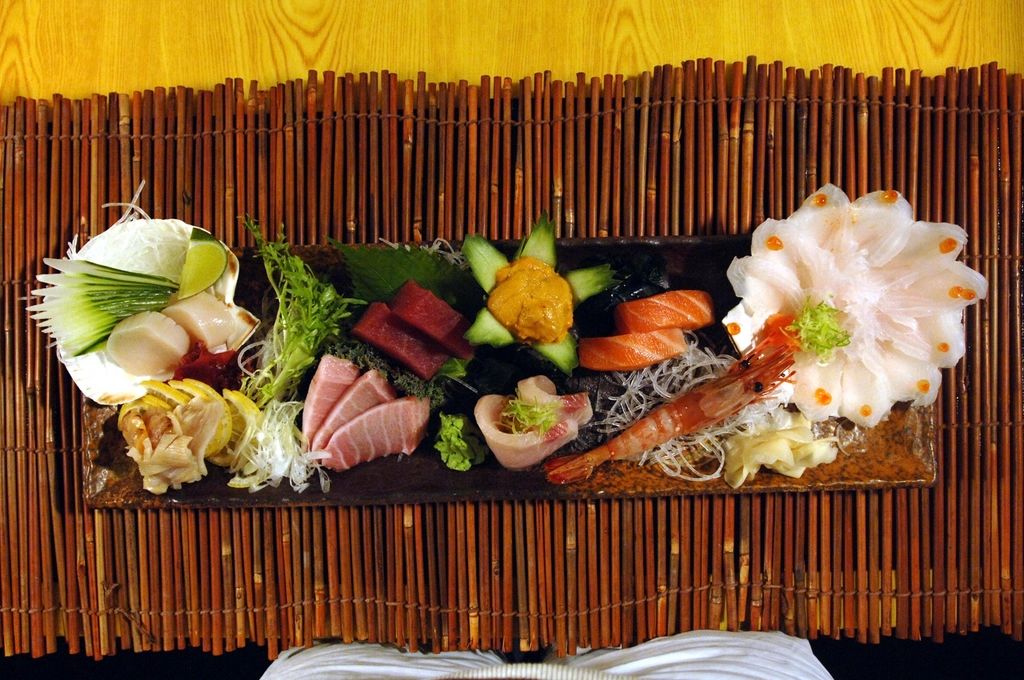
- Start with a simple sashimi: Use the freshest fish available from your local market, complemented by seasonal garnishes like spring onions or citrus.
- Craft a seasonal soup: Bouillon made with dashi stock and seasonal vegetables can set the tone for the meal.
- Offer a grilled dish: Base your selection on seasonal fish or meats, marinated and grilled to perfection for a smoky flavor.
- Include a vibrant salad: A delicate salad featuring seasonal greens and a light vinaigrette can refresh the palate.
- Finish with a seasonal dessert: Light desserts with fruits like strawberries in spring or persimmons in autumn will round off the meal.
Local Markets and Sourcing
To find the best seasonal ingredients, visit local farmers' markets or specialty grocery stores. Building a relationship with local farmers or suppliers helps you get the freshest produce available while supporting local businesses.
Final Thoughts
Elevating your omakase experience by focusing on seasonal ingredients not only enhances the flavors of your dishes but also allows you to appreciate the natural rhythms of nature. As you explore this culinary journey, remember to treat yourself and your guests to the freshest ingredients that each season has to offer.