The Art of Japanese Pickling: Techniques and Recipes
Explore the rich tradition of Japanese pickling with essential techniques and delicious recipes to try at home.
Introduction to Japanese Pickling
Japanese pickling, known as tsukemono, is an art form that enhances flavors and preserves seasonal ingredients. With a history that spans centuries, the techniques used in pickling vary from region to region and reflect the rich culinary heritage of Japan. This guide will equip you with the knowledge needed to explore this delicious world.
Common Techniques of Japanese Pickling
There are several primary methods of pickling in Japanese cuisine, each with distinct characteristics:
- Salting (Shiozuke): This is one of the simplest techniques where vegetables are salted to draw out moisture and enhance flavor.
- Sour Pickling (Su-zuke): This method uses vinegar or a brine solution to pickle vegetables, creating a tangy flavor profile.
- Sugar Pickling (Amazu-zuke): By using a mixture of sugar and vinegar, this technique results in sweet and sour pickles.
- Fermented Pickling (Nukazuke): A method that uses rice bran to create a unique fermentation process, resulting in richly flavored vegetables.
Essential Ingredients for Pickling
To get started with Japanese pickling, you'll need some basic ingredients:
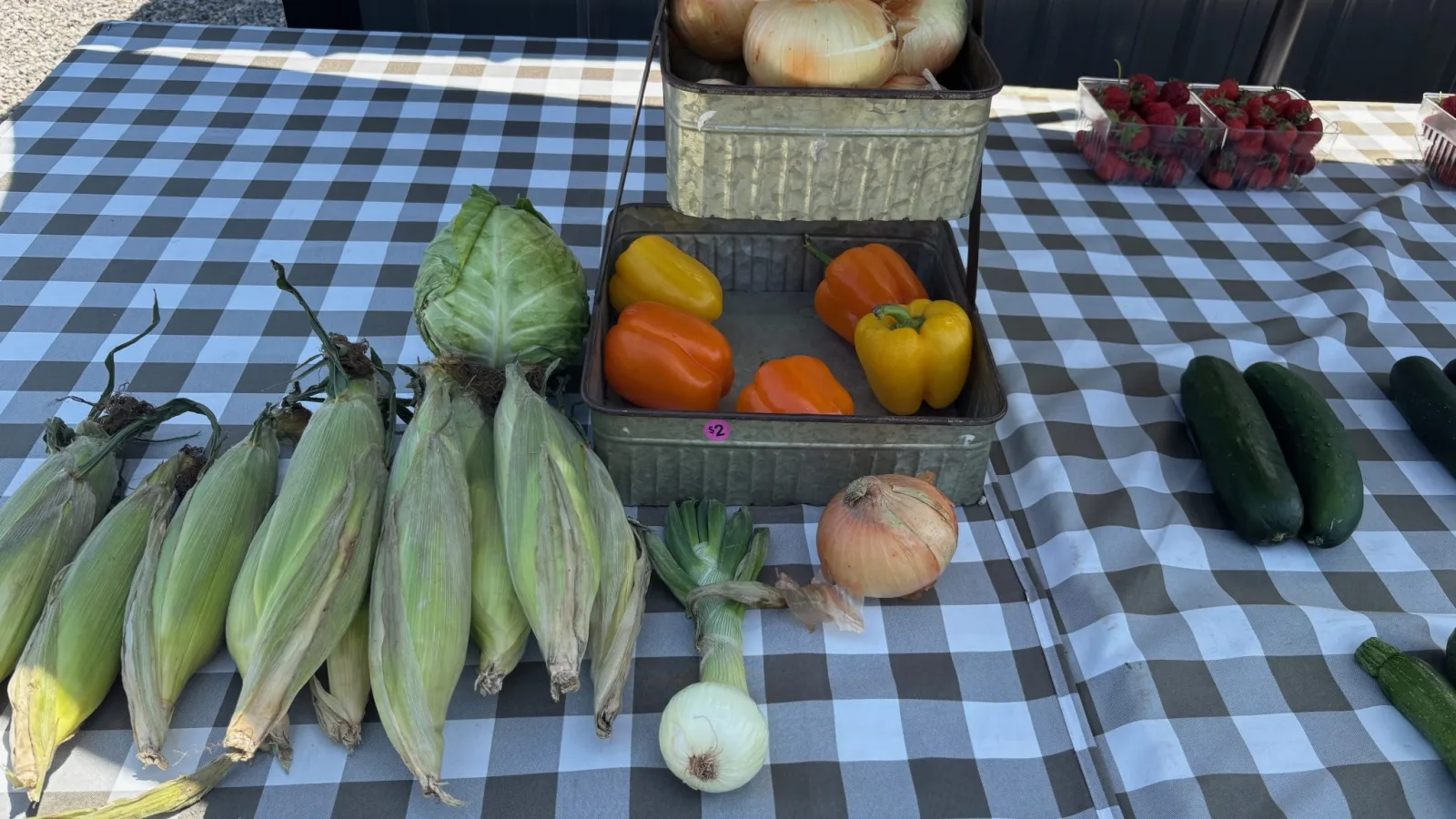
- Vegetables: Common choices include cucumbers, daikon radish, carrots, and cabbage.
- Salt: Coarse sea salt is preferred for its texture.
- Vinegar: Rice vinegar is traditionally used for sour pickling.
- Sugar: A natural sweetener to balance flavors in some recipes.
- Spices: Chili peppers, garlic, and ginger can be added for additional layers of flavor.
Simple Recipes to Try at Home
Here are a couple of easy recipes to help you get started with Japanese pickling:
1. Quick Cucumber Pickles (Kyuri no Tsukemono)
- Slice cucumbers thinly and place them in a bowl.
- Add 1 tablespoon of salt and 1 tablespoon of sugar. Mix well and let sit for 30 minutes.
- Rinse and drain the cucumbers, then add a splash of rice vinegar and a sprinkle of sesame seeds before serving.
2. Fermented Daikon Pickles (Takuan)
- Peel and cut a whole daikon radish into quarters.
- Mix 1 cup of rice bran with 1/2 cup of salt and pack it around the daikon.
- Place the daikon in a crock and press down with a weight. Let sit for 1-2 weeks until fermented, then slice and enjoy.
Tips for Successful Pickling
To achieve the best results in your pickling adventure, keep these tips in mind:
- Use fresh, seasonal vegetables for the best flavor.
- Ensure all equipment is clean and sanitized to prevent spoilage.
- Experiment with flavors and spices to find your perfect balance.
- Start small with quick-pickling techniques and gradually explore more complex methods.
Conclusion
The art of pickling is a cherished tradition in Japanese cuisine, providing not only preservation but also enhanced flavors and textures. By trying your hand at these simple techniques and recipes, you’ll be on your way to enjoying delicious homemade tsukemono. Embrace this culinary art and elevate your Japanese meals with these delightful pickles!