Exploring Japanese Dining Etiquette: A Beginner's Guide

Discover essential Japanese dining etiquette to enhance your culinary experiences. Impress your guests with your knowledge of customs and traditions.
Introduction to Japanese Dining Etiquette
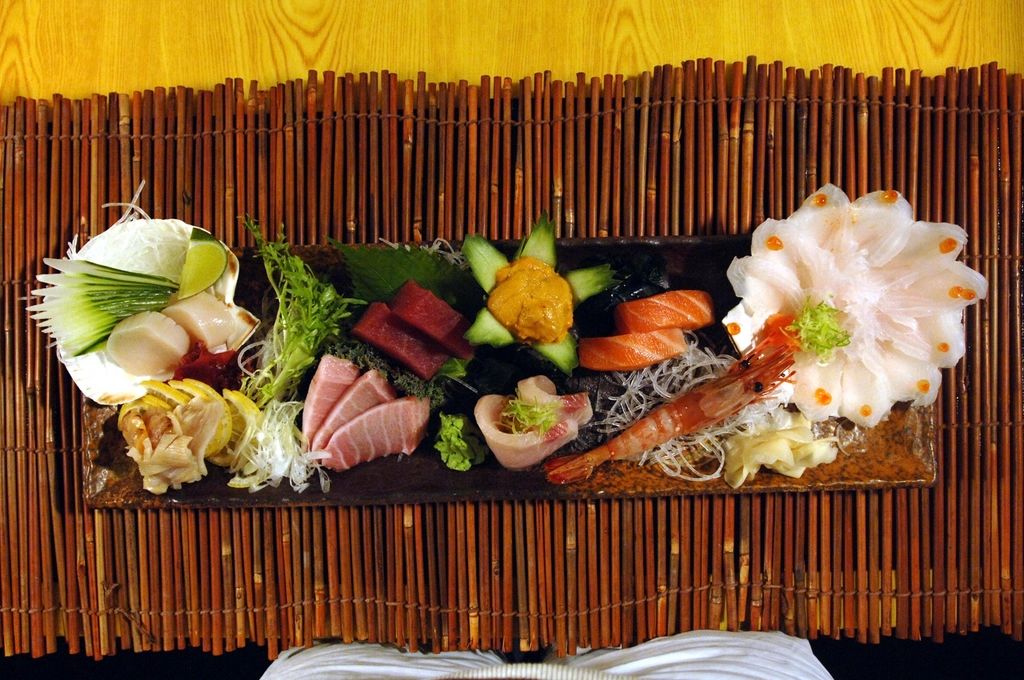
Dining in Japan is not just about the food; it's an art steeped in culture and tradition. Understanding the nuances of Japanese dining etiquette can greatly enhance your experience, whether you’re enjoying sushi at a restaurant or sharing a meal with friends at home.
Table Setting and Arrangement
When dining in Japan, the table setting is often a reflection of the meal's formality.
- Chopsticks: Always rest chopsticks on a holder or the designated chopstick rest when not in use. Avoid sticking them upright in your rice, as it resembles a funeral ritual.
- Plates and Bowls: You may find several small dishes served for different items. Serve yourself and others from communal dishes, but be mindful of taking just small portions to avoid wastage.
- Order of Service: Typically, meals begin with lighter flavors and progress towards richer ones. Pay attention to this flow, which enhances the dining experience.
Before You Eat: Important Rituals
Before diving into your meal, there are key phrases and gestures to remember:
- Itadakimasu: This phrase is said before eating, expressing gratitude for the food.
- Respect the Cook: Acknowledge the effort of the chef, especially if you dine out. A simple nod or smile can express appreciation.
During the Meal: Dos and Don'ts
Understanding dining behavior is crucial in Japanese culture. Here are some dos and don'ts:
- Do: Sip soup directly from the bowl and use chopsticks to eat solid food. It’s perfectly acceptable to slurp noodles or soup as a sign that you’re enjoying your meal.
- Don’t: Avoid reaching over others or speaking loudly. Personal space and a calm atmosphere are valued in Japanese dining.
- Do: Share food and serve others from common dishes; it emphasizes community and connection.
After the Meal: Saying Thanks
Conclude your meal gracefully. When finished, use the phrase gochisousama deshita to express thanks to the chef and those who prepared the meal. It’s a simple yet meaningful gesture.
Bringing It All Together
Understanding and respecting these dining etiquettes not only shows your appreciation for Japanese culture but also enriches your dining experience. Next time you prepare a Japanese meal at home, or share sushi with friends, keep these tips in mind. It’s about more than just eating; it’s a holistic experience that celebrates tradition.