Sake 101: A Guide to Choosing and Enjoying Sake at Home
Discover the essentials of selecting and savoring sake, the traditional Japanese beverage, for a delightful dining experience.
Sake, often referred to as the national drink of Japan, is a rice-based beverage with a rich history and diverse flavor profiles. Whether you’re planning a special dinner or simply want to enhance your everyday meals, understanding how to choose and enjoy sake can elevate your dining experience. Here’s a guide to help you get started.
Understanding Sake: The Basics
Before diving into the selection process, it's essential to understand the basics of sake:
- What is Sake? Sake is a fermented alcoholic beverage made from polished rice, water, yeast, and koji mold.
- Types of Sake: There are several types including Junmai, Ginjo, Daiginjo, and Nigori, each offering unique flavors and aromas.
- Alcohol Content: Sake typically has an alcohol content of 15% to 20%, which is similar to wine.
Choosing the Right Sake
When it comes to selecting sake, consider the following factors:
Sake Grades
Sake grades are determined largely by the degree of rice polishing. Here are the main classifications:
- Junmai: Pure rice sake, no added alcohol. Rich and full-bodied.
- Ginjo: Rice polished to 60%. Fruity and aromatic, often more refined.
- Daiginjo: Rice polished to 50%. Considered premium sake, delicate and complex flavors.
- Nigori: Unfiltered sake, cloudy appearance, rich and sweet taste.
Serving Temperature
Sake can be enjoyed at various temperatures which can enhance its flavors:
- Chilled: Most Ginjo and Daiginjo sakes are best enjoyed chilled to appreciate their floral and fruity notes.
- Room Temperature: Junmai sakes can be enjoyed at room temperature for a fuller taste.
- Warm: Some Junmai can also be warmed to enhance robust flavors, especially in cooler weather.
Pairing Sake with Food
Sake pairs beautifully with a range of foods, enhancing the culinary experience. Here are some pairing suggestions:
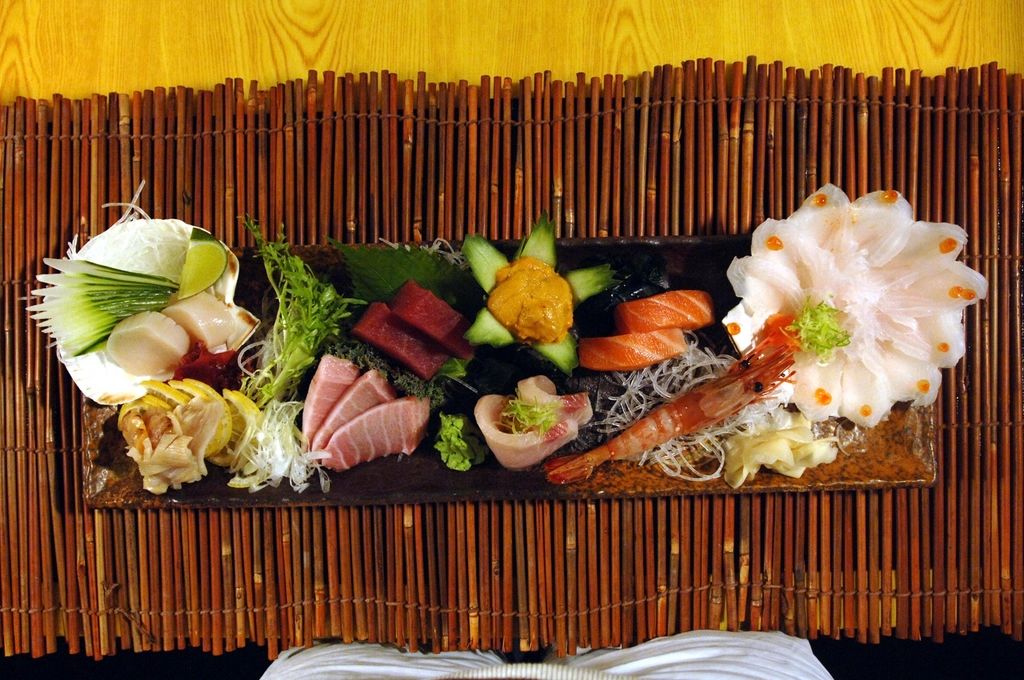
- Sushi & Sashimi: Light and refreshing sakes complement the delicate flavors of fresh fish.
- Ramen: A hearty Junmai can balance the savory richness of ramen.
- Tempura: Crisp, light sake pairs well with the texture and flavors of tempura dishes.
- Grilled Meats: A robust Daiginjo can enhance the smoky flavors of grilled meats.
Serving Sake at Home
Creating a delightful sake experience at home doesn’t require a lot of fuss. Here are some tips:
- Use the Right Glassware: Sake is traditionally served in small ceramic cups called ochoko, but you can also use wine glasses for aroma.
- Pouring Etiquette: When pouring for others, hold the bottle with both hands and pour to show respect.
- Experiment: Don’t be afraid to try different types and brands to discover your personal favorites.
Conclusion
Choosing and enjoying sake at home can be a rewarding experience that enhances your Japanese dining adventures. Whether you’re sharing a meal with friends or indulging in a quiet evening, understanding the basics of sake will help you make informed choices and appreciate this beautiful beverage. Cheers!