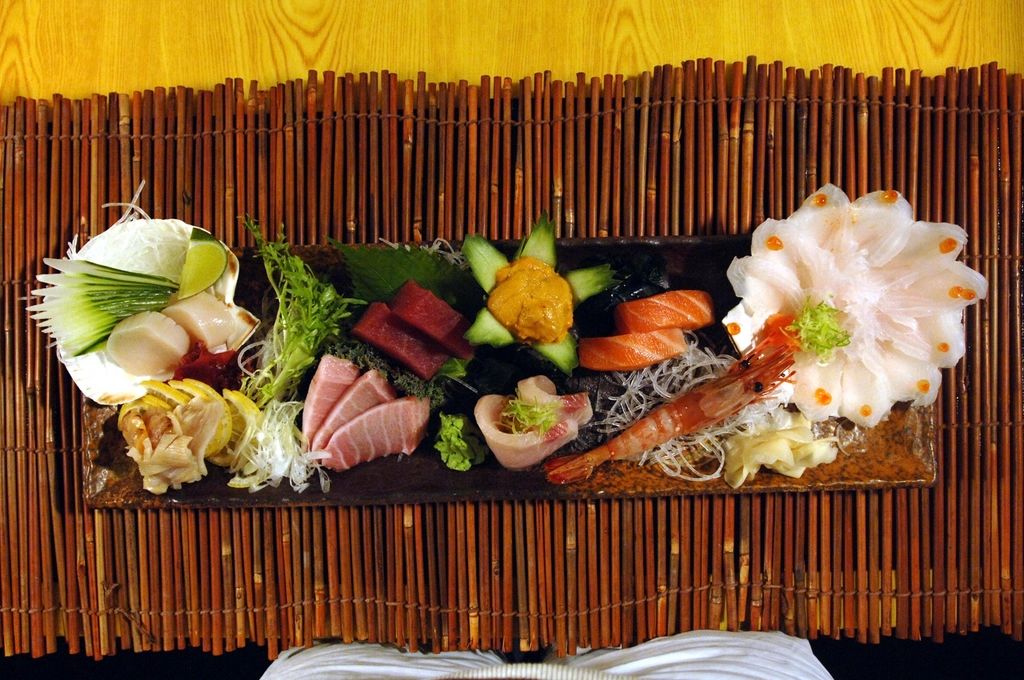
Exploring the Unique Flavors of Seasonal Omakase Menus

Discover how seasonal ingredients transform your omakase dining experience with unique flavors and presentations.
When it comes to the art of omakase, one of the most enchanting aspects is the use of seasonal ingredients. Each season brings a distinct collection of flavors, colors, and textures that can elevate your dining experience. In this article, we'll explore how seasonal menus play a role in omakase, what to look out for, and how to enjoy the freshest dishes available.
Understanding Seasonal Ingredients
Seasonal ingredients are key to traditional Japanese cuisine, emphasizing harmony with nature. By incorporating seasonal products, chefs highlight their connection to the land and the sea. Here’s a closer look at what makes these ingredients so special:
- Freshness: Seasonal ingredients are often harvested at their peak, resulting in enhanced flavors and textures.
- Aesthetic Appeal: Many seasonal ingredients showcase vibrant colors and shapes that enhance the visual presentation of dishes.
- Historical Significance: Utilizing local, seasonal ingredients reflects Japanese cultural practices that value simplicity and mindfulness.
Spring: A Time for Renewal
In spring, omakase menus often feature ingredients like sakura shrimp, bamboo shoots, and fuki (butterbur). These ingredients embody freshness and the promise of new beginnings:
- Sakura Ebi: These tiny, sweet shrimp are harvested in spring and bring a delicate flavor to sushi and salads.
- Bamboo Shoots: Tender and crunchy, they add an earthy flavor to dishes and pair perfectly with light sauces.
- Fuki: Known for its unique bitterness, this seasonal vegetable can enhance the complexity of a dish.
Summer: A Burst of Vibrant Flavors
Summer brings a bounty of refreshing ingredients. Expect dishes featuring items like sweet corn, tomatoes, and peaches:
- Sweet Corn: Often incorporated into sushi or served as a light side, it adds a pleasing sweetness to any dish.
- Tomatoes: Varieties like heirloom are shown off in sashimi-style preparations, showcasing their juicy texture.
- Peaches: Juicy and aromatic, they are a perfect addition to desserts and salads.
Autumn: Rich and Earthy Tones
As summer fades, autumn welcomes ingredients like matsutake mushrooms, chestnuts, and pumpkin:
- Matsutake Mushrooms: Renowned for their fragrance and rarity, these mushrooms offer a rich umami flavor.
- Chestnuts: A staple in many autumn dishes, their subtle sweetness adds depth to rice and salads.
- Pumpkin: Often seen in various preparations, its warmth and earthy sweetness are celebrated throughout the fall.
Winter: Celebrating the Heartiness of the Season
Winter menus often focus on heartier ingredients such as scallops, winter vegetables, and a variety of fish:
- Scallops: Sweet and tender, they can be prepared in numerous ways, showcasing their versatility.
- Daikon Radish: Commonly used in winter dishes, it provides a crisp texture and pairs beautifully with a variety of sauces.
- White Fish: Types such as cod or halibut are often highlighted for their delicate flavor and easy pairing with seasonings.
Tips for Enjoying Seasonal Omakase
Here are some helpful tips for making the most out of your seasonal omakase experience:
- Ask Your Chef: Don’t hesitate to ask the chef about the ingredients and the inspiration behind their seasonal offerings.
- Be Open-Minded: Seasonal menus may introduce unique flavors that you haven’t tried before—embrace the opportunity!
- Pair Wisely: Inquire about recommended pairings of sake or other beverages specifically suited to the seasonal ingredients.
By embracing seasonal menus, you can enrich your omakase experience and gain a deeper understanding of Japanese culinary traditions.