The Importance of Freshness in Omakase: What to Look For
Discover why freshness is key in omakase and how to identify it.
Understanding Freshness in Omakase
When it comes to the art of omakase, the most essential element is freshness. The quality of the ingredients directly influences the dining experience, making it crucial to know what to look for when indulging in this exquisite culinary journey.
Why Freshness Matters
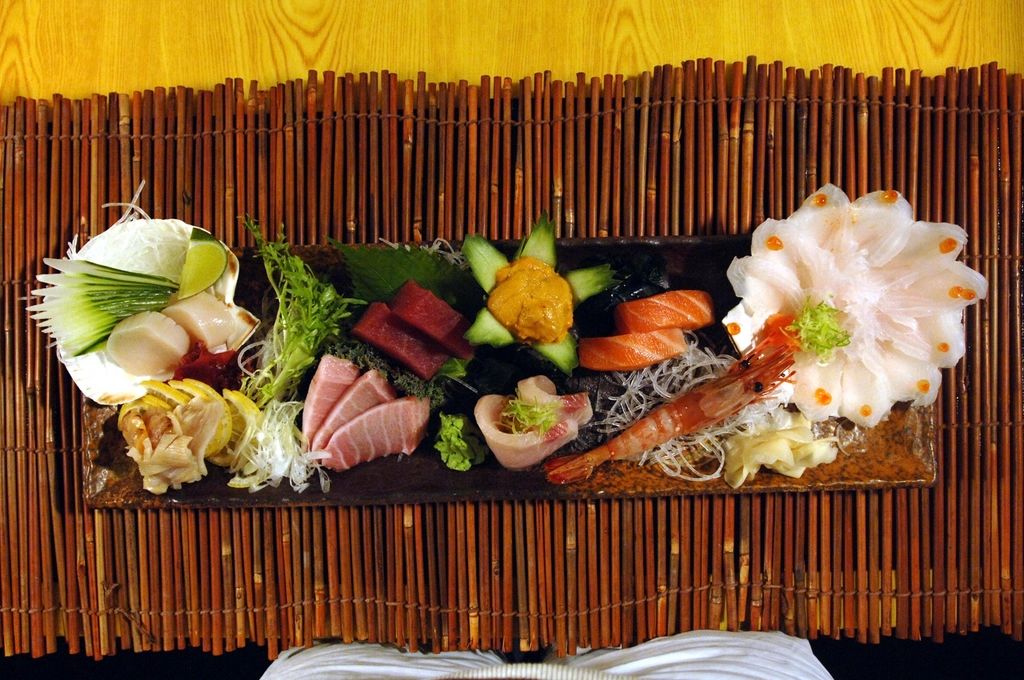
Fresh ingredients provide vibrant flavors and textures that enhance each dish's presentation. Whether it's sushi, sashimi, or other Japanese delicacies, eating fresh means appreciating the natural taste of the ingredients without overpowering seasonings.
Signs of Freshness to Look For
When selecting omakase offerings, consider these key indicators of freshness:
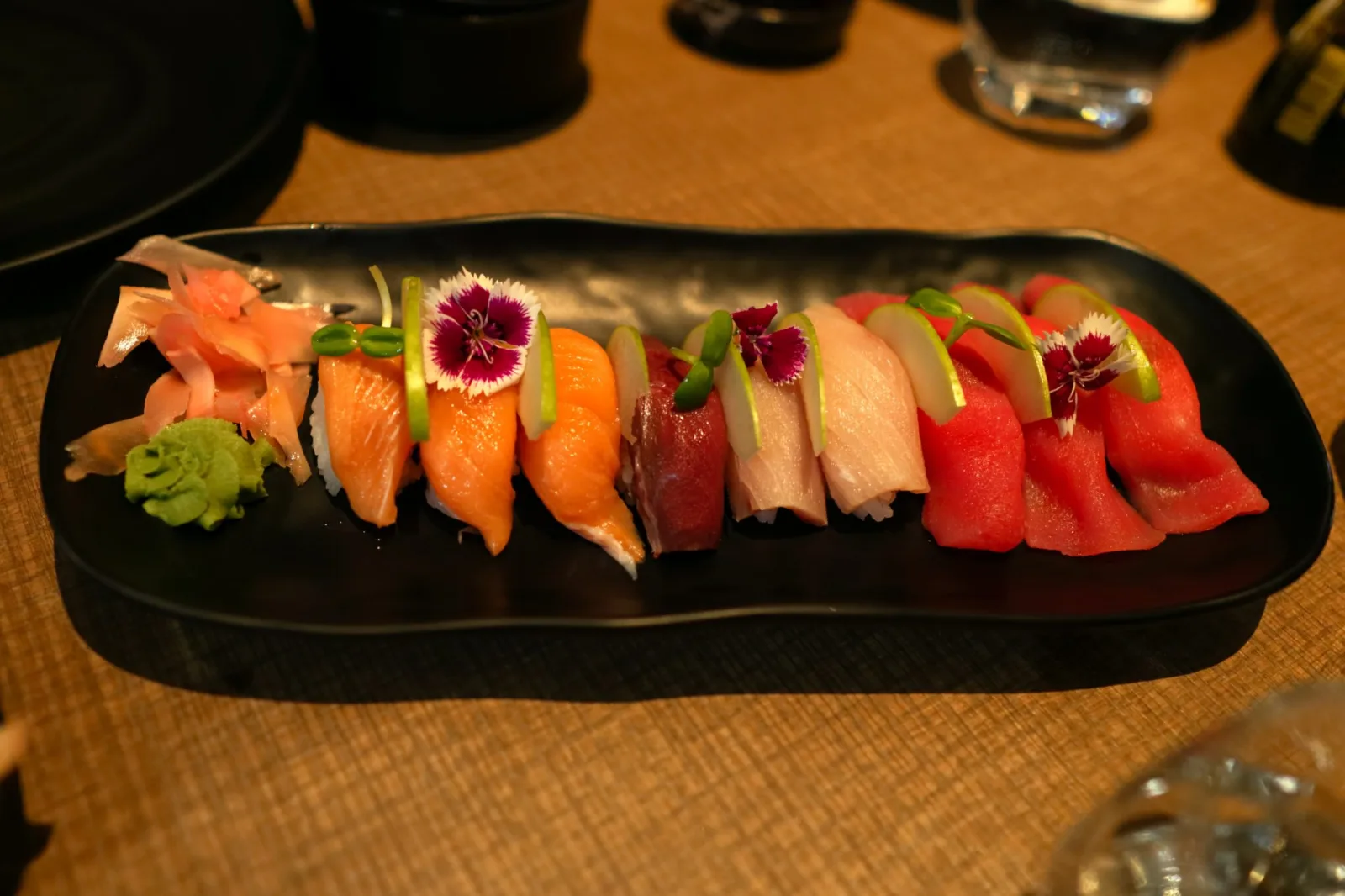
- Color: Fresh fish should exhibit vivid colors. For example, salmon should be a rich orange, while tuna should be bright red. Dull or faded colors can indicate age.
- Smell: Fresh seafood has a clean, ocean-like scent. An off or overly fishy odor is a sign that the products are not fresh.
- Texture: Fresh fish should feel firm to the touch. If it feels mushy or slimy, it is likely past its prime.
- Source: Ask about the origin of the ingredients. Fish caught on the same day or in nearby waters tends to be fresher than imported options.
Seasonal Considerations
Understanding seafood seasons can also enhance your omakase experience. Certain types of fish are more flavorful at particular times of the year. Here are a few seasonal highlights:
- Spring: This season often features sweet shrimp (ama ebi) and white fish like flounder and flatfish.
- Summer: Look for mackerel and sea bass as they thrive in warm waters, offering rich flavors.
- Autumn: Fatty fish like salmon become more abundant and flavorful, alongside delicate items like pike and golden eye snapper.
- Winter: The colder months are known for hoki and other rich-textured options that shine in colder temperatures.
Tips for Trying Omakase
When venturing to an omakase experience, keep these tips in mind to ensure you savor every bite:
- Trust the chef: Omakase translates to "I leave it up to you." Embrace the chef's expertise and choose to savor their selections spontaneously.
- Ask questions: Don't hesitate to inquire about the ingredients and preparation methods, allowing you to appreciate what's on your plate more thoroughly.
- Pace yourself: Omakase is designed to be a journey through flavors. Take your time to enjoy each course instead of rushing through them.
- Enjoy each piece as it comes: Savor each dish individually, taking a moment to appreciate its unique qualities before moving on to the next.
Conclusion
In the beautiful world of omakase, freshness is paramount. By knowing how to identify fresh ingredients and understanding seasonal variations, you can enhance your dining experience and truly appreciate the artistry involved in each dish. Whether dining out or preparing meals at home, prioritizing freshness will always be the key to an unforgettable journey through Japanese cuisine.