How to assemble a Japanese chirashi bowl at home
A practical guide for building a fresh, colorful chirashi sushi bowl at home, with tips, mistakes to avoid, and ingredient ideas.
Chirashi sushi might be the most forgiving and joyful way to enjoy sushi at home. It's a colorful bowl piled with seasoned rice and whatever toppings inspire you, from sashimi to fresh vegetables to a sprinkle of nori. The best part: you don't need special tools or perfect technique, just a bit of planning and a sense of fun.
Start with the right rice
Good chirashi starts with good rice. Use Japanese short-grain rice if possible. Some people use medium-grain, but the texture gets stickier and less distinct. Rinse the rice until the water runs almost clear. This step keeps the rice from turning gummy later. Cook it in a rice cooker or on the stove. When it's done, while it's still hot, season it with sushi vinegar (a mix of rice vinegar, sugar and salt). If you don't have premade sushi vinegar, it's easy to mix your own. Use a gentle tossing motion with a paddle or wide spatula so you don't crush the grains. Let the rice cool to room temperature, not straight from the pot, not fridge-cold.
Choosing fresh and safe toppings
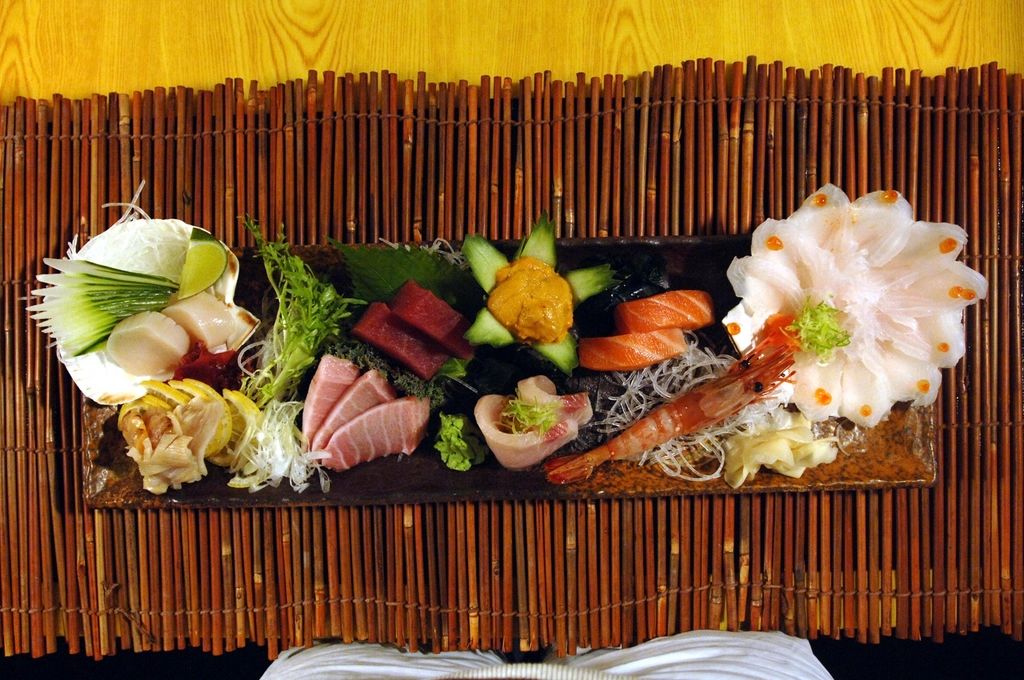
Chirashi is all about variety. Traditional versions lean on raw fish like tuna, salmon, shrimp, and tamago (sweet omelet). But you can use cooked seafood, vegetables, or even tofu if raw fish isn't your thing. When using sashimi-grade fish, buy from a trusted fishmonger and ask for cuts suited to eating raw. If you can't find sashimi-grade, lightly poached shrimp or cooked eel (unagi) are safe and delicious options. Slice fish against the grain and keep your knife wet so it doesn't stick.
Vegetables add crunch and color. Classic picks: cucumber (cut into thin sticks or rounds), avocado, pickled ginger, or blanched snap peas. For extra flavor, add a scatter of shredded nori, toasted sesame seeds or thinly sliced shiso leaves. I sometimes toss in a few pickled daikon strips or a spoonful of ikura (salmon roe) if I'm feeling fancy.
Assembly: order and technique
Spread the seasoned rice in a shallow bowl, not too deep. You want about an inch or so, so the toppings don't sink. Don't pack the rice too firmly. Arrange your toppings in sections, like a painter's palette or spokes on a wheel. If you're serving for a group, let everyone choose their own toppings. For one or two, arrange by color or ingredient, with the showiest pieces on top. I always put the fish on last, right before serving, so it stays cool and fresh.
The most common mistake is making the rice too early and letting it dry out. Cover it with a damp towel if you need to prep ahead. Another trap: overloading the bowl. It's tempting to pile on everything, but then the flavors get muddled. Less is usually more.
Finishing touches and serving
Drizzle a little soy sauce or brush some on the fish just before eating. A dab of wasabi or a sprinkle of furikake (Japanese rice seasoning) adds punch. Serve with pickled ginger on the side, not piled on top, so each bite is clean.
Chirashi is meant to be eaten with chopsticks, but honestly, no one will judge if you grab a spoon. It's a meal that rewards improvisation, and it's hard to mess up if you start with fresh ingredients and don't fuss too much. The real reward is the mix of flavors in every bite. On warm days, it's as satisfying and easy as Japanese food gets.