How to Create a Traditional Kaiseki Dinner at Home
Discover the art of crafting a beautiful and authentic Kaiseki dinner experience at home, with tips on presentation and seasonal ingredients.
Introduction to Kaiseki
Kaiseki is a traditional multi-course Japanese dinner that emphasizes seasonal ingredients, presentation, and the harmony of flavors. This culinary art form goes beyond mere sustenance; it is about experiencing the beauty and balance of food. Creating a Kaiseki dinner at home can be an enjoyable project that enhances your appreciation for Japanese dining.
Understanding the Structure of Kaiseki
A typical Kaiseki meal comprises several courses, each carefully curated to delight the palate and aesthetic sensibilities. While there is no strict formula, a traditional Kaiseki dinner usually includes:
- Sakizuke: An appetizer that sets the tone for the meal.
- Tasuke: A small side dish to complement the seasonal ingredients.
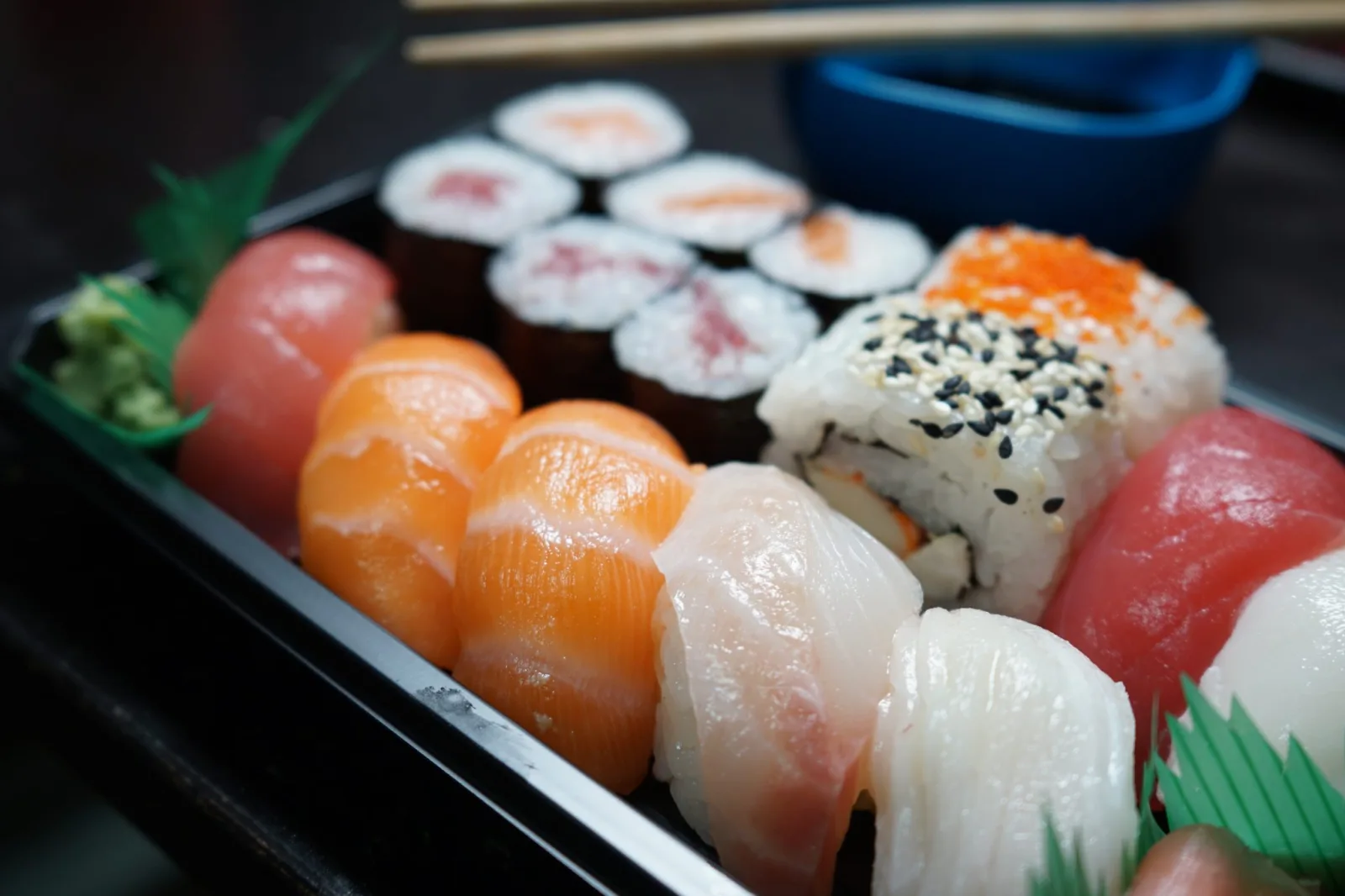
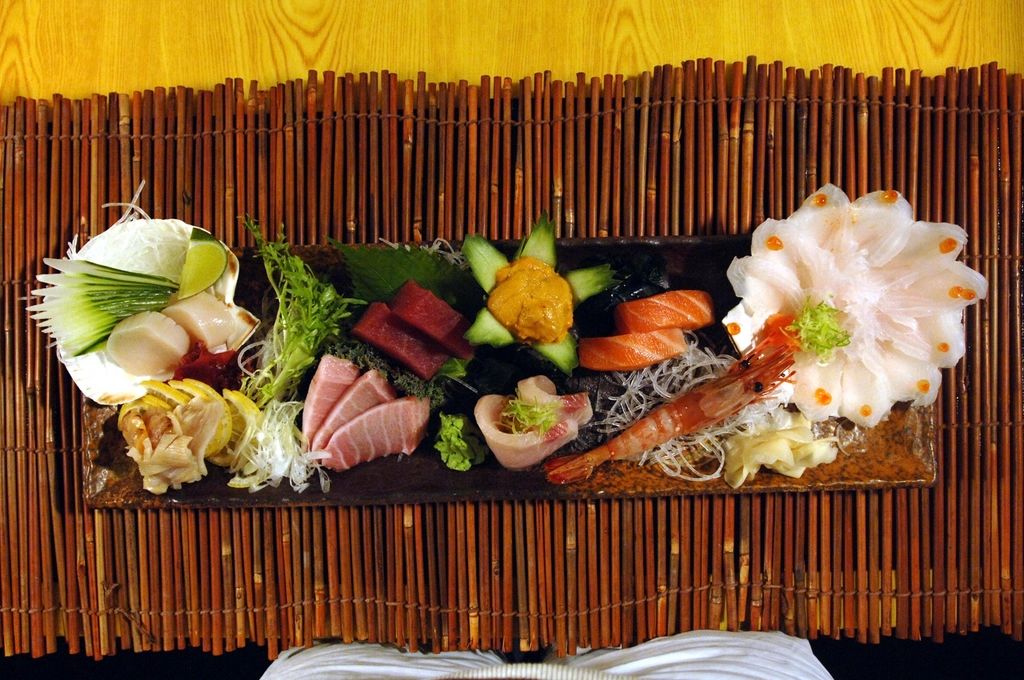
- Sashimi: Fresh slices of raw fish, often the star of the meal.
- Nimono: A simmered dish that highlights the flavors of seasonal vegetables.
- Grilled or Seared Dish: Typically fish or meat, grilled with care.
- Dojin: A soup course, often served in a delicate bowl.
- Rice and Pickles: A simple yet essential accompaniment.
- For Dessert: Traditionally a small sweet item or seasonal fruit.
Choosing Ingredients Wisely
Seasonality is key in Kaiseki cooking. Opt for fresh, high-quality ingredients that are in season. Here are some recommendations:
- Spring: Bamboo shoots, cherry blossoms, and fresh greens.
- Summer: Grilled fish, cucumber, and fresh fruits.
- Fall: Mushrooms, chestnuts, and pumpkin.
- Winter: Daikon radish, winter cabbage, and hearty fish.
Local markets or specialty Japanese grocery stores are great places to source these ingredients. Experimenting with different components can also make your Kaiseki dinner unique!
Mastering Flavors and Presentation
Balance is crucial in Kaiseki, not only in taste but also in visual appeal. Here are some tips for achieving both:
- Flavor: Aim for a seamless blend of sweet, salty, sour, and umami. Incorporate elements like soy sauce, mirin, and dashi for authentic taste.
- Texture: A variety of textures enhances the dining experience. Mix crispy, soft, and chewy components throughout the meal.
- Visual Appeal: Use rustic ceramics and lacquerware to serve. Arrange dishes artfully; consider colors, shapes, and height.
Textures and colors deliver not just culinary satisfaction but also visual pleasure, providing a feast for the eyes.
Setting the Mood for Dining
The atmosphere of your Kaiseki dinner is just as important as the food itself. Here’s how to create a serene setting:
- Table Settings: Use simple, natural elements like bamboo mats, or cloth napkins, and serve ware.
- Lighting: Dim lighting can create a calm ambiance. Soft candles or warm light sources enhance the experience.
- Music: Consider playing soft traditional Japanese music, which can enhance the peaceful, mindful dining experience.
Conclusion
Creating a Kaiseki dinner at home allows you to explore the richness of Japanese cuisine while honing your culinary skills. By focusing on seasonal ingredients, careful presentation, and a tranquil atmosphere, you can transform a meal into a deeply cultural experience. Enjoy the process as much as the delightful flavors that await!