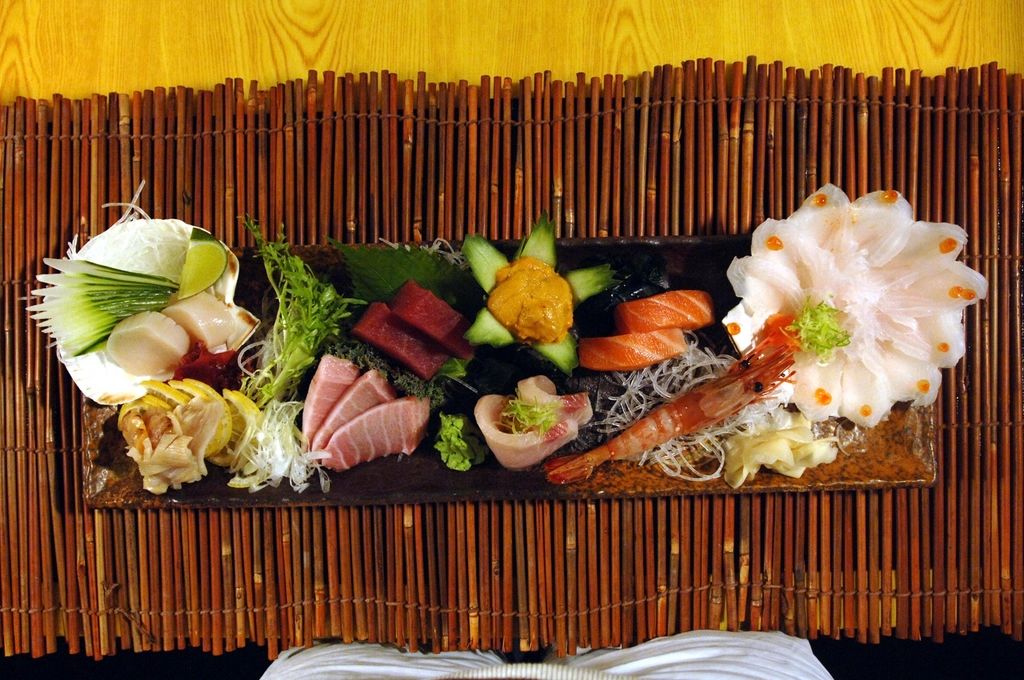
How to Create an Authentic Omakase Experience at Home

Transform your dining space into a sushi haven with this guide to creating an authentic omakase experience at home.
Creating an authentic omakase experience at home may seem daunting, but with the right ingredients and techniques, you can bring the essence of this traditional Japanese dining style to your own table. Omakase, meaning "I leave it up to you," invites chefs to craft a personalized meal using the finest seasonal ingredients. Here’s how to recreate that experience in your own home.
1. Set the Scene
A key to an enjoyable omakase experience is the ambience. First, clear your dining space and choose a table and seating arrangement that feels intimate yet comfortable. Adding subtle details, such as:
- Soft lighting: Use candles or dimmed lights to create a warm atmosphere.
- Traditional elements: Incorporate items such as a noren curtain, Japanese tableware, or a simple flower arrangement.
- Calming music: Play gentle Japanese or instrumental music to enhance the mood.
2. Select Your Ingredients Carefully
The quality of your ingredients will significantly influence the overall experience. Here are the essentials:
- Sushi-grade fish: Seek out fresh, high-quality fish such as tuna, salmon, and yellowtail from reputable sources.
- Seasonal vegetables: Include items like cucumber, daikon, and shiso leaves for added flavor and texture.
- Rice: Use short-grain sushi rice, seasoned with rice vinegar, sugar, and salt.
- Condiments: Offer soy sauce, wasabi, and pickled ginger on the side.
3. Prepare Your Omakase Menu
When planning your omakase menu, consider a sequence that showcases different tastes and textures. A typical progression might include:
- Appetizers: Start with a light dish such as chawanmushi (savory egg custard) or sashimi.
- Nigiri: Prepare several types of nigiri sushi, varying the toppings and pairing them with your rice.
- Specialty rolls: Create unique rolls that blend traditional flavors with your personal twist.
- Dessert: Conclude the meal with a light dessert, such as mochi or matcha ice cream.
4. Serve with Style
Presentation is key in an omakase experience. Here’s how to serve your meal:
- Plating: Use beautiful dishes and platters to showcase your dishes, allowing colors and shapes to shine.
- Pacing: Serve each course separately, giving guests time to savor and discuss each dish.
- Be mindful: Engage with your guests, explaining the choices you made and the significance behind certain ingredients.
5. The Final Touches
A successful omakase experience goes beyond just food. Here are final touches to keep in mind:
- Drinks: Pair your meal with sake, green tea, or even Japanese whisky to complement the flavors.
- Engagement: Encourage conversation and sharing thoughts on the dishes to mimic the communal feel of a traditional omakase setting.
- Cleanup: Keep the space peaceful after the meal; offer dessert and drinks while allowing guests to linger comfortably.
By meticulously preparing each stage of your omakase meal—from setting the table to selecting quality ingredients—you can recreate a delightful experience that rivals dining at a traditional restaurant. Enjoy the art of omakase at home, and allow your creativity to shine!