How to serve amazake: Japanese sweet sake for cozy nights
Amazake is a classic Japanese drink with a gentle sweetness. Here’s how to buy, warm, garnish, and enjoy it at home.
Amazake isn’t just a drink served at shrines on New Year’s Day. It’s been a comfort in Japanese homes for centuries, the kind of thing your grandmother might bring out when the air turns cold. There are a few ways to prepare it, and plenty of ways to mess up this simple drink. If you want something sweet, mellow, and just a bit nutty, here’s how to get it right.
Understanding amazake
There are two main types of amazake. The traditional version is made from fermented rice and koji. It’s naturally sweet, with no added sugar, and it’s almost always alcohol-free. You’ll sometimes see a version made with sake lees (the solids left after sake brewing) that can have a trace amount of alcohol and a sharper flavor. If you’re buying a bottle or powder, check the label, most amazake sold for home use is non-alcoholic, but not all.
I prefer the koji-based one for its creamy texture and gentle sweetness. Sake lees amazake can be grainier and sometimes carries a hint of yeast, which is nice if you like a little funk.
How to warm and serve amazake
Amazake is often served warm. That’s when the sweetness blossoms and the aroma fills the room. The most common mistake is overheating it. If it boils, it goes grainy and loses all its charm. Pour your amazake into a small saucepan. Heat gently over a low flame, stirring now and then. Once it’s steaming and just starting to bubble at the edges, it’s ready. Don’t let it go any further.
Some amazake comes concentrated. You’ll need to dilute it, usually with an equal amount of water. Add the water before you start heating, or you’ll have a mess.
Toppings and mix-ins
On its own, amazake is pleasant, but a few touches can make it special. I like a dusting of ground ginger on top. It gives a little heat that cuts through the sweetness. Some people stir in yuzu zest or a pinch of salt.
If you want to get playful, try these:
- Add a little kinako (roasted soybean flour) before serving for a toasty, nutty aroma.
- Drop in a few black beans or kuromame for color and bite.
- Stir in a small spoonful of anko (sweet red bean paste) for a dessert-like treat.
- For adults, add a splash of sake or a little rum for a grown-up version.
Serving cold amazake
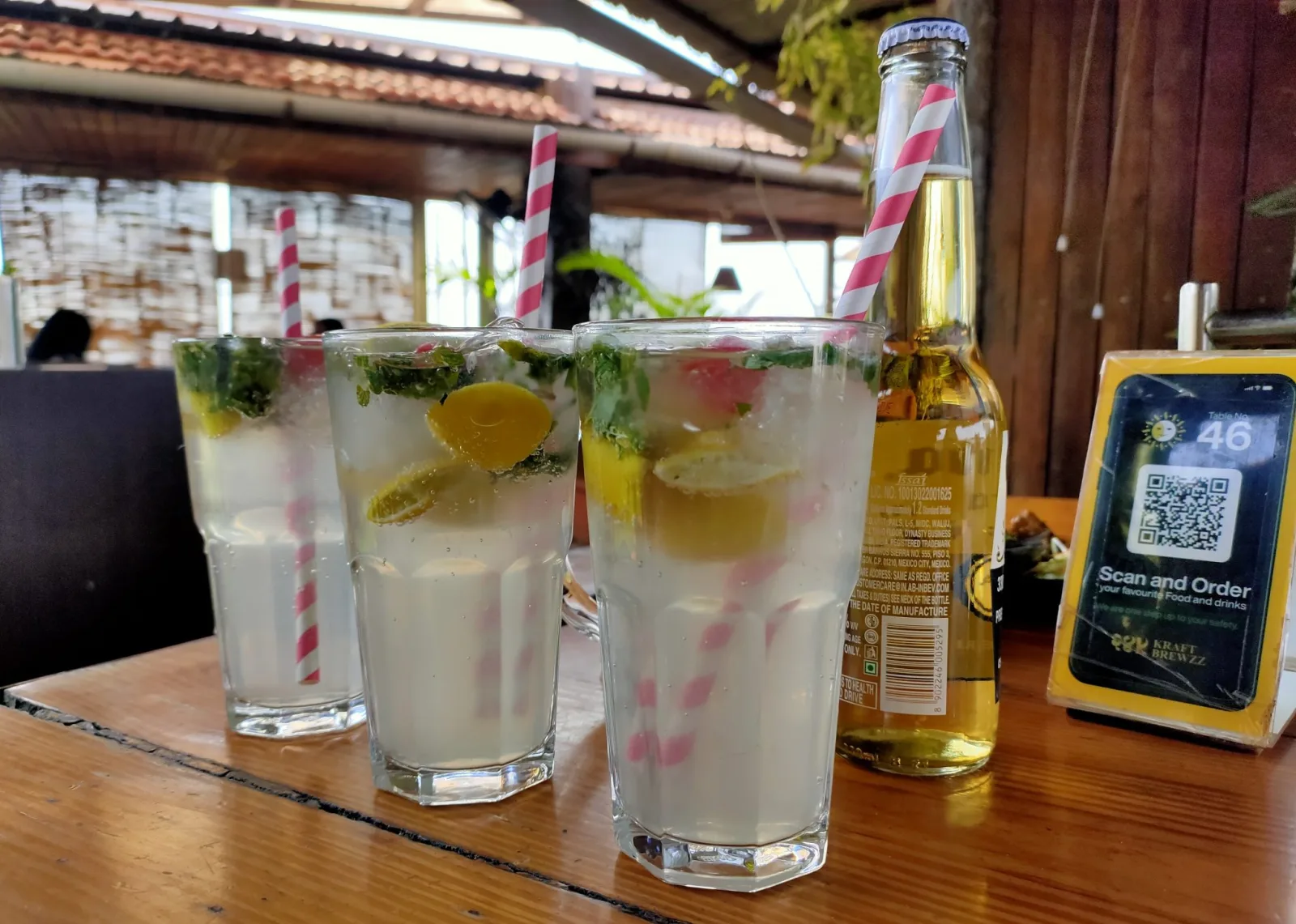
Amazake isn’t just for winter. In summer, cold amazake over ice is a classic street festival drink. You can chill it in the fridge and pour into a glass, or blend with ice for something closer to a smoothie. I sometimes add a slice of lemon or cucumber for a fresher edge. The cold version is usually a bit thinner than the warm, so diluting it slightly more can help.
How to store and use leftovers
Once opened, amazake keeps in the fridge for about three days. If it’s homemade, try to finish it the same day. The texture changes fast, and it can ferment further if left out. Leftover amazake is good in pancake batter, smoothies, or mixed with yogurt. Some people even use it as a natural sweetener in baking.
“I always keep a small jar in the fridge,” said one Tokyo home cook. “It’s my secret for soft bread and extra-fluffy pancakes.”