Mastering the Japanese Tea Ceremony: A Guide to Traditional Tea Drinks
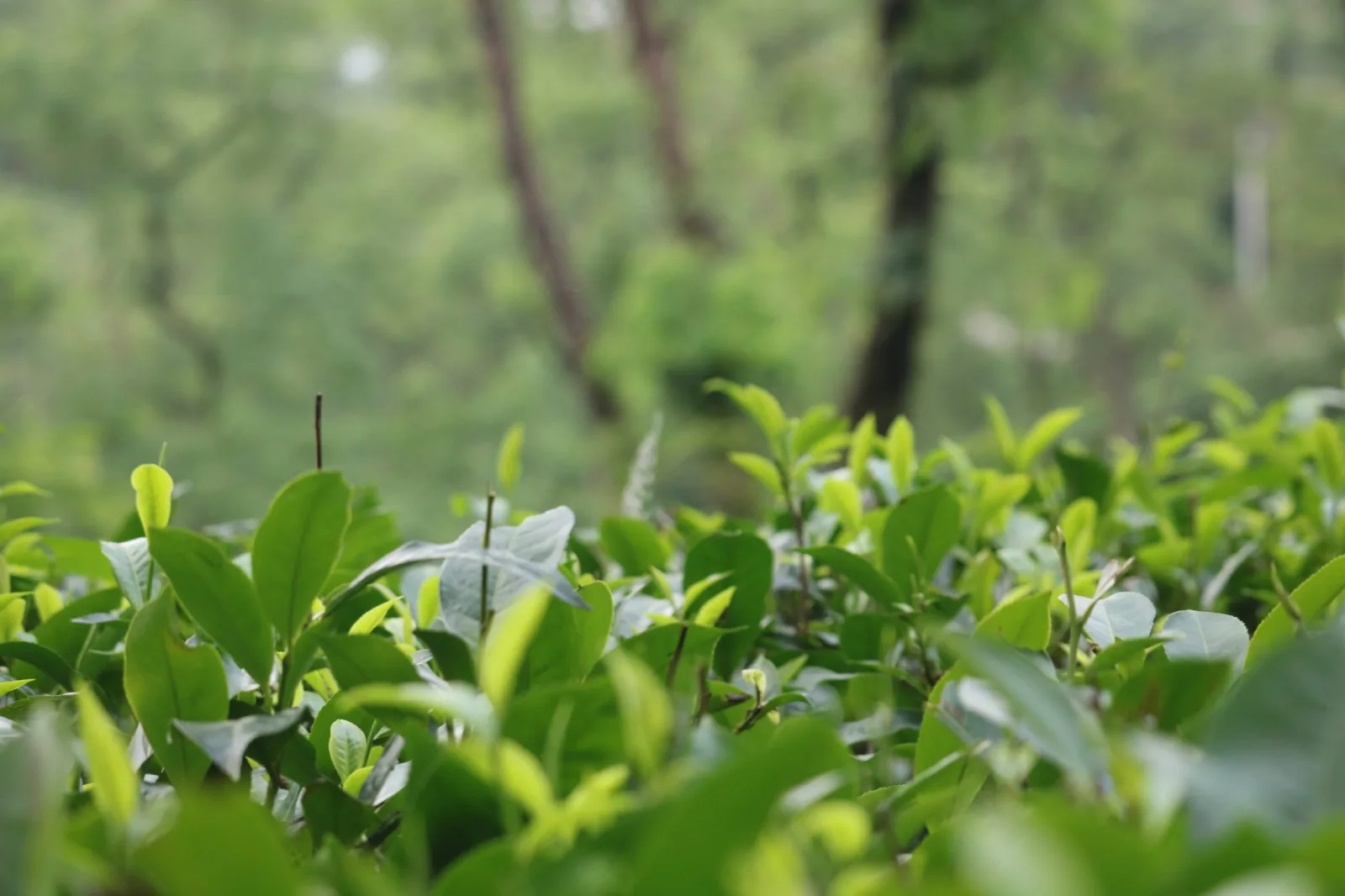
Explore the beauty of the Japanese tea ceremony and learn how to prepare and serve traditional Japanese teas.
The Japanese tea ceremony, or chanoyu, is a profound and artistic ritual focused on the preparation and consumption of tea. This guide will help you understand the intricacies of this tradition and introduce you to various traditional Japanese tea drinks.
Understanding the Japanese Tea Ceremony
The tea ceremony is more than just serving tea; it’s an art form that embodies harmony, respect, purity, and tranquility. Central to this practice is matcha, a finely ground powder made from specially grown green tea leaves.
Essential Tools for the Ceremony
To perform a traditional tea ceremony, you'll need a few essential tools:
- Chawan: The tea bowl where matcha is whisked and served.
- Chasen: A bamboo whisk used to mix the powder with water.
- Chashaku: A bamboo scoop to measure the matcha.
- Kama: A kettle for boiling water.
- Fukusa: A silk cloth used for purifying the tea utensils.
Steps to Perform the Ceremony
While the exact steps can vary, here’s a simplified version of how to conduct a traditional tea ceremony:
- Setup: Arrange the tatami mats, set the atmosphere with appropriate decor, and ensure all utensils are clean.
- Boil Water: Use the kama to boil water over a charcoal fire, paying attention to the temperature.
- Prepare the Matcha: Measure about 1-2 teaspoons of matcha into the chawan with the chashaku.
- Add Water: Pour hot water (ideally at around 175°F) into the bowl with matcha.
- Whisk: Use the chasen to whisk the matcha vigorously to create a frothy and smooth texture.
- Serve: Present the tea bowl to your guest, ensuring they hold it with both hands.
- Enjoy: Guests should appreciate the tea before taking a sip, reflecting on its taste and the experience.
Popular Japanese Teas
Besides matcha, there are several other traditional Japanese teas worth exploring:
- Sencha: The most common green tea, known for its fresh, grassy flavor.
- Gyokuro: A shade-grown green tea with a rich and umami flavor profile.
- Genmaicha: A blend of sencha and roasted brown rice, providing a nutty undertone.
- Hojicha: Roasted green tea, which has a unique smoky flavor.
Enjoying Japanese Tea Beyond the Ceremony
While the tea ceremony is a beautiful ritual, Japanese tea can also be enjoyed in everyday life:
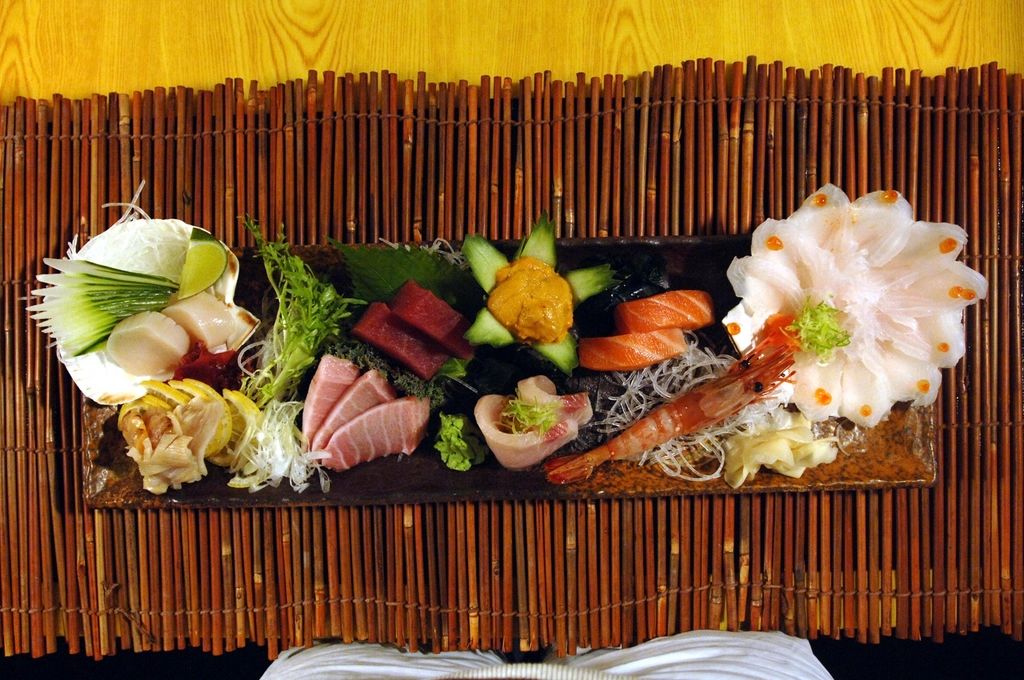
- Pair with Meals: Different teas can enhance the flavors of your meals. For instance, sencha pairs wonderfully with sushi.
- Cold Brew: Cold brewing Japanese teas can offer refreshing beverages during hot weather.
- Tea-infused Desserts: Experiment with matcha or hojicha in your baking for unique flavor profiles.
Mastering the Japanese tea ceremony and understanding traditional tea drinks can greatly enhance your appreciation for Japanese culture and cuisine. Whether you're hosting a ceremony or simply enjoying a cup at home, these practices and insights will allow you to immerse yourself in the tranquility that Japanese tea culture represents.