Navigating Omakase Courses: What to Expect on Your Plate
Learn what to expect in an omakase dining experience, from course structure to flavor profiles.
Understanding the Omakase Journey
Omakase, meaning "to entrust" in Japanese, offers a unique culinary adventure where the chef chooses the courses for you. If you're new to this dining style, it can seem daunting. However, exploring the different courses and their nuances can deepen your appreciation for this traditional Japanese experience.
The Structure of an Omakase Meal
An omakase meal generally consists of a series of carefully curated courses, each showcasing the chef's skills and seasonal ingredients. Here's a breakdown of what you might typically encounter during an omakase meal:
- Appetizers: These small dishes are often designed to awaken your palate, featuring delicate flavors and textures.
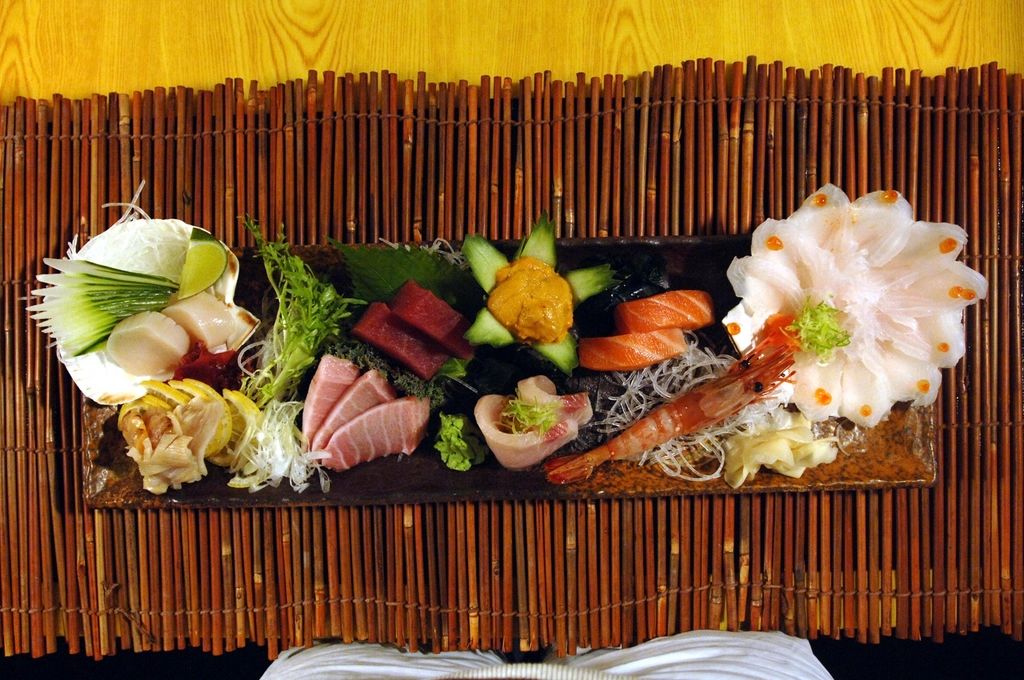
- Sashimi: Freshly sliced raw fish, sashimi is typically served without rice and allows you to enjoy the pure taste of the seafood.
- Nigiri: A staple in sushi dining, nigiri consists of molded rice topped with various fish or seafood, often presented in a simple yet elegant manner.
- Seasonal Specialties: Depending on the time of year, chefs may incorporate unique local ingredients and dishes that reflect the season.
- Desserts: To conclude your dining experience, expect a sweet treat that complements the flavors of the meal.
The Importance of Freshness and Quality
Each course of an omakase meal emphasizes the quality and freshness of the ingredients. Here are some key aspects to consider when assessing the freshness of your meal:
- Seasonal Ingredients: Chefs often select ingredients that are at their peak, providing the best flavor and texture.
- Source of Seafood: Ask the chef about the origin of the fish; many omakase chefs take pride in sourcing sustainable and high-quality seafood.
- Preparation Methods: How an ingredient is prepared can influence its freshness; look out for techniques that highlight natural flavors.
Some Popular Courses to Try
While each omakase experience is unique, here are a few popular courses you might encounter:
- Tuna Tartare: A refreshing blend of diced tuna that showcases the fish's natural flavor.
- Grilled Sea Bass: Often lightly seasoned, this dish offers a contrast to the raw dishes, showcasing intricate cooking skills.
- Uni (Sea Urchin): Served atop rice or alone, uni is a delicacy that many chefs use to demonstrate their expertise.
- Chawanmushi: This steamed egg custard is typically flavored with dashi, making for a creamy and savory course.
- Miso Soup: A warm and comforting finish that highlights umami flavors.
Enhancing Your Omakase Experience
Your adventure doesn't end with the food; consider the atmosphere and presentation. Here are some tips to enhance your meal:
- Engage with the Chef: Express your preferences and dietary restrictions to help the chef tailor your experience.
- Savor Each Course: Take your time to truly appreciate the flavors and aesthetics of every dish.
- Pair Wisely: If offered, consider your beverage options, as many chefs recommend specific drinks to enhance the tasting experience.
In conclusion, navigating an omakase meal can be an exciting journey filled with unexpected delights. Understanding the structure, importance of quality, and popular courses will help you make the most of your dining experience, turning each meal into a cherished memory.