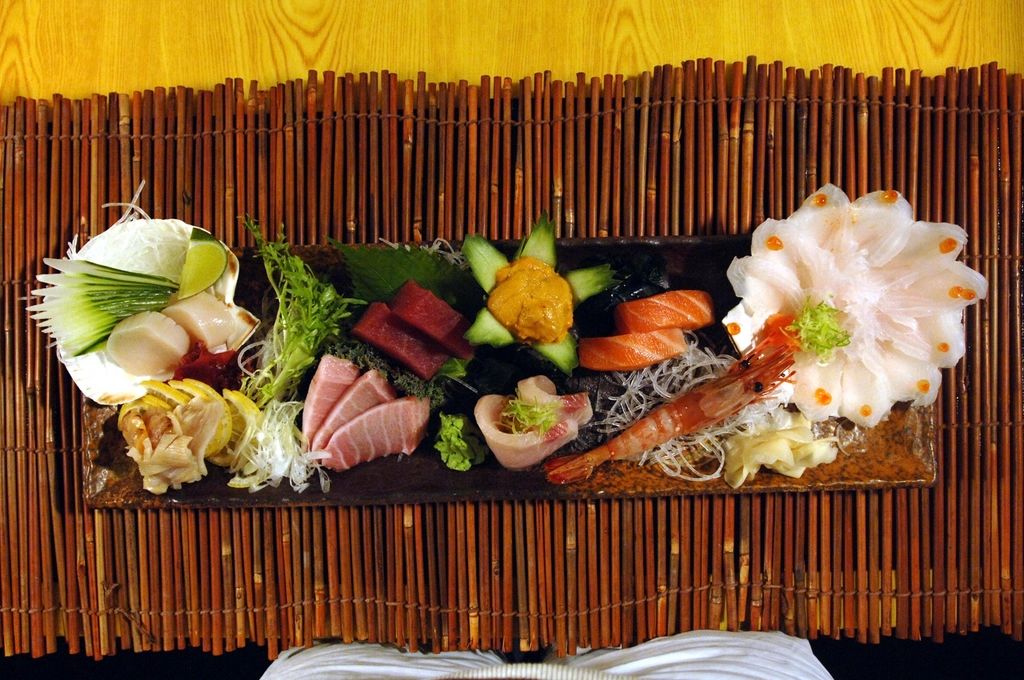
Understanding Japanese Omakase: A Step-by-Step Guide
Discover the ins and outs of enjoying a traditional omakase dining experience at home with this comprehensive guide.
Omakase, a word that means 'I leave it up to you,' is a unique dining experience often found in Japanese sushi restaurants. During an omakase meal, the chef prepares a series of dishes using the freshest ingredients. But how can you create this exhilarating experience at home? Follow our step-by-step guide to master the art of omakase.
The Essence of Omakase
The beauty of omakase lies in its spontaneity and personal touch, allowing the chef to showcase their skills and ingredients. This section explains the core elements:
- Seasonality: Emphasize seasonal ingredients to enhance freshness.
- Creativity: Each dish should reflect the chef's unique style and flair.
- Storytelling: Share a narrative about the dishes and ingredients to enrich the dining experience.
Choosing Your Ingredients
To embark on your omakase journey, sourcing the best ingredients is essential. Here are some key items to consider:
- Sushi Grade Fish: Look for fresh, high-quality fish like tuna, salmon, and yellowtail.
- Seasonal Vegetables: Find locally sourced or seasonal veggies to complement the fish.
- Rice: Use a high-quality short-grain rice, specially made for sushi.
- Accoutrements: Include items like wasabi, pickled ginger, and soy sauce for added flavor.
Preparing the Space
Your dining environment greatly impacts the omakase experience. Here’s how to create the right ambiance:
- Minimalistic Table Setting: Use simple ceramics or wooden dishes to highlight the food.
- Proper Lighting: Opt for soft lighting to create an intimate atmosphere.
- Seating Arrangement: Choose seating that allows guests to converse comfortably and enjoy the presentation of each dish.
Sculpting the Menu
An omakase menu varies in dishes, allowing for creativity and surprise. Plan a sequence that captivates your guest's palate:
- Start Light: Begin with lighter fare, such as sashimi or a small salad.
- Progress to Main Dishes: Feature more complex flavors, such as nigiri or grilled items.
- End with a Refreshing Dessert: Conclude with a light dessert, like mochi or fresh fruit, to cleanse the palate.
Serving and Presentation Tips
How you present your dishes can elevate the dining experience. Consider these serving tips:
- Serve in Courses: Present one course at a time to allow your guests to appreciate each dish fully.
- Garnishing: Use edible flowers, microgreens, or decorative herbs to enhance presentation.
- Timing: Serve dishes promptly while they are at their freshest for an unforgettable experience.
Enjoying the Experience
Finally, to make the most of your omakase meal:
- Engage with Guests: Encourage conversation and engagement about the food, asking for thoughts on each dish.
- Share the Story: As each dish is presented, share a brief story or background about it.
- Embrace Flexibility: Stay open to experimenting and adding your own twist to the experience.
Creating an authentic omakase experience at home can be both fulfilling and enjoyable. With careful planning, a focus on quality ingredients, and a welcoming ambiance, you can share the beauty of Japanese dining with your friends and family.