Understanding the Key Ingredients for an Authentic Omakase Experience
Discover the essential ingredients that make up an authentic omakase dining experience, from sushi rice to seasonal fish selections.
Introduction to Omakase Ingredients
Omakase is a culinary journey that highlights the chef's choice, presenting diners with a carefully curated selection of dishes. To fully appreciate this experience, it's important to understand the key ingredients that play a crucial role in creating exceptional omakase meals.
1. Sushi Rice (Shari)
The foundation of any sushi dish, sushi rice, or shari, is a crucial ingredient in omakase. It must be cooked to perfection—each grain should be sticky yet separate. The rice is commonly seasoned with a blend of rice vinegar, sugar, and salt, which adds depth and balance to the overall flavor of the sushi.
2. Fresh Fish and Seafood
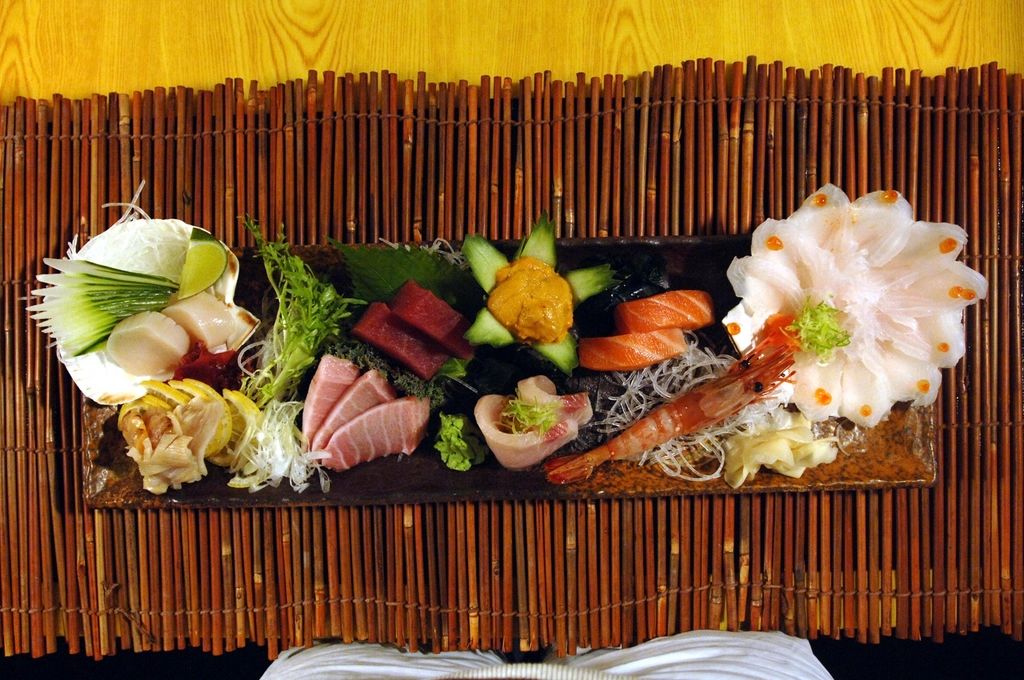
- Seasonal Selections: The choice of fish is paramount in omakase. Chefs usually select seasonal fish to highlight their freshness and flavor. Options may include tuna, salmon, yellowtail, and many more, depending on availability.
- Fish Cuts: Different cuts of fish offer unique textures and flavors. Sashimi may feature thicker slices, while sushi toppings might use thinner seared pieces.
3. Vegetables and Accents
While fish is the star of the show, vegetables also play a significant role in omakase. Seasonal vegetables like cucumber, radish, and lotus root are often used as garnishes or accompaniments. Additionally, ingredients like wasabi, pickled ginger, and shiso leaves can enhance the flavors of the main dishes.
4. Flavor Enhancers: Sauces and Seasonings
To elevate the dishes, chefs often use a variety of sauces and seasonings, including:
- Shoyu: A Japanese soy sauce that adds a savory umami flavor.
- Nikiri: A sweet soy sauce used sparingly to highlight the taste of sushi.
- Yuzu Kosho: A citrusy condiment that complements seafood perfectly.
5. Presentation and Serving
The aesthetic appeal of omakase is just as important as its flavor. Chefs often use ceramic plates, lacquerware, or wooden boards for serving. The arrangement and presentation of each dish is designed to be visually stunning, enhancing the overall dining experience.
Conclusion
Understanding the key ingredients of omakase can deepen your appreciation for this extraordinary Japanese dining experience. The careful selection and preparation of these elements contribute to the art of omakase, making each meal a unique journey of flavors and textures.