Exploring the World of Japanese Matcha: A Complete Guide
Dive into the rich culture of Japanese matcha, from its origins to brewing techniques and benefits.
Matcha has gained popularity around the world, thanks to its vibrant green color, unique flavor, and numerous health benefits. This fine powder made from specially grown green tea leaves has deep roots in Japanese culture. In this guide, we’ll explore everything you need to know about matcha—from its origins to preparation techniques and its various uses.
The Origins of Matcha
Matcha was originally brought to Japan from China in the early 12th century. It was primarily used by Zen Buddhist monks to stay alert during meditation and long hours of prayer. The process of making matcha involves shading the tea plants before harvest, which increases the chlorophyll concentration and gives the leaves their intense green color. After harvest, the leaves are steamed, dried, and ground into a fine powder.
Types of Matcha
Not all matcha is created equal. Here are the main categories:
- Ceremonial Grade: This is the highest quality matcha, made from the youngest leaves. It is vibrant green and has a naturally sweet flavor, making it perfect for traditional tea ceremonies.
- Premium Grade: Suitable for everyday tea drinking, premium grade matcha offers a good balance of price and quality. It is slightly less sweet but still rich in flavor.
- Cooking Grade: This matcha is best for culinary uses, such as baking, smoothies, or sauces. It has a more robust flavor and is generally less expensive.
Health Benefits of Matcha
Matcha is celebrated not just for its taste but also for its health benefits:
- Rich in Antioxidants: Matcha contains high levels of catechins, which can help reduce oxidative stress and improve overall health.
- Boosts Metabolism: Consuming matcha may enhance metabolism and aid in weight management.
- Enhances Focus: The amino acid L-theanine in matcha promotes relaxation without drowsiness, helping you stay focused.
How to Prepare Matcha
Preparing matcha can be a delightful ritual. Here’s a basic guide to making a traditional matcha drink:
- Measure 1-2 teaspoons of matcha powder into a bowl.
- Heat water to about 175°F (80°C). Do not use boiling water as it can burn the matcha.
- Pour a small amount of hot water over the matcha powder.
- Use a bamboo whisk (chasen) to mix in a circular motion until the matcha is fully dissolved and a frothy layer forms on top.
- Slowly add more water to taste, and whisk again to froth.
- Serve in a cup and enjoy!
Creative Uses for Matcha
While traditional matcha tea is delicious, there are various creative ways to include matcha in your diet:
- Matcha Lattes: Combine matcha with steamed milk (dairy or plant-based) for a creamy beverage.
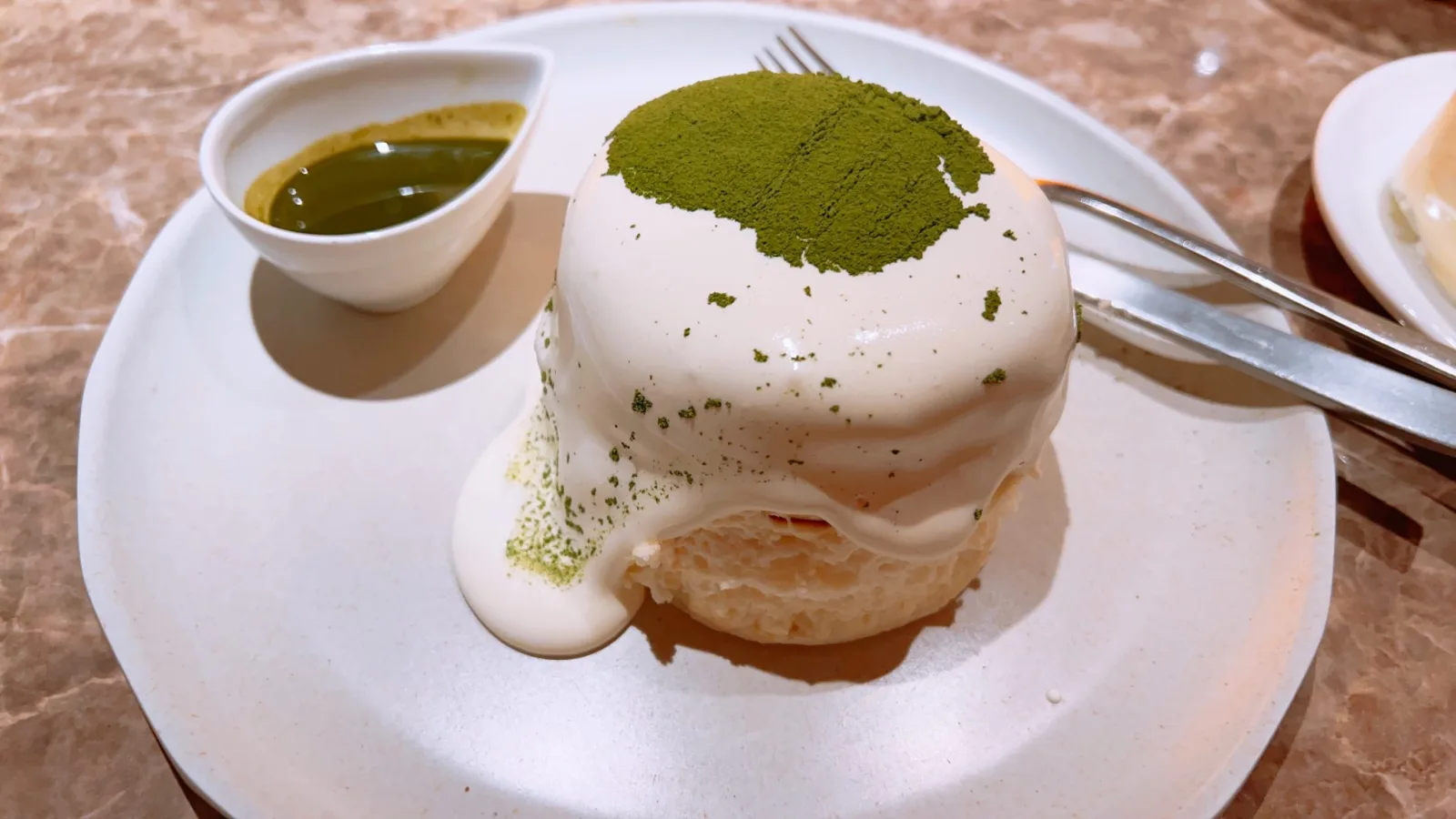
- Baking: Add matcha powder to cookies, cakes, or muffins for a unique twist.
- Smoothies: Blend matcha into your favorite smoothie for a nutritious boost.
- Mochi: Use matcha in the preparation of mochi for a delightful dessert.
Choosing Quality Matcha
When purchasing matcha, look for:
- Bright green color, indicating freshness and quality.
- Products labeled as “ceremonial” or “premium” for better quality.
- Organic certifications to ensure pesticide-free growing conditions.
Whether you’re brewing a cup for yourself or experimenting with recipes, matcha is a versatile and rewarding ingredient. Its rich flavor profile and health benefits make it a perfect addition to your culinary adventures.