The Art of Pairing Japanese Food with Sake: A Complete Guide
Unlock the secrets of pairing traditional Japanese dishes with the right sake for an elevated dining experience.
Introduction to Sake Pairing
Pairing food with the right beverage can elevate a meal to new heights, and when it comes to Japanese cuisine, sake is a classic choice. This guide will explore the art of pairing sake with popular Japanese dishes, making your culinary experiences even more delightful.
Understanding Sake Types
Before diving into pairings, it's essential to know the different types of sake. Here are the main categories you should be familiar with:
- Junmai: Pure rice sake, rich and full-bodied.
- Ginjo: Polished rice leads to a fruity and floral aroma.
- Daiginjo: Similar to Ginjo but with more polished rice, offering a refined taste.
- Namazake: Unpasteurized sake, typically more vibrant and fresh.
- Nigori: Cloudy sake that is coarsely filtered, often sweet and creamy.
Pairing Essentials: Flavor and Texture
When pairing sake with food, consider the flavors and textures involved. Here are some general guidelines to follow:
- Richness: Richer foods like fatty fish or creamy sauces pair well with full-bodied sake like Junmai.
- Delicacy: Light dishes, such as sashimi, shine with the subtle flavors of Ginjo or Daiginjo.
- Sour and Sweet: Dishes with a sweet or sour profile pair beautifully with Nigori due to its sweetness.
Specific Pairing Suggestions
Here are some perfect pairings to try with your next Japanese meal:
Sushi and Sashimi
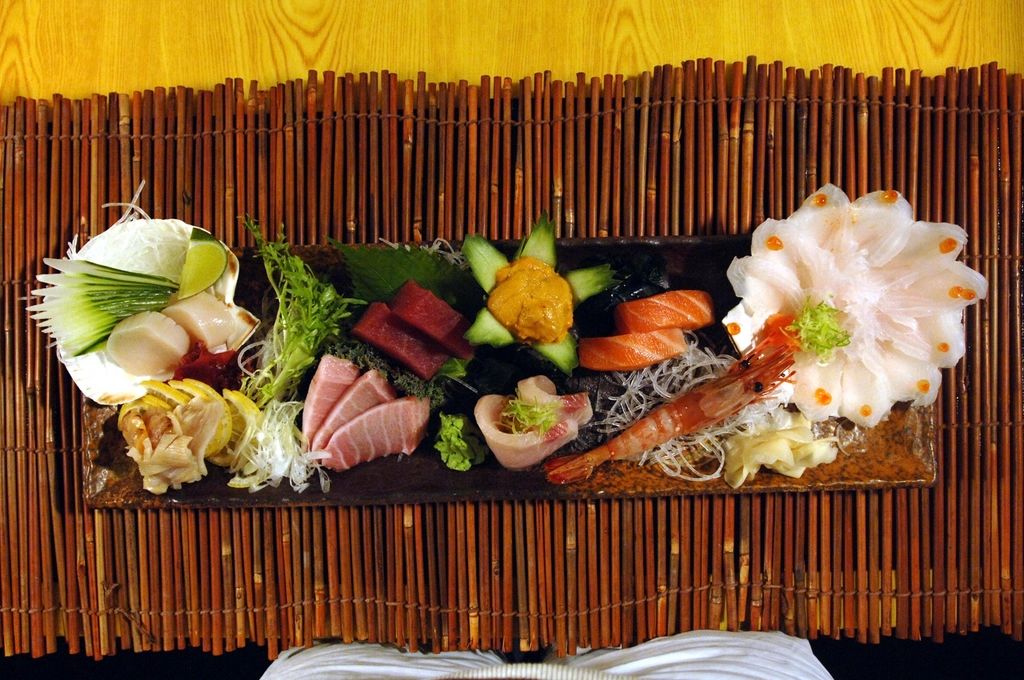
For sushi made with fresh fish, a crisp Ginjo sake is a match made in heaven. The fruity notes complement the delicate flavors of the fish without overpowering them.
Ramen
Hearty bowls of ramen, especially those with rich tonkotsu broth, find their best friend in a Junmai sake. This pairing enhances the umami flavors and provides a wonderful balance.
Tempura
The light, crispy nature of tempura is perfectly accompanied by a refreshing Daiginjo. Its clean finish can cut through the oiliness, enhancing the meal.
Grilled Meats
Grilled meats, such as yakitori, work well with a full-bodied Junmai or a smoky sake. The robustness of these sakes complements the charred flavors beautifully.
Desserts
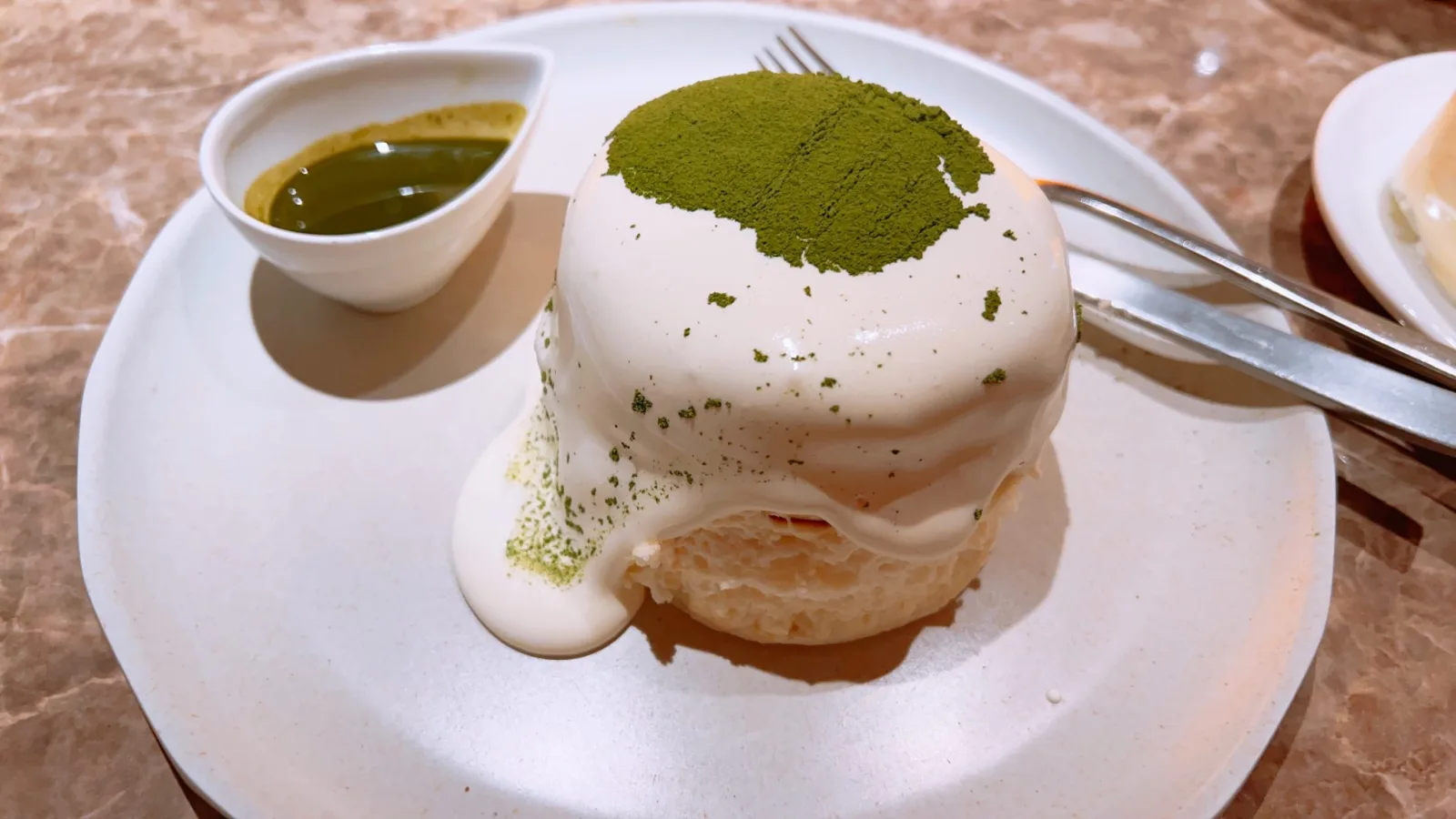
For sweet endings, try a chilled Nigori sake. Its creaminess and sweetness pair well with desserts like mochi or matcha ice cream.
Serving Tips
How you serve your sake is just as important as the pairing itself. Here are some tips:
- Temperature: Some sakes are best served chilled, while others reveal their flavors when warmed. Experiment to discover your preference.
- Glassware: Use small ceramic cups for traditional sake service or wine glasses to enhance aromas.
- Pacing: Enjoy sake slowly with your meal, taking time to appreciate the flavors with each bite.
Conclusion
Pairing sake with Japanese cuisine is an art that can enhance your dining experience. By understanding the types of sake and following these pairing guidelines, you’ll transform ordinary meals into extraordinary culinary journeys. Whether you’re a seasoned connoisseur or just beginning your sake adventure, experimenting with different combinations can be a fun and delicious way to explore the world of Japanese food.