How to serve Japanese sashimi at home: tips for buying, slicing and plating

A practical guide to preparing, slicing and presenting sashimi at home, including fish selection and plating tips.
Serving sashimi at home feels intimidating if you haven’t done it before. Raw fish, sharp knives and the expectation of perfect slices can stop anyone in their tracks. But with a bit of planning and a steady hand, it’s possible to create a sashimi platter at home that looks and tastes right.
Picking your fish: freshness is king
The main thing with sashimi is freshness. You want fish that was handled for raw eating from the start. Don’t pick up any fillet at the supermarket and assume it’ll be safe. Ask for fish marked as sashimi or sushi grade. If there’s a Japanese market nearby, start there. If not, talk to a fishmonger and make it clear you’re eating it raw. Don’t be shy about asking when it arrived or how it’s been stored.
Some fish work better for sashimi at home. Salmon and tuna are popular because their texture holds up and they’re less likely to have small bones. Snapper and yellowtail are also good picks, but the flesh is a bit softer and trickier to slice without practice. Shellfish like scallops, amaebi (sweet shrimp) and octopus are less of a headache since they don’t need scaling or complex prep. Start with what you’re comfortable handling.
Tools you actually need
You don’t have to buy a specialty sashimi knife unless you plan on doing this often. A sharp, thin-bladed chef’s knife or slicing knife works if you keep it very sharp. I use a basic whetstone at home and always sharpen right before slicing sashimi.
Have a clean towel, a cutting board (ideally one you reserve for fish) and a bowl of ice water to keep the fish chilled if you’re prepping more than one kind. Clean hands and a tidy space are more important than fancy gear.
How to slice and arrange sashimi
Take the fish out of the fridge just before cutting. Use a paper towel to blot off any excess moisture. Place the fillet skin side down if it’s still attached, and cut away any skin with smooth cuts, not sawing motions. Remove pin bones with clean tweezers if needed.
Cut against the grain of the flesh. The slices should be about half a centimeter thick, thin enough to eat in one bite but not so thin that they flop over. Angle the knife and pull it toward you in one clean motion, letting the blade do the work. Don’t push down hard or hack back and forth. The slices should look smooth, not ragged.
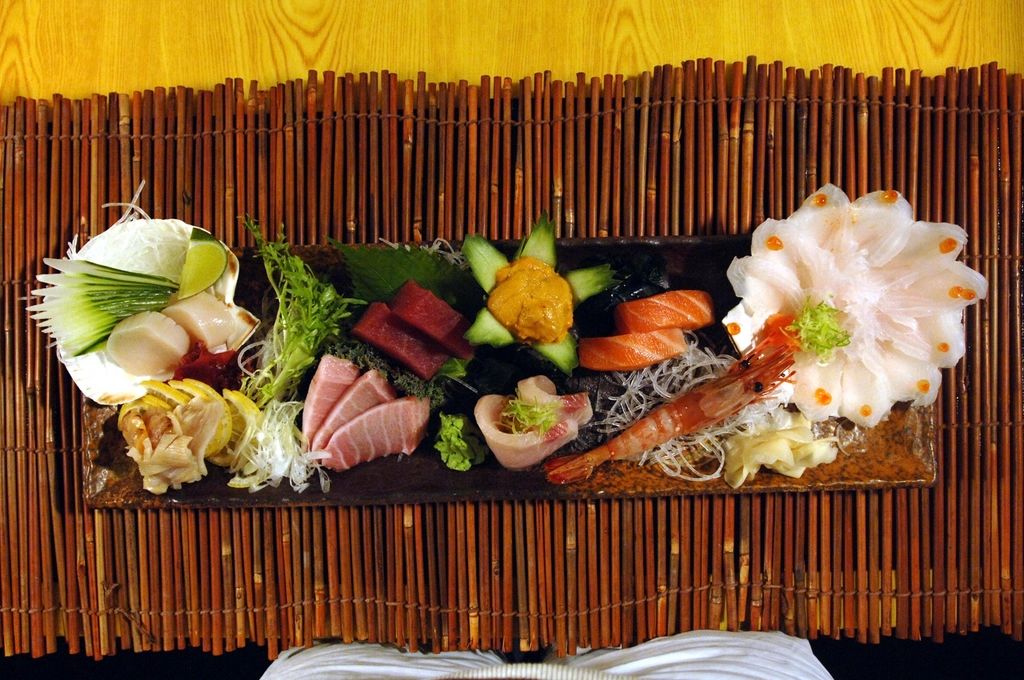
Classic sashimi slices are either rectangular (for tuna or salmon) or slightly fanned (for white fish). For scallops, slice them horizontally into two or three rounds. Arrange your slices slightly overlapping, fanned out, or upright against a bundle of shredded daikon if you have it. Don’t crowd the plate.
Finishing touches and what not to forget
A little effort in presentation goes far. Use a chilled plate if possible. Garnish with shiso leaves, thin lemon slices, or daikon radish for the classic look. Wasabi and soy sauce are a must, and a small dish for dipping keeps things tidy. Some people like a sprinkle of toasted sesame seeds or a few slivers of green onion for color. Keep the flavors simple and fresh.
Don’t let the sashimi sit out for long. If you’re making a big platter, keep half the fish in the fridge and replenish as needed. Sashimi should be eaten soon after it’s sliced. Leftovers don’t keep, the texture and flavor go downhill fast.
Mistakes to avoid
- Don’t buy pre-sliced fish from a regular market. It dries out and picks up unwanted flavors.
- Don’t freeze then thaw regular fish for sashimi, the texture turns mushy. Only freeze if the supplier recommends it for parasites, and follow instructions exactly.
- Don’t overdo the soy sauce. A little dip is plenty; drowning the fish covers up the clean flavors.
- Don’t put wasabi inside the soy sauce dish. Place a dab directly on each slice or on the side.
Try serving sashimi with cold sake or good green tea. Some home chefs go all out with bamboo leaves or even edible flowers. I prefer to keep it simple so the fish speaks for itself.
Once you serve sashimi at home, you’ll notice how much comes down to freshness and care. The rest is practice. If your first slices aren’t perfect, don’t worry. The fish matters more than the shape.