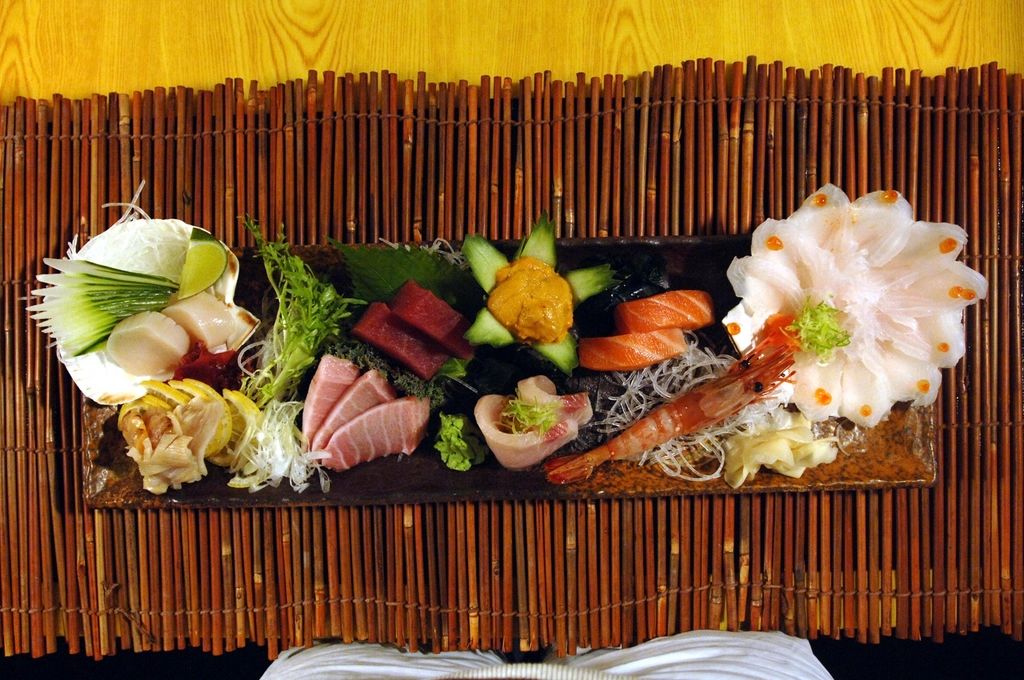
Sushi Rice (Shari): Why Omakase Chefs Season It So Carefully
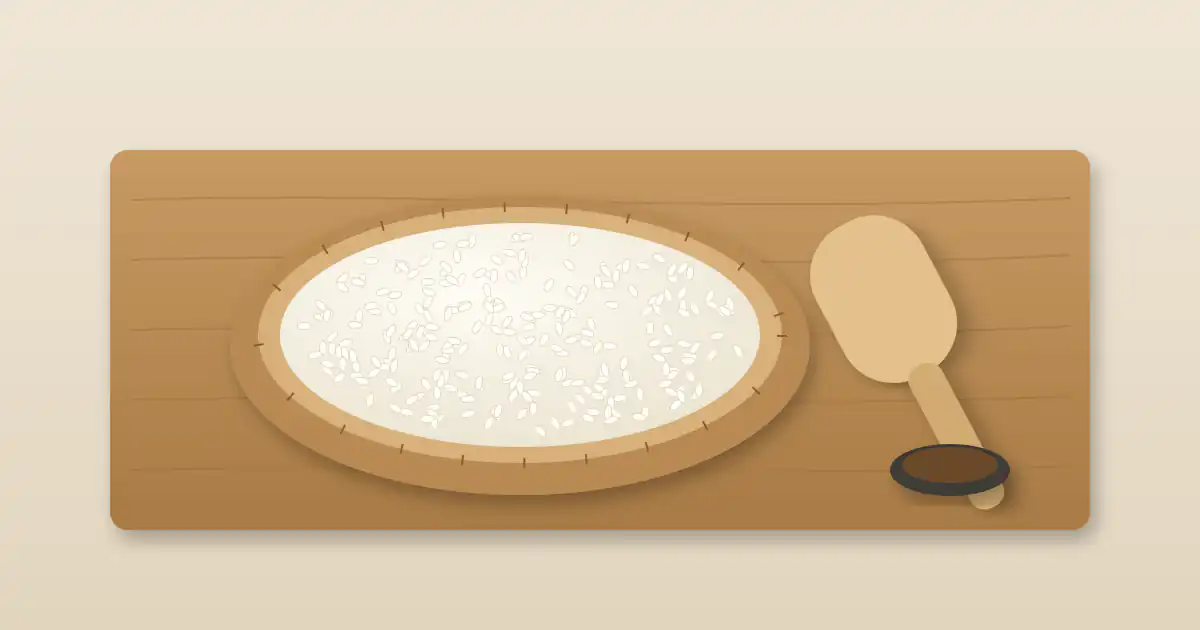
The rice under the fish is where a sushi chef's skill really shows. How shari is seasoned, why it's served warm, and what to notice at the counter.
At an omakase counter, most diners watch the fish. But ask any sushi chef where their skill really shows and many will point to the rice. Sushi rice, or shari, is seasoned, held and shaped with as much care as the topping, and its temperature, balance and texture change how every piece tastes.
Here is what is happening under the fish, and what to look for next time you sit down.
What is shari?
Shari is the Japanese word for sushi rice. It isn't simply steamed rice left to cool. Short-grain rice is cooked slightly firm, turned out into a wide wooden tub called a hangiri, and seasoned while still hot with awasezu, a mixture of vinegar, salt and usually a little sugar. The chef cuts the seasoning through with a paddle rather than stirring, so the grains stay whole and separate, and the wood draws off excess moisture.
How sushi rice is seasoned
Balance is everything. Too much vinegar and delicate fish is overpowered; too little and the piece tastes flat and heavy. Every counter has its own recipe, and some chefs adjust it through the year as the fish changes.
- White rice vinegar gives a clean, bright shari that suits lighter fish.
- Red vinegar (akazu), made from aged sake lees, is used at many traditional Edomae counters. It tints the rice a pale amber, adds a deeper, rounder flavour and often needs less sugar.
- Salt sharpens the seasoning and holds it together, while sugar softens the acidity.
If you want to know more about the old Tokyo style behind red-vinegar rice, start with our guide to Edomae sushi for the first-time guest.
Why sushi rice is served warm
One detail that surprises many people: good sushi rice isn't served cold. At a traditional counter the shari is kept close to body temperature, often in a covered container, so it is warm when it meets the fish.
Warm rice is softer, more aromatic and releases its seasoning as you eat. It also plays against the cool fish on top, which is part of what makes a piece at the counter taste so different from sushi that has been refrigerated. It is the same reason each piece is meant to be eaten as soon as it is set down.
Why the chef shapes nigiri by hand
Watch the chef's hands and the shaping looks effortless. A small portion of rice is pressed with a few precise movements and joined to the topping in seconds.
The aim isn't a compact rice ball. The piece needs enough structure to hold together on its way to your mouth, yet it should loosen as soon as you bite. Too much pressure makes it dense and gluey; too little and it falls apart. Getting that balance right takes years, which is why apprentices traditionally spend a long time preparing rice before they are trusted with fish.
How rice and fish work together
Excellent fish alone doesn't make excellent sushi. The rice brings acidity, salt, warmth and texture; the fish brings fat, sweetness, salinity and aroma. The chef's job is to bring them into balance in a single bite.
That is why a change in the shari can change the character of a whole meal, and why some chefs say the rice matters more than the fish. It is also why the wasabi goes between the two: like freshly grated wasabi, it is there to join them, not to sit on top.
What to notice at the counter
- Temperature: is the rice warm against the cool fish?
- Colour: a faint amber tint usually means red vinegar.
- Texture: does the piece hold together in your fingers but fall apart gently in your mouth?
- Seasoning: can you taste the vinegar and salt without either taking over?
Frequently asked questions
What is the difference between sushi rice and regular rice?
Sushi rice is short-grain rice cooked slightly firmer than usual and seasoned with vinegar, salt and sugar while it is hot. Regular steamed rice is unseasoned.
Should sushi rice be served cold?
No. At a good sushi counter, shari is served close to body temperature. Cold rice turns hard and loses its aroma and flavour.
What vinegar is used for sushi rice?
Most sushi rice is seasoned with white rice vinegar. Many traditional Edomae counters use red vinegar (akazu), made from sake lees, for a deeper flavour and a light amber colour.
Taste the difference at home
The next time you sit at a counter, look at the rice before you look at the fish. It is a small detail doing a great deal of work. To try it at home, our Omakase Sushi Box is made to order with rice seasoned in house and fish bought at the morning market.