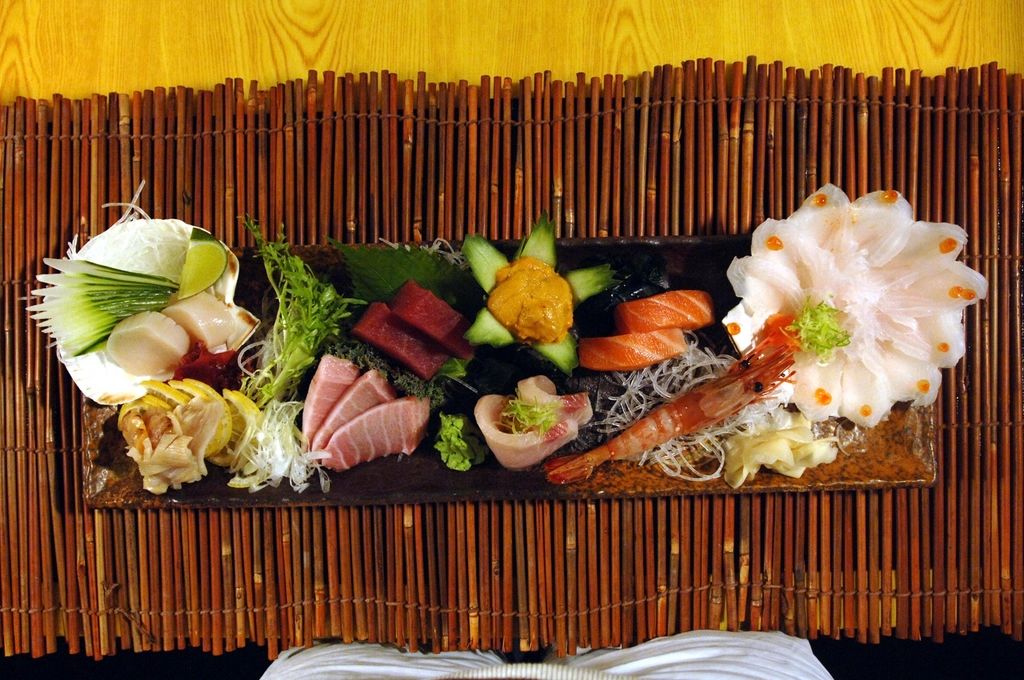
The Art of Selecting Sake for Your Omakase Experience
Discover how to expertly choose the perfect sake to elevate your omakase meal.
Understanding Sake: A Brief Overview
Sake, often referred to as rice wine, is a traditional Japanese alcoholic beverage made by fermenting rice. This drink has a unique flavor profile that can enhance various types of dishes, especially the delicate flavors found in omakase meals.
Before diving into the selection process, it’s essential to understand the different types of sake available, as each offers distinct characteristics and serves varying culinary purposes.
Types of Sake
- Junmai: Pure rice sake without added alcohol, known for its rich and full-bodied flavor.
- Honjozo: Made with a small amount of distilled alcohol, offering a lighter flavor profile.
- Ginjo: Sake that uses rice polished to 60% of its original size, providing fruity and floral notes.
- Daiginjo: A premium version of Ginjo, it is polished to at least 50%, resulting in a refined and aromatic taste.
- Namazake: Unpasteurized sake that retains a fresh and lively flavor, usually best served chilled.
Pairing Sake with Omakase
When selecting sake for your omakase experience, consider the flavors and textures of the dishes being served. Here are key tips on pairing:
- Match Intensity: Choose sake that complements the intensity of the dish. For lighter seafood, opt for chilled Ginjo or Daiginjo. For richer flavors like grilled meats, Junmai is an excellent choice.
- Consider Temperature: Sake can be enjoyed chilled, at room temperature, or warmed. Experimenting with temperature can significantly impact the taste experience. Pair chilled sake with delicate fish and warm sake with heartier dishes.
- Balance vs. Contrast: You can either balance the flavors of the dish with sake having similar notes or create a stark contrast. For example, pairing a sweet sake with spiced dishes can enhance the overall tasting journey.
Tasting Suggestions for Your Omakase Meal
To make the most out of your sake tasting during an omakase meal, consider the following:
- Start Light: Begin with lighter sakes and gradually move toward richer varieties to avoid overwhelming your palate.
- Take Notes: Keep a note of your favorites and the dishes that paired well with them for future reference.
- Ask for Recommendations: Don’t hesitate to ask your omakase chef or server for their sake suggestions that can enhance your dining experience.
Serving Sake: Etiquette and Tips
Proper serving and drinking etiquette can elevate the omakase experience. Here are some guidelines:
- Pouring: When pouring sake for someone else, hold the bottle with both hands as a sign of respect.
- Receiving: Hold your cup with both hands when receiving a pour, indicating appreciation.
- Serving Temperature: Ensure the sake is served at the appropriate temperature to retain its flavor profile.
Choosing the right sake can significantly enhance your omakase experience, creating a harmonious blend of flavors. By understanding the types, pairing suggestions, and etiquette, you’ll be well on your way to savoring a delightful dining journey.