The Essential Guide to Tasting and Enjoying Omakase

Discover how to fully appreciate every aspect of your omakase meal with this comprehensive tasting guide.
Omakase, meaning 'to entrust' in Japanese, is a dining experience unlike any other. It invites you to place your culinary fate in the hands of the chef, who curates a selection of seasonal dishes, often featuring the freshest fish and exquisite flavors. To truly enjoy this extraordinary dining experience, it’s important to know how to approach the tasting process. In this guide, we’ll explore various techniques and tips for savoring your omakase meal to the fullest.
Understanding the Omakase Experience
Before diving into the tasting method, it’s essential to grasp what omakase entails. It isn’t merely a meal; it’s an art form. Each course is thoughtfully created to showcase the chef's skills and the season's best ingredients. When you choose omakase, you accept an invitation to embark on a culinary journey where flavors unfold gradually.
Preparing Your Palate
To enhance your omakase experience, preparing your palate is crucial. Here are some steps to follow:
- Try to arrive hungry: An empty stomach allows you to appreciate the variety of flavors.
- Minimize strong tastes before the meal: Avoid coffee, gum, or heavy perfumes that could interfere with your taste buds.
- Stay hydrated: Drink water before arriving to cleanse your palate for the experience ahead.
Engaging the Senses
During your omakase meal, it’s vital to engage all of your senses. Here’s how:
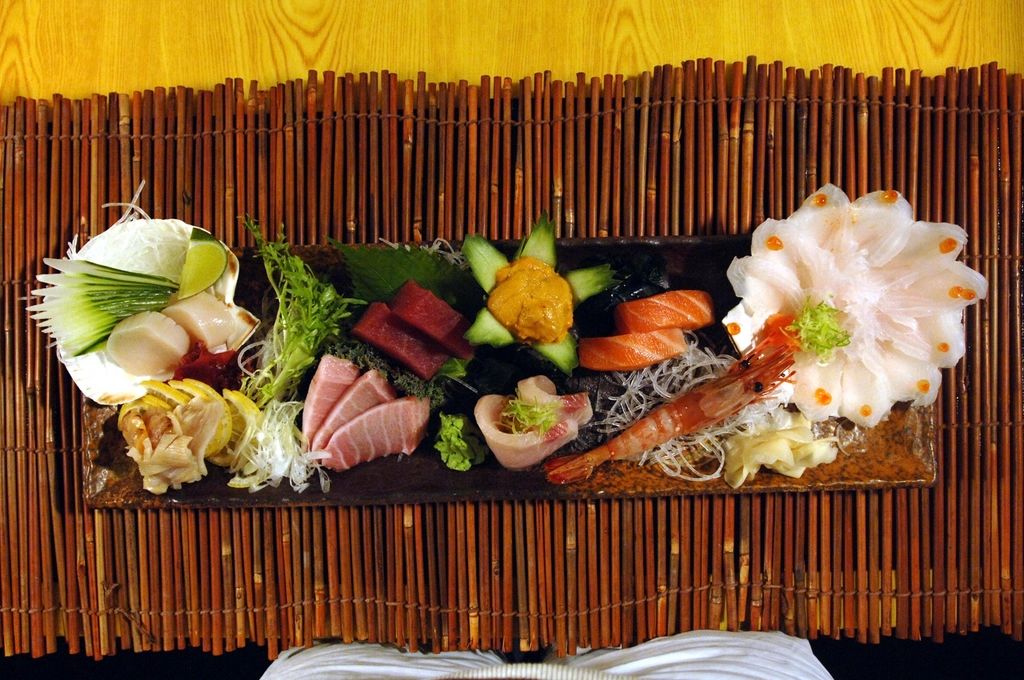
- Observe: Take a moment to appreciate the presentation of each dish. Notice the colors, textures, and artful arrangements.
- Smell: Before tasting each item, take a moment to inhale the aromas. This can enhance the flavor experience.
- Taste: Take small bites, allowing the food to linger on your palate. Pay attention to the different flavors and how they evolve.
- Textural contrast: Notice the balance between textures, such as crispy, creamy, and tender components in the dishes.
Sequential Tasting
Many omakase experiences unfold in a specific sequence where dishes are served in harmony. Here’s how to approach each course:
- Start with lighter dishes: These often include sashimi or delicate sushi that focus on freshness.
- Progress to richer flavors: As the meal progresses, you may encounter heavier ingredients, such as marbled beef or flavorful broths.
- End with a sweet finish: Usually, dessert is served last to cleanse the palate and bring a satisfying conclusion to the meal.
Dining Etiquette
Understanding proper etiquette can enhance your experience and show respect to the chef and tradition. Here are some etiquette tips for omakase dining:
- Use your hands if preferred: For nigiri sushi, it’s perfectly acceptable to use your fingers instead of chopsticks.
- Don’t douse your sushi in soy sauce: Chefs often lightly season their creations, so a little dip is sufficient.
- Communicate with the chef: Feel free to express your preferences or dietary restrictions before the meal begins.
Conclusion
Enjoying omakase is about more than just eating; it’s a holistic experience that engages the mind and senses. By preparing your palate, engaging your senses, tasting in sequence, and adhering to dining etiquette, you’ll have the opportunity to fully immerse yourself in this culinary journey. The world of omakase awaits, and with these tips, you're now ready to savor each moment!