How to Choose the Right Japanese Soy Sauce for Your Dishes
Discover the nuances of Japanese soy sauce and learn how to select the perfect one for your culinary creations.
Understanding Japanese Soy Sauce
Soy sauce is an essential ingredient in Japanese cuisine, known for adding depth and umami flavor to dishes. However, not all soy sauces are created equal. Each type varies in flavor, color, and intended use, making it important to choose the right one for your culinary needs.
Types of Japanese Soy Sauce
There are several varieties of soy sauce produced in Japan, each with distinct characteristics. Here are the most common types:
- Kikkoman Soy Sauce: The most widely recognized type, it is brewed using a traditional method and offers a balanced flavor perfect for cooking and dipping.
- Shoyu: A general term for soy sauce, shoyu typically refers to a fermented sauce made from soybeans and wheat. It has a milder flavor compared to other varieties.
- Usukuchi: Known as "light soy sauce," usukuchi is saltier and lighter in color. It is favored in cooking and is ideal for dishes where you want a subtle umami taste without darkening the color.
- Kikko (Tamari): Tamari is made primarily from soybeans, with little to no wheat, making it a great gluten-free option. It features a richer flavor and thicker consistency.
- Saishikomi: This is a double-brewed soy sauce with a more complex flavor profile, perfect for drizzling over dishes or using as a dipping sauce.
Choosing Soy Sauce for Different Dishes
When selecting soy sauce, consider the type of dish you're preparing. Here are some tips:
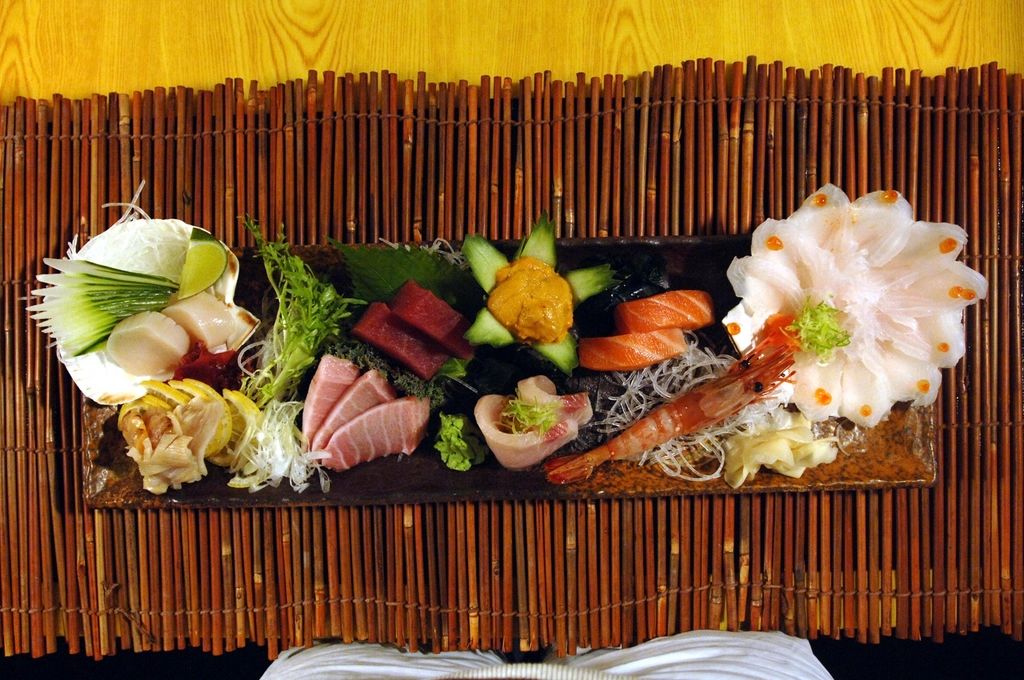
- For Sushi and Sashimi: Opt for a quality shoyu or tamari for dipping. Both complement the delicate flavors of raw fish.
- For Cooking: Usukuchi is excellent for stir-frying or braising, as it enhances flavors without darkening the dish.
- For Marinades: Choose a richer soy sauce like saishikomi, which adds depth to marinated meats and vegetables.
- For Soups and Sauces: Kikkoman or regular shoyu works well due to its balanced taste, perfect for miso soup or noodle dishes.
Tips for Storing Soy Sauce
To maintain the quality and flavor of your soy sauce, consider the following storage tips:
- Store in a cool, dark place away from direct sunlight.
- Once opened, refrigeration may extend its shelf life, but it can generally last at room temperature for several months.
- Seal tightly to prevent oxidation which can alter flavor.
Conclusion
Choosing the right soy sauce can elevate your Japanese cooking experience. By understanding the different types and their uses, you can enhance the flavors of your favorite dishes. Experiment with various soy sauces to find your perfect pairing and enjoy the rich world of Japanese cuisine.