The Art of Plating Japanese Food: Tips & Techniques
Discover essential tips for beautifully plating Japanese dishes, enhancing your dining experience at home.
Introduction to Japanese Plating
Plating is an art that can greatly enhance the enjoyment of Japanese food. Beautiful presentation not only highlights the craftsmanship behind each dish but also reflects the cultural significance of food in Japan. In this article, we'll guide you through essential tips and techniques for plating Japanese cuisine, ensuring every meal is a feast for the eyes as well as the palate.
Choosing the Right Tableware
The first step in creating an aesthetically pleasing presentation is selecting suitable tableware. Here are a few tips:
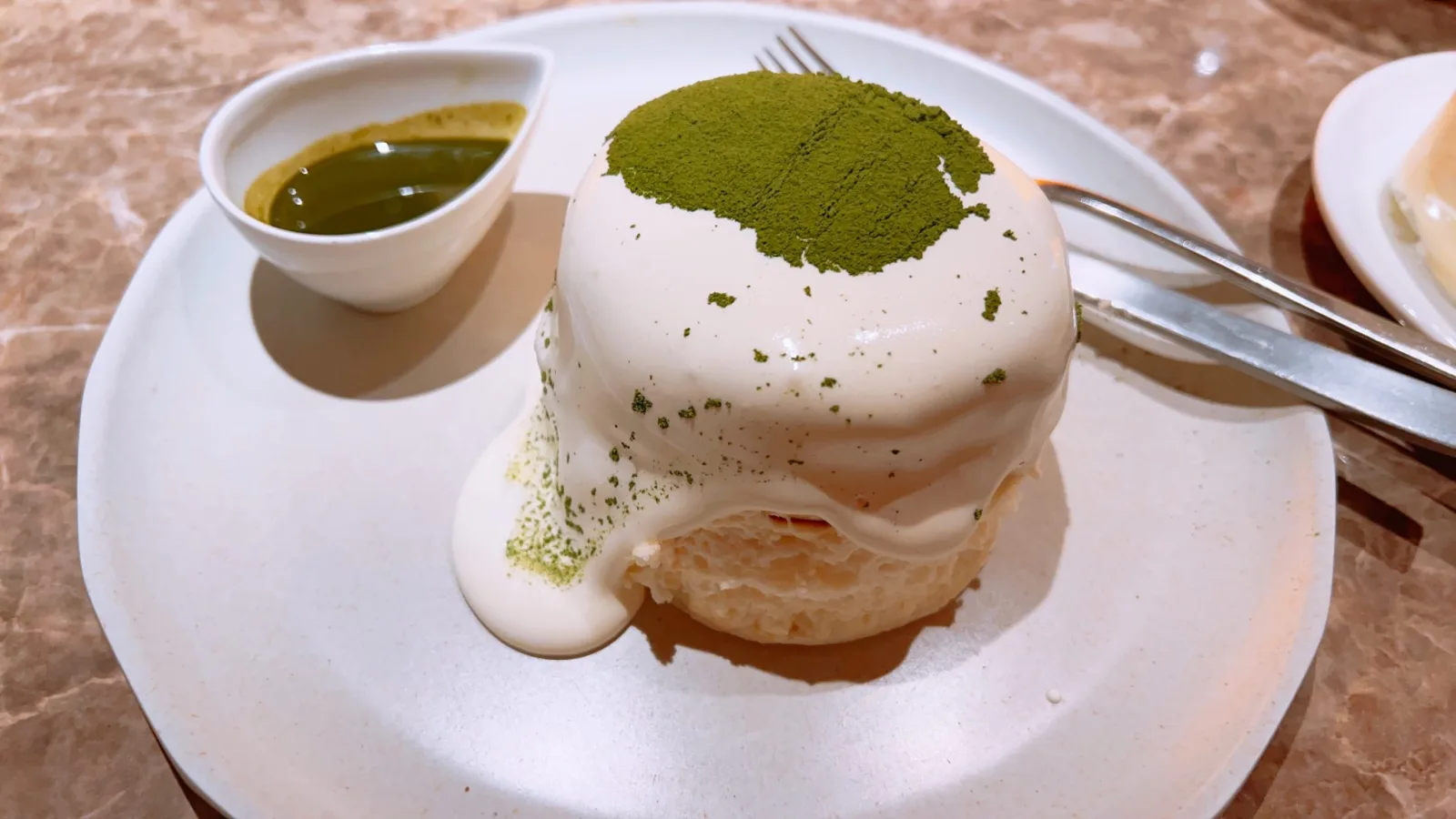
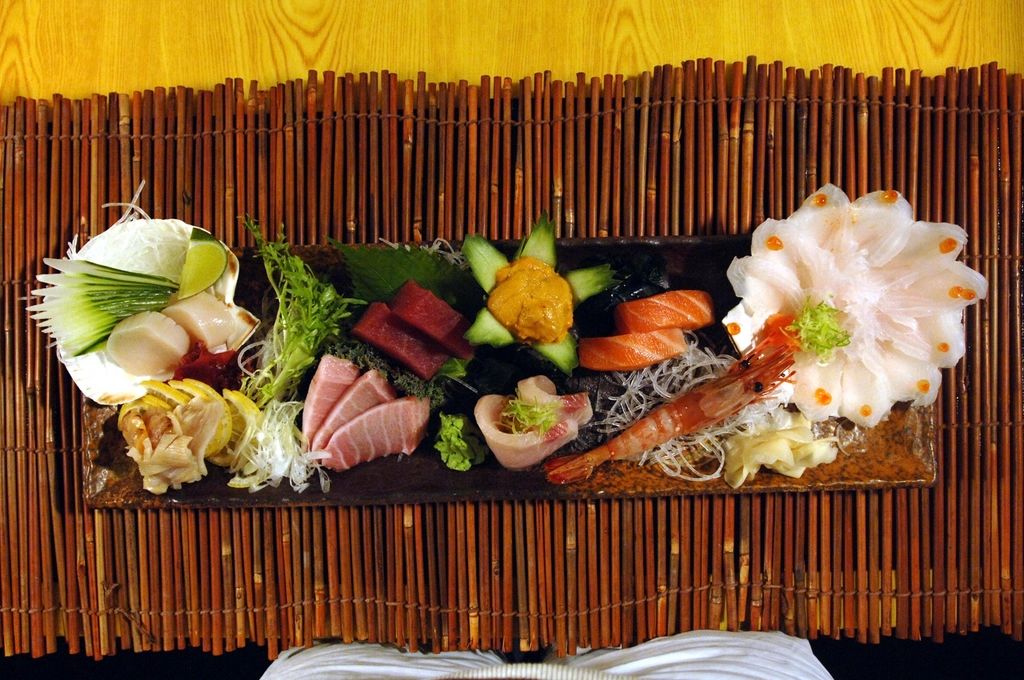
- Color Contrast: Use dishes that contrast with the color of your food. A white plate can make vibrant sushi and sashimi stand out.
- Shapes and Sizes: Consider mixing square and round plates or varying the sizes to create visual interest.
- Traditional Styles: Incorporate traditional Japanese ceramics, such as kutani or Arita porcelain, to give an authentic feel.
Understanding Composition
Composition is vital for creating balance on the plate. Here are some essential principles to consider:
- Rule of Thirds: Divide your plate into thirds; place your main ingredient at one of the intersection points for a visually appealing layout.
- Layering Elements: Layer food items alongside each other rather than stacking them on top to enhance visibility.
- Negative Space: Don't be afraid of empty spaces on your plate; they allow the food to shine and avoid a cluttered look.
Garnishing for Appeal
Garnishes play an essential role in Japanese plating, often elevating a dish’s appeal. Here are some examples of effective garnishes:
- Microgreens: Add fresh microgreens like shiso or cilantro for color and a hint of flavor.
- Edible Flowers: Use delicate edible flowers such as nasturtiums to bring an element of elegance.
- Sesame Seeds: Sprinkling toasted sesame seeds can add texture and a visual pop.
Creating Harmony in Color and Texture
Japanese cuisine often focuses on harmony and balance, so consider the color and texture of your elements. Here are some tips:
- Color Palette: Aim for a harmonious color scheme by balancing vibrant and muted colors.
- Texture Variation: Combine different textures, like crispy tempura alongside smooth miso soup, to engage the palate.
Final Touches and Serving
Before serving, take a moment for the final inspection of your plate. Here’s how to ensure everything looks perfect:
- Clean Edges: Use a clean cloth to wipe any spills or smudges off the plate edges.
- Temperature Consideration: Ensure hot dishes are served hot and cold dishes are chilled, as temperature also affects presentation.
Conclusion
By applying these tips and techniques, you can take your Japanese food plating to the next level, transforming your meals into visual masterpieces. Remember, the aim is to enhance your dining experience, allowing the beauty of the food to shine through while respecting the cultural roots of the cuisine.