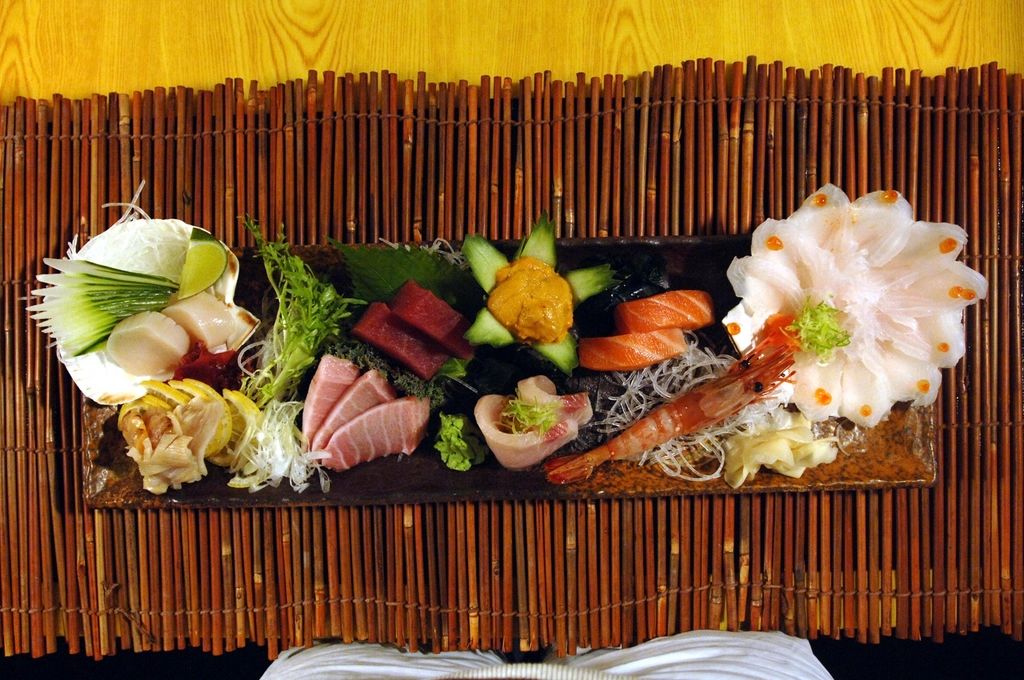
An Essential Guide to Omakase Dining Etiquette
Discover the key etiquettes that enhance your omakase dining experience, ensuring a respectful and enjoyable meal.
Understanding Omakase Etiquette
Omakase, meaning "I'll leave it up to you" in Japanese, is not just a dining experience; it's a journey of flavors and artistry. To truly appreciate it, understanding the etiquette surrounding omakase can elevate your meal and show respect for the chef's craft.
The Importance of Respect
Respect is fundamental in Japanese dining culture. It can be expressed through your behavior, choices, and interactions with the staff.
- Watch Your Language: Keep your conversation at a moderate volume. Avoid being overly loud, as it can disrupt the atmosphere.
- Polite Greetings: A simple "Irasshaimase" (Welcome) when entering the restaurant and a courteous "Arigatou gozaimasu" (Thank you very much) to the chef during your meal goes a long way.
- Respect Personal Space: Avoid hovering over the sushi counter or interrupting the chef while they work; this can be perceived as disrespectful.
Seating Arrangements
The seating arrangement in an omakase setting often reflects the hierarchy and structure of traditional Japanese dining. Here’s what you should know:
- Counter vs. Table: If you're seated at the counter, expect a more intimate experience as the chef prepares your meal before your eyes.
- Order of Seating: Regular patrons may be seated first; as a newcomer, be patient and respectful, waiting for your turn.
Eating Etiquette
As you enjoy the offerings placed before you, adhering to specific eating practices will enhance your experience:
- Thank the Chef: Acknowledge each dish with a simple “thanks” before taking a bite. It shows appreciation for the chef's work.
- Hand vs. Chopsticks: For certain sushi, it’s acceptable (and sometimes preferred) to eat with your hands. Remember to keep your hands clean and dry.
- One Bite Rule: Enjoy each piece of sushi as it's served, and eat it in one bite if possible. This preserves the integrity of the flavors.
Drinking Etiquette
Pairing beverages with your meal is an essential part of the omakase experience. Here are some tips:
- Sake Order: When ordering sake, inquire about the recommendations from the chef or staff; they can guide you based on your menu.
- Pouring Sake: When drinking with others, always pour for each other; it's a sign of friendship and respect.
- Limit Alcohol: Enjoy your drinks, but maintain control. Getting too inebriated can detract from the experience and respect you owe to the chef.
Post-Meal Etiquette
Once your meal concludes, some simple gestures can leave a lasting impression:
- Thank You Again: Express your gratitude to the chef and staff for their dedication and craftsmanship, ideally in both English and Japanese if you can.
- Feedback: A compliment or feedback about your meal is appreciated and lets the chef know their efforts were well received.
Conclusion
Omakase dining is a unique culinary experience that thrives on respect, appreciation, and the joy of fine food. By following these etiquette tips, you can enhance your experience and create a memorable connection with the culinary artistry on your plate. The heartfelt nature of omakase makes it not just about the meal itself, but the entire experience surrounding it.