How to use Japanese chopsticks properly: tips for avoiding common mistakes
Learn the right way to hold and use chopsticks in Japanese dining, plus what to avoid at the table.
At a Japanese table, chopsticks are an everyday tool, but there are plenty of small customs that trip people up. I thought I was doing fine until a kind friend pointed out I was making a classic mistake with my chopsticks, and once you see it, you don’t forget.
Getting the grip right
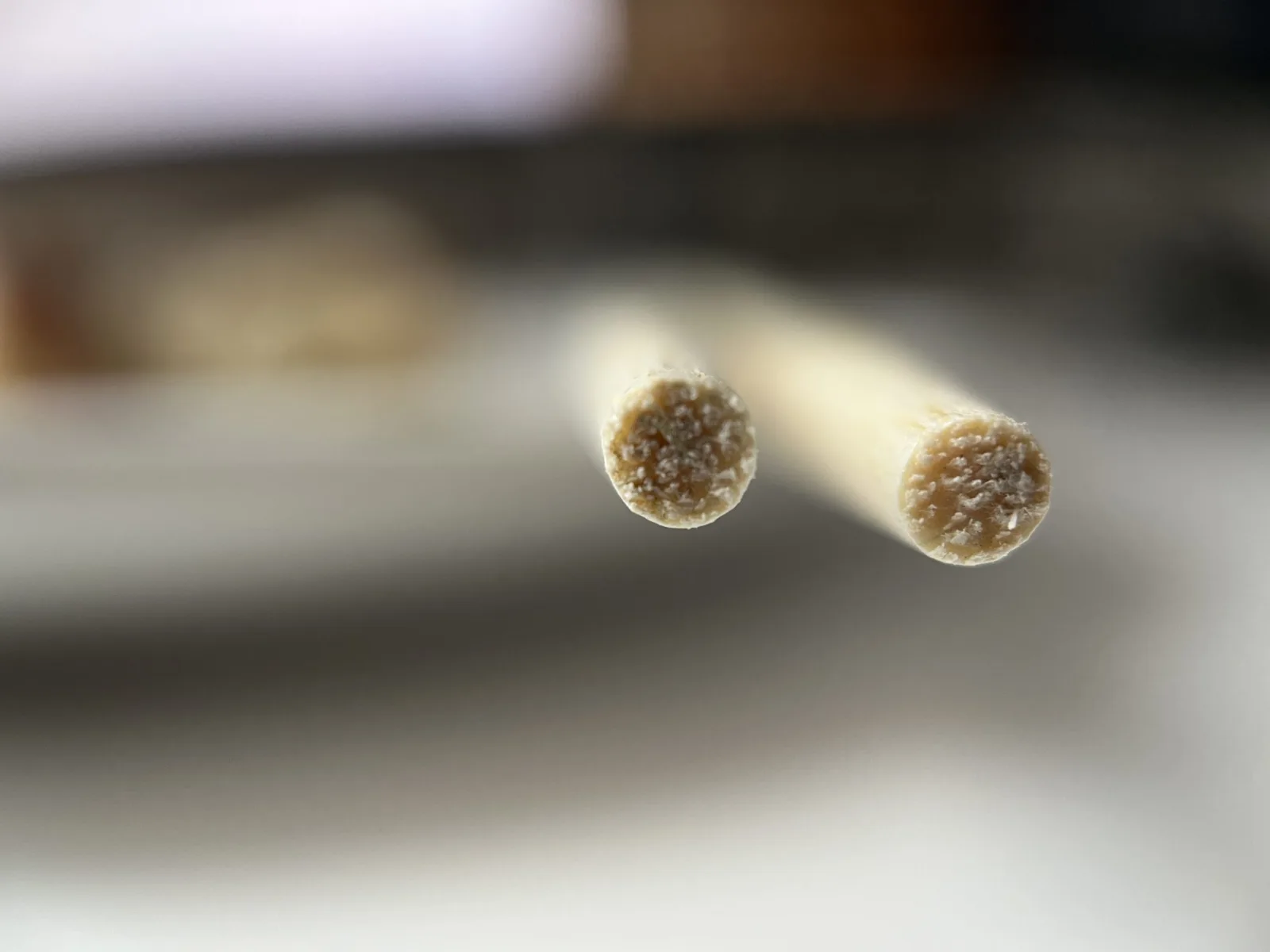
It starts with how you hold them. Japanese chopsticks are often a bit shorter than the Chinese style, and they have a pointed end. That makes them better for picking up small or slippery things, but only if you hold them the right way.
Rest the bottom chopstick in the web between your thumb and index finger, and let it sit on your ring finger. Don’t move this one much. The top chopstick sits like a pencil between your thumb, index and middle finger, and this is the one you move.
My mistake? I used to move both chopsticks at once, which made them cross at the tip and lose grip. Only the top one should move. If your hand gets tired, check if you’re squeezing too much. A light grip is usually enough.
What not to do at the table
Japanese etiquette has a list of what’s called kiraizashithings to avoid with your chopsticks.
- Don’t stick your chopsticks upright in a bowl of rice. That’s for funerals only and is seen as unlucky at the table.
- Don’t pass food from your chopsticks to someone else’s. That also resembles part of a funeral ritual. If you want to share, use the opposite ends or serving chopsticks.
- Never point with your chopsticks or wave them around as you talk.
- Don’t spear food with your chopsticks. It’s tempting with slippery tofu, but it looks clumsy.
- Don’t lick or suck on your chopsticks. Not polite and not good for wooden ones.
- Don’t dig around in shared dishes with your chopsticks, looking for your favorite piece. Take from the top.
Some of these rules surprised me at first, but after a while they make sense. Japanese dining is about harmony and not drawing too much attention to yourself at the table.
Using chopstick rests and wrappers
You’ll often see a small ceramic rest, called a hashiokibeside your plate. When you’re not using your chopsticks, place them on the rest with the tips pointing left. If there’s no rest, you can fold the paper wrapper into a quick triangle to make your own. Just don’t leave your chopsticks balanced on top of a bowl or stuck in food.
If chopsticks come in a paper sleeve, open it carefully from the thick end, not the thin one. The thin side is meant to touch the food.
Extra tips for picking up tricky foods
Japanese meals often come with foods that test your chopstick skills. Slippery noodles, small beans, or sticky rice can all be tough. For noodles, pinch gently and let some drop back in the bowl if you grab too much. For small beans, tap them to the edge of the bowl and pick up against the side. For sticky rice, don’t squeeze or the grains get crushed. Just press gently and lift.
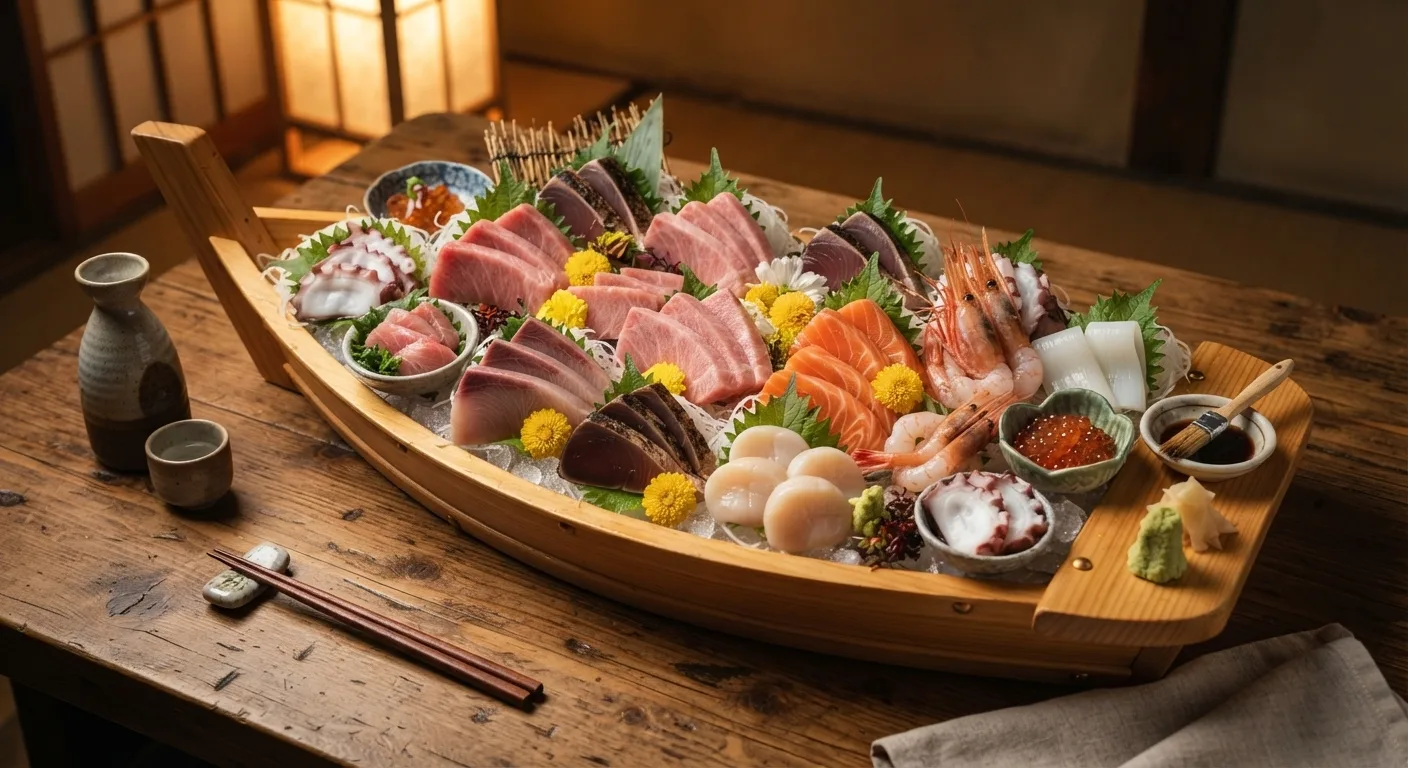
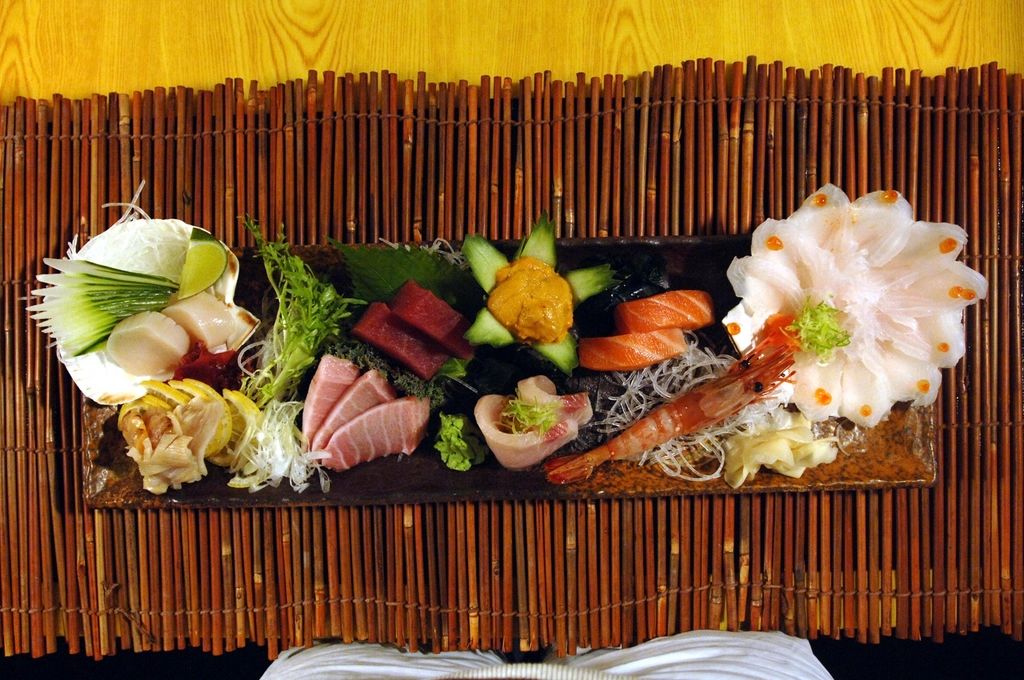
I once watched a chef eating sashimi, and he barely raised his hand, the chopsticks did all the work. He made it look easy, but the secret was smooth, small motions and a steady hand.
What to do if you drop them
If you drop your chopsticks, just ask for a new pair or pick them up if you’re at home. In Japan, some places have chopstick stands or a box for extras. Don’t panic or joke about it, everyone drops them now and then. Just try again and keep the tips clean.
Chopsticks aren’t just utensils in Japanese dining. Get them right, and you fit in anywhere from a ramen shop to a kaiseki dinner.