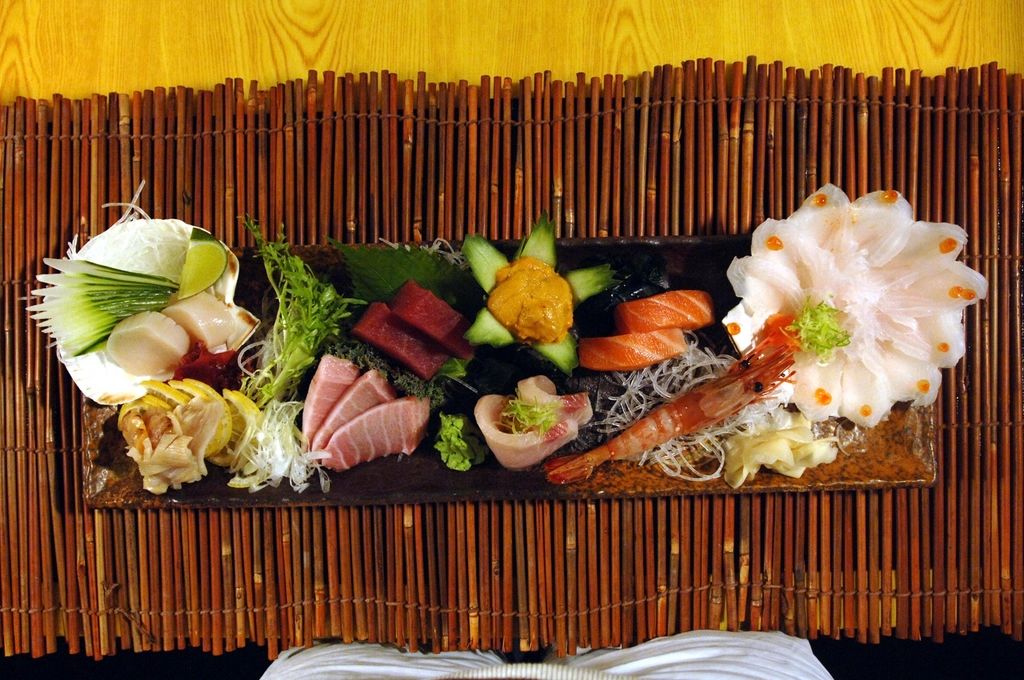
How to order omakase with allergies or dietary restrictions

Worried about allergies or dietary needs at omakase? Learn real strategies for enjoying a tailored meal without stress.
Omakase means trusting the chef, but it can feel risky when you have allergies or dietary restrictions. I used to skip it for exactly this reason. Then, after some clumsy experiences and a few awkward dinners, I picked up ways to make omakase work, even if you can't eat everything handed over the counter.
Start with clear communication
The biggest mistake is saying nothing and hoping for the best. Most omakase chefs are happy to adjust, but only if they know what you can't eat. That means calling ahead, not just mentioning it when you sit down. Some restaurants prep ingredients days in advance and can't swap things at the last minute.
Give a simple, specific list. Say, "I can't eat shellfish or sesame," not "I have some allergies." If you’re vegetarian or can’t eat raw fish, state that too. Never assume soy sauce is safe, there’s often wheat in it, so mention gluten if you can’t eat it.
Ask what’s possible
Some chefs can make big changes, others can’t. Ask when you book if they can do omakase your way. I’ve had chefs offer an all-cooked menu, or swap in more vegetable dishes. Others will say it’s hard if your list is long. In that case, decide if you’re comfortable with the limited options or want to try another place.
If you’re ordering a delivered omakase box or kit, double check the fine print or ingredient list. If in doubt, send an email or message first. Most places would rather sort it out early than rush to fix it after delivery.
What to watch for at the meal
- Repeat your allergy or restriction when you arrive. Chefs see a lot of faces each night. Remind them, even if you’ve called ahead.
- If you see a course you can’t eat, don’t be shy, say so right away. Good chefs will swap it out or skip it.
- Watch for cross-contamination. If you’re highly sensitive, let the staff know you need clean tools or surfaces. Most places are careful, but it never hurts to mention.
- If you’re not sure what’s in a sauce or garnish, ask. A lot of omakase sauces have hidden ingredients like miso (soy and sometimes gluten), yuzu kosho (contains chili), or bonito flakes (fish).
What chefs wish you’d tell them
Some chefs have told me they actually like the challenge of cooking for people with restrictions. But they need specifics. “No fish” is broad: do you eat shellfish, roe, cooked fish, or just avoid raw? “Vegetarian” can mean different things, do you eat eggs or dairy? “No nuts” can mean peanut, tree nut, or both.
Clarify if your restriction is medical, a preference, or something else. Chefs take allergies very seriously, but knowing how severe it is helps them plan. If you carry an EpiPen, let them know.
Tips for at-home omakase kits
If you’re building your own omakase at home, it’s easier to control ingredients. Watch out for things like wasabi and pickled ginger, which sometimes have additives. Soy sauce in little packets can have wheat or other allergens. When buying fish or kits, ask for full ingredient info if it’s not listed. Making your own rice lets you skip vinegar if you can’t have it, or swap in low-salt or sugar-free seasonings.
Good substitutions
- Vegetables: Chefs often use seasonal veggies as sushi or small plates. Shiso, pickled daikon, and cucumber are common swaps.
- Egg: Tamago (sweet omelet) is a good stand-in for those avoiding fish or meat.
- Cooked items: Grilled fish, seared beef, or tofu can fill in for raw dishes.
- Seaweed: Nori and kombu are usually safe but check for added ingredients if you have seaweed allergies (not common, but possible).
A little planning makes omakase possible for nearly everyone. I’ve seen people with full celiac, vegan diets, or multiple allergies enjoy a night out, sometimes with a better meal than the rest of the table. The chef’s focus is still on hospitality and surprise, just with a menu that works for you. If they can’t do it, they’ll tell you up front. Most times, they’ll rise to the occasion.