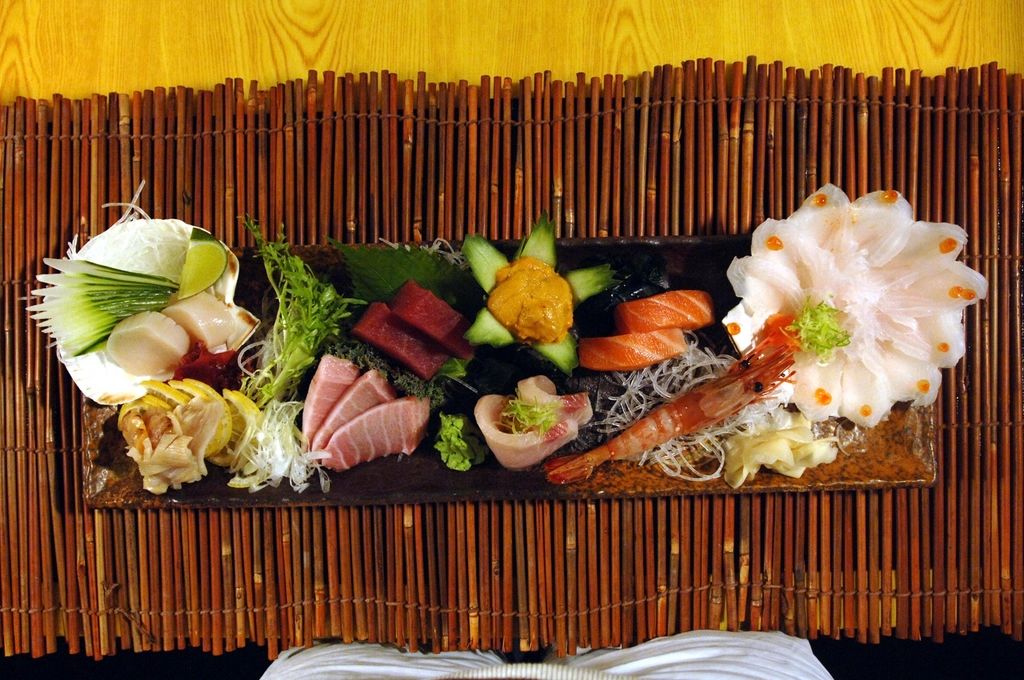
Why some pieces in omakase are meant to be eaten by hand
Ever wondered why sushi chefs serve some omakase pieces directly to your hand? Here's a look at the tradition, how it works, and what not to do.
At a real omakase counter, sometimes the chef will lean forward and place a piece of sushi directly in your hand. If it's your first time, this can catch you off guard. Most people expect to use chopsticks. Some might even think it's rude to eat with their fingers. But eating sushi by hand, especially nigiri, is part of the tradition and not a mistake.
What to expect at the counter
Chefs might tell you "tezukuri" or simply gesture for your palm. When this happens, they're serving a piece that's meant to be eaten immediately. The sushi rice is soft, the fish is delicate, and the chef wants you to enjoy it at its very best. The moment the sushi hits your hand, the clock starts ticking. Hands are warmer than a plate, and the rice can soften even more if you wait too long.
Usually, you'll eat nigiri (fish over rice) this way. Rolls and sashimi are almost always eaten with chopsticks. If you're not sure, just watch how the chef serves it. If they place it on your plate, chopsticks are fine. If they put it in your hand, use your fingers.
Why do it by hand?
Eating sushi by hand gives you better control. The pieces are often bite-sized, designed to be picked up gently so the rice doesn't fall apart. Chopsticks can squeeze or break the sushi, especially if the rice is very loosely packed, as it should be in good omakase. Your fingers help you keep the shape intact.
There's also a bit of theater to it. In some top omakase spots, the chef will shape a piece, add a delicate brush of sauce, then present it directly to you. It's a quiet way of saying, "Eat this now. It's at its peak." The connection between chef and diner is more direct. Some say the transfer of warmth from the chef's hand to yours is part of the experience.
Common mistakes to avoid
- Don't squeeze the sushi. Let it rest on your fingers and pop it in your mouth in one bite.
- Don't dip the top of the fish in soy sauce. If you must add soy, gently dab the fish side (not the rice) for just a second. But in omakase, most pieces are already seasoned.
- Don't leave the sushi sitting in your hand. Eat it right away so the rice keeps its texture.
- Don't wipe your fingers on the napkin after every piece. Use the provided wet towel before starting the meal and, if needed, between courses.
- Don't be afraid to eat with your hands, even if others at your table use chopsticks. The chef is guiding you.
The tradition behind it
Historically, sushi started as street food in Edo-era Tokyo. People ate it standing up, with their fingers. The move to high-end counters came later, but the custom stuck around. Some chefs say the warmth of your hand brings the flavors together for that brief moment before you eat.
Some omakase courses include pieces too delicate for chopsticks. A mound of uni (sea urchin) or fish with a sauce might collapse if picked up with sticks. Eating by hand is practical, not just traditional.
What happens next
After a course served by hand, watch for the chef's cues. Sometimes they'll switch back to plate service. If you're unsure, ask. Most chefs are happy to explain, and some even enjoy sharing the reason behind each serving style. You'll find that shifting between hand and chopsticks becomes second nature after a few courses.