Why the First Piece Is Always Hirame
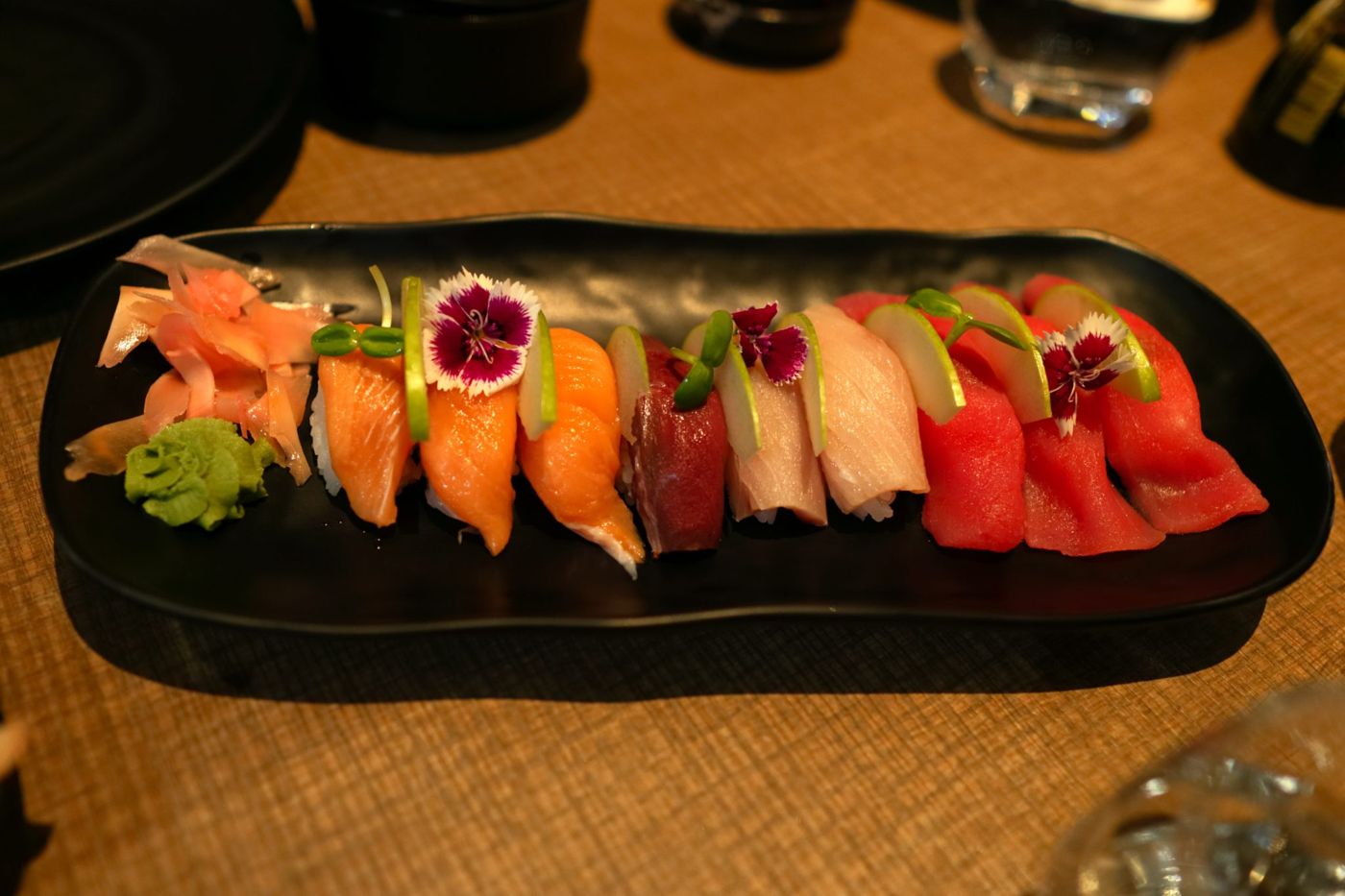
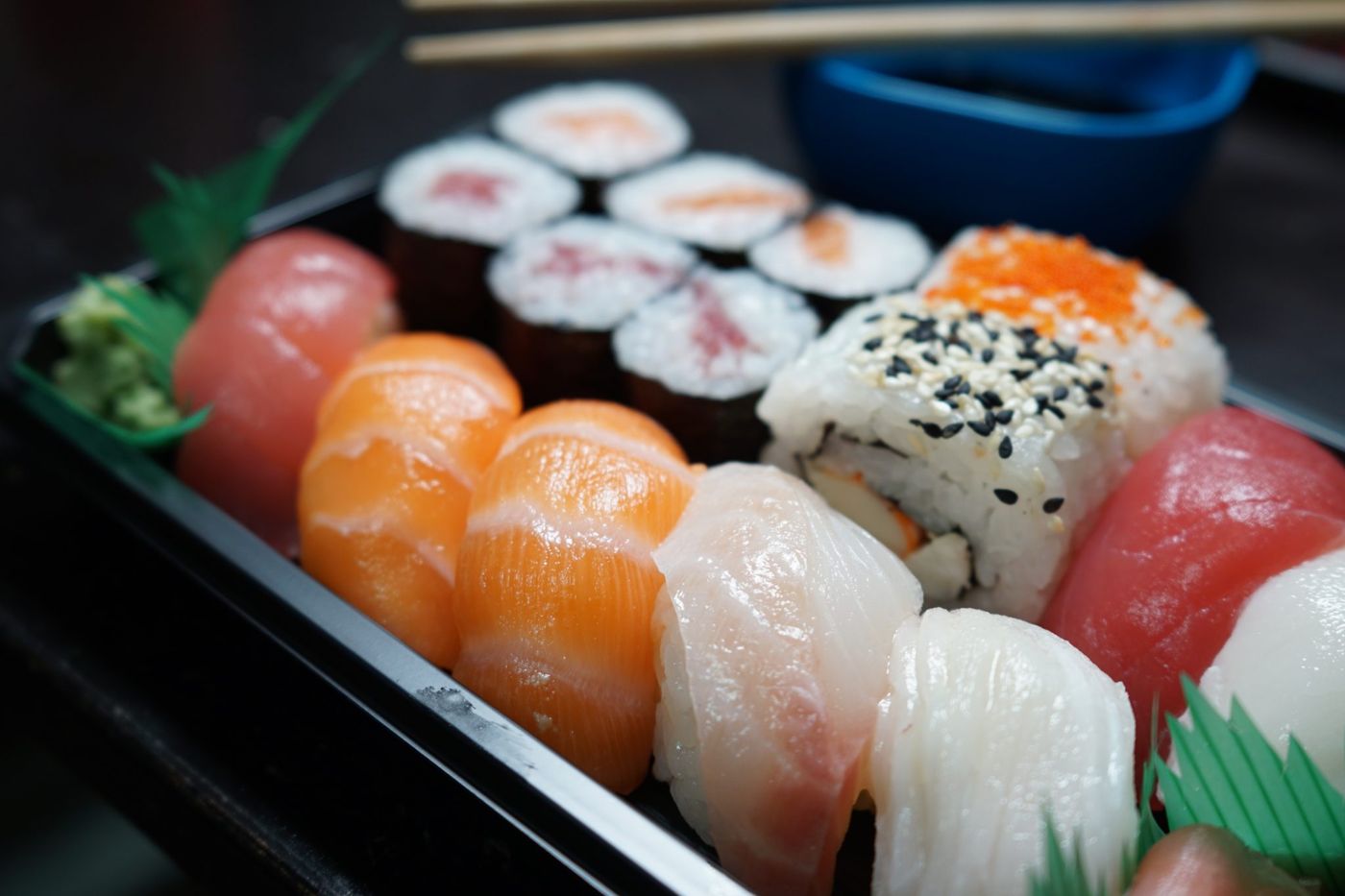
Most counters open on a white fish, and the reason has more to do with your palate than with tradition.
Most counters open on a white fish, and the reason has more to do with your palate than with tradition.
Cured, aged and brushed with nikiri: what the old Tokyo style does to fish, and why it still matters.
Shari is where a sushi chef shows their hand: the vinegar, the temperature and the grip.
Chopsticks or fingers, fish side down or rice side down -- the small rules, and which ones nobody minds.
An evening at the counter from the first cup of tea to the last slice of tamago.
Sanma, modori-gatsuo and the first of the winter yellowtail: what the menu changes to as the nights draw in.
One is a sequence of courses built around the season, the other a conversation with one chef.
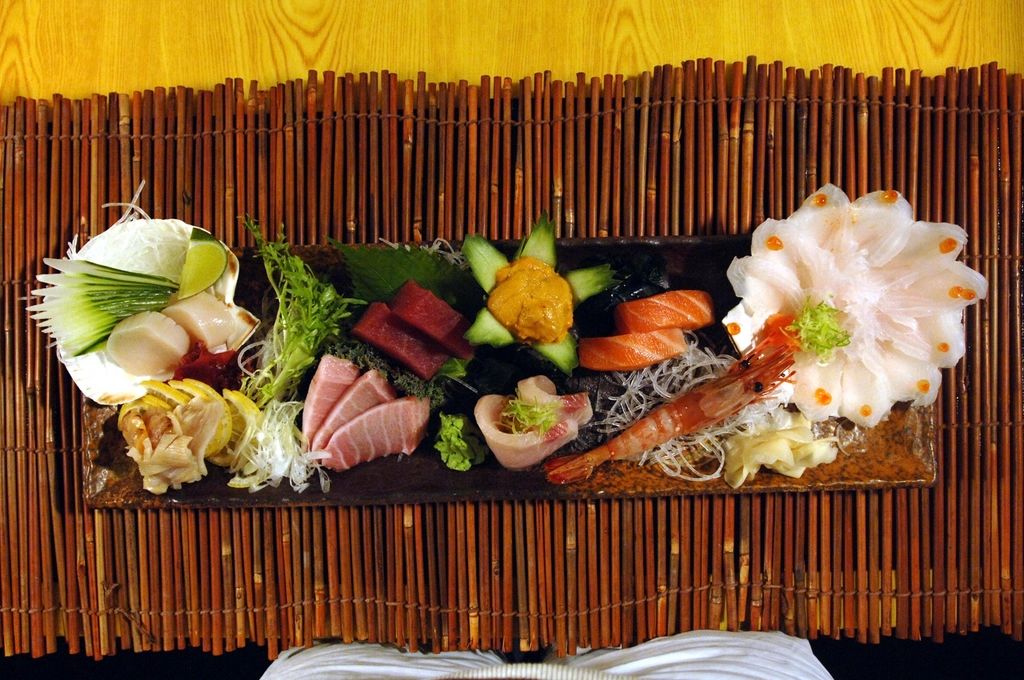
The second course of a kaiseki dinner sets out the season on a single tray.
Kigo, the season words of haiku, turn up on the menu card too. A short glossary.
Why a kaiseki kitchen chooses the bowl before it chooses what goes in it.
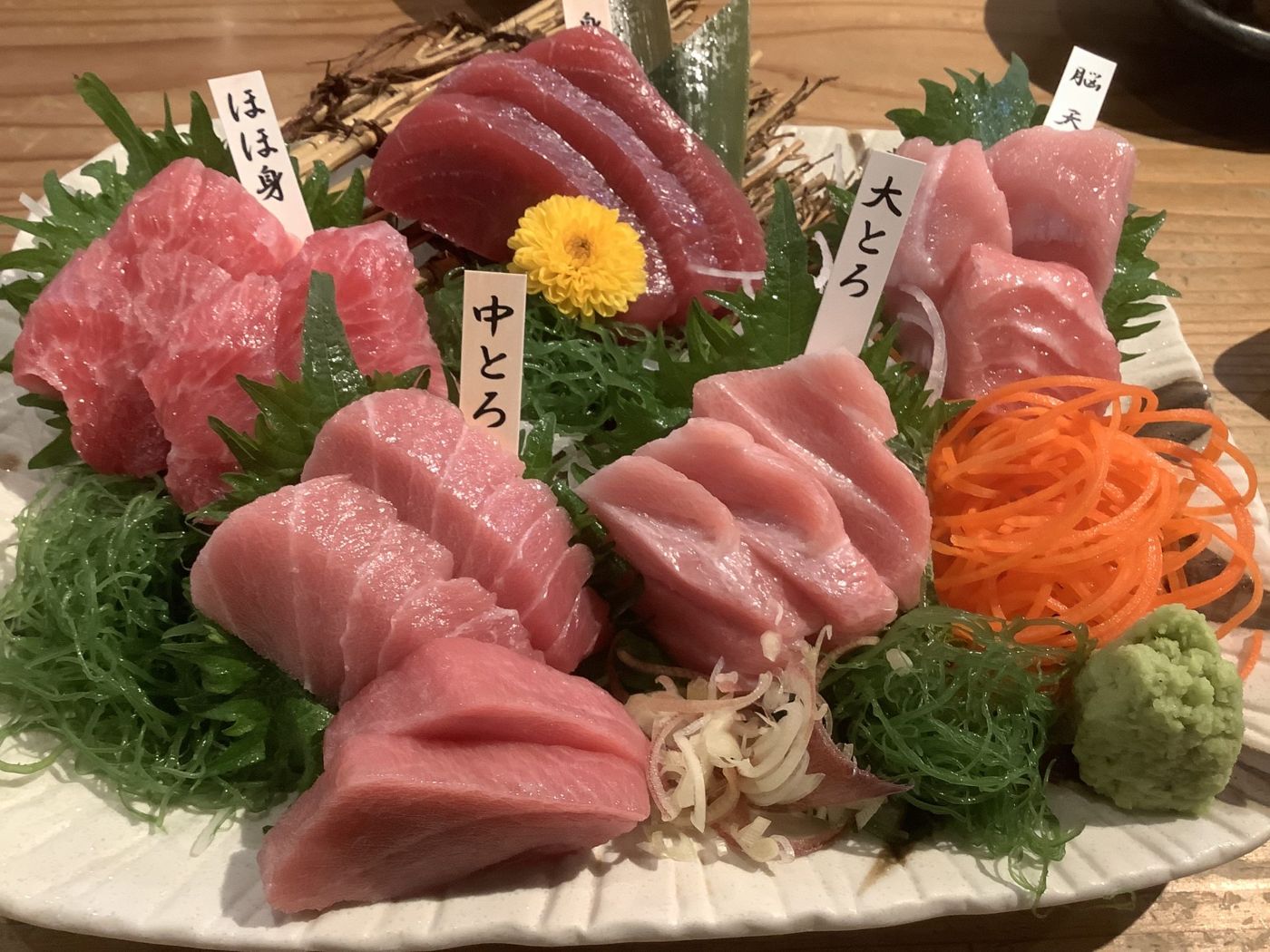
Three cuts of one fish, three different meals. Where each comes from and how the chef serves it.
Fresh is not always best. A few days of careful ageing gives fish its depth and its texture.